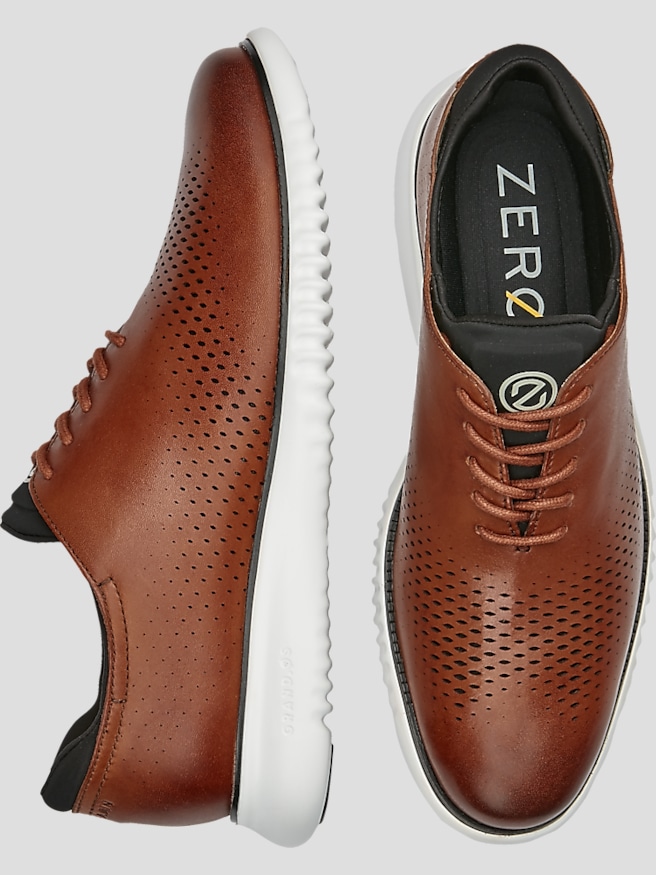
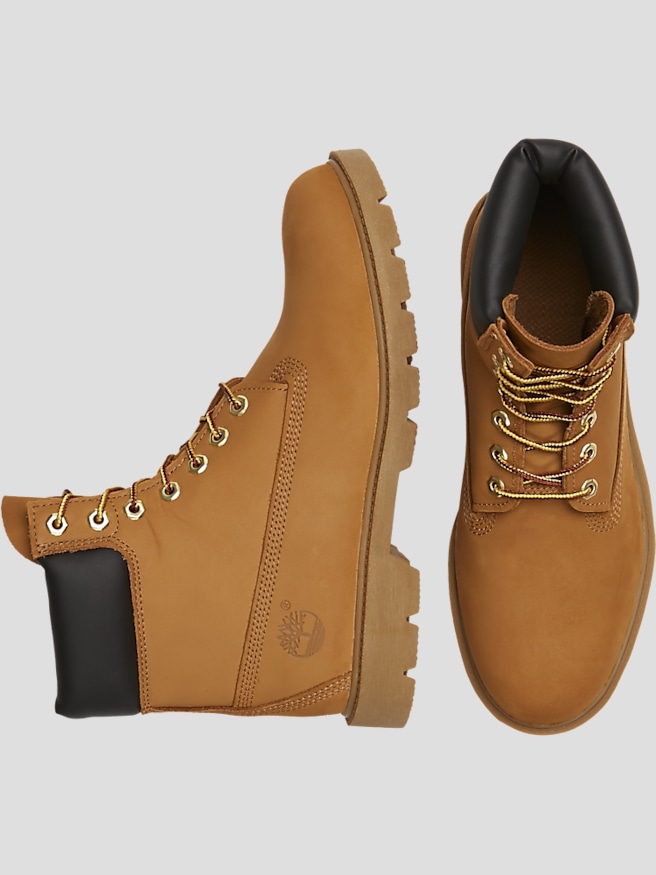
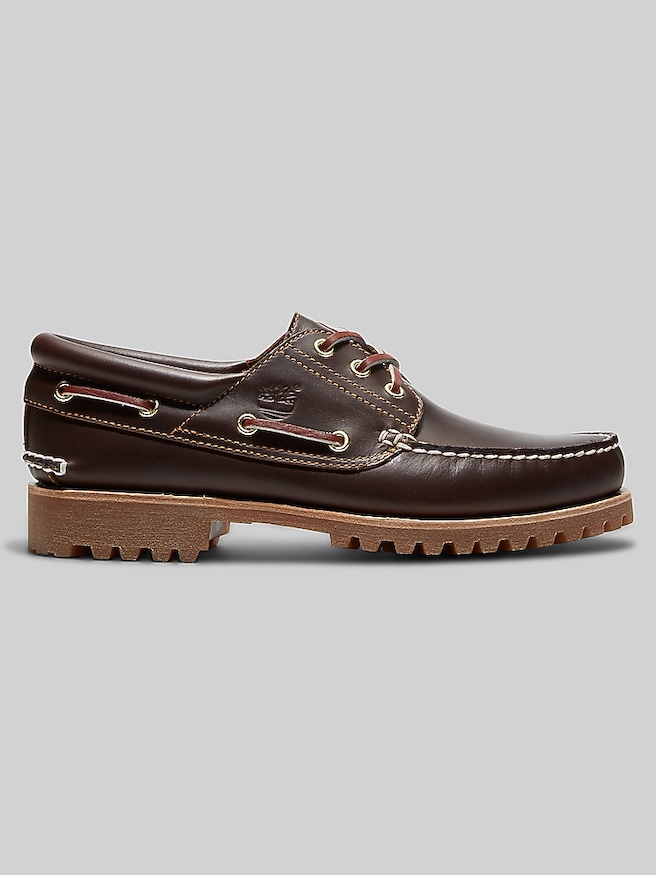
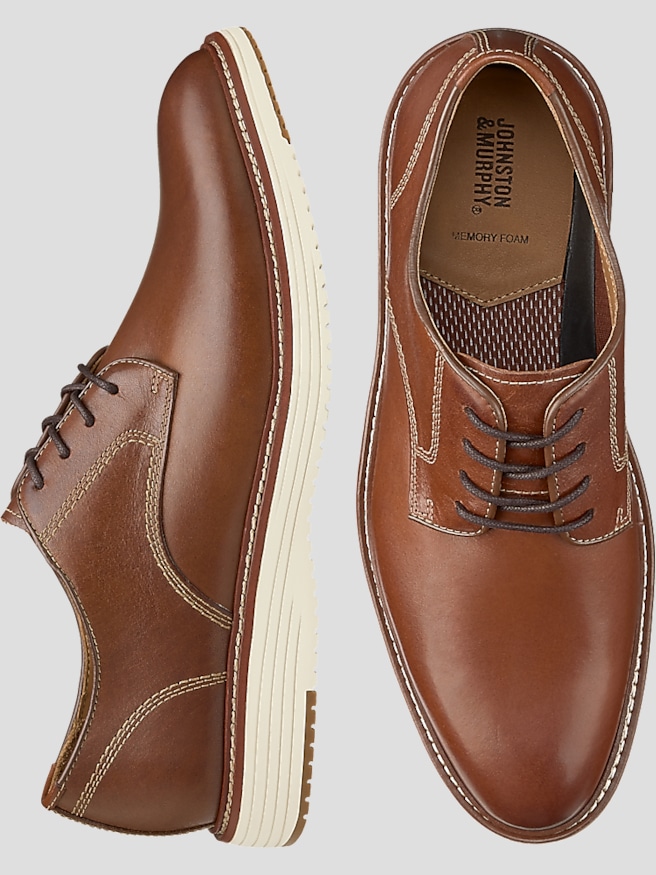
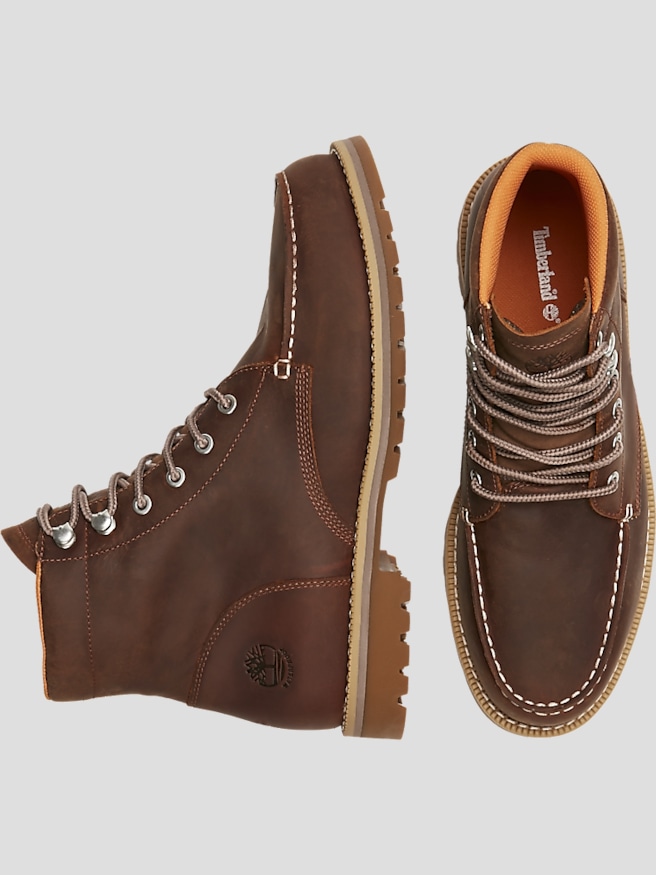
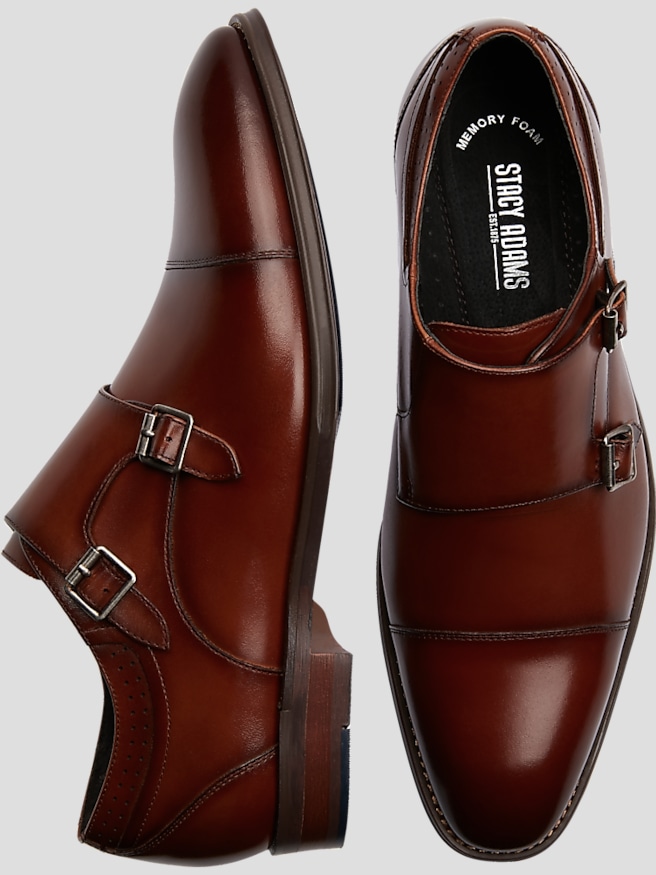
Modern design shoes bring clean lines, considered proportions, and updated construction to everyday footwear. The look can be quiet and streamlined, with smooth uppers and minimal stitching, or more expressive, with sculpted soles, contrasting textures, and an exaggerated profile. What connects these approaches is a deliberate balance between shape and function: a shoe should look intentional without feeling disconnected from the way it will be worn. For men building a versatile wardrobe, contemporary footwear can bridge the space between traditional dress shoes and athletic sneakers. A low-profile leather silhouette looks polished beneath tailored trousers, while a more substantial sole can balance relaxed chinos or straight-leg denim. Within the broader world of Stylish Shoes, modern design stands out through restrained details and thoughtful updates rather than decoration alone. A tonal lace, a subtly squared toe, or a neat seam along the upper can give a familiar shape a fresh identity. Color also affects the impression. Black often emphasizes the outline of a shoe, brown adds depth to leather, and cream or gray can soften the contrast against casual clothing. These choices matter in ordinary settings: arriving at an office with a flexible dress code, heading to dinner after work, or attending a celebration where polished separates feel more appropriate than a full suit. The strongest combinations give the shoe enough visual space to register without making it compete with every other part of the outfit. A trouser hem that meets the upper neatly keeps a streamlined design visible, while a wider leg usually has enough volume to sit comfortably above a thicker sole. Modern footwear does not have to look futuristic or draw attention from across a room. Often, its appeal comes from making a familiar outfit feel sharper through a cleaner shape, a more balanced profile, or a texture that rewards a closer look.
Materials give modern design shoes much of their character, and they influence how the footwear feels, ages, and responds to regular use. Smooth leather creates a defined surface that can complement tailoring, although its softness and flexibility vary with the hide, finish, and construction. Suede has a softer visual effect, bringing depth to simple shapes without relying on shiny hardware or bold patterns. Textile and mesh uppers can create a lighter-looking profile and may allow more airflow, depending on the weave, lining, and reinforcement beneath them. Synthetic materials offer a wide range of finishes, but appearance alone does not reveal how breathable or durable a shoe will be. The complete construction matters more than any single material name. Linings affect the feel against the foot, padding changes the pressure around the collar, and the outsole influences flexibility, weight, and traction. Rubber compounds vary considerably, so a rubber sole should not automatically be treated as slip-resistant. Similarly, a thick sole may look cushioned without providing the support that a particular foot needs. Fit deserves as much attention as styling, especially for footwear expected to carry someone from a commute through several hours of meetings or an evening reception. Toes need room to rest naturally without pressing against the front or sides, and the widest part of the foot should align comfortably with the shoe’s forefoot. A secure heel helps limit rubbing, while the upper should hold the foot without creating concentrated pressure over the instep. The same labeled size can feel noticeably unlike another because each shoe shape has its own proportions. Trying footwear with the socks intended for regular wear gives a more useful impression than judging fit through appearance alone. A brief walk can reveal heel movement, pressure at the little toe, or an awkward bending point that is easy to miss while seated. Leather may soften with use, but persistent pinching or cramped toes should not be dismissed as an inevitable break-in stage. For anyone who uses an orthotic, adequate interior depth and a removable footbed may be important considerations, provided the shoe’s construction accommodates them.
Intended use helps separate an appealing design from a dependable wardrobe choice. An understated lace-up can suit a workplace where neat trousers and a collared shirt are standard, while a clean sneaker profile may work well in a more relaxed office or for a casual dinner. Loafers offer an uncluttered outline with tailored separates, though their slip-on construction makes a secure fit especially important. For weddings, interviews, and other occasions with a stated dress code, the level of formality should take priority over novelty; a streamlined dress shoe generally blends with traditional tailoring more naturally than an athletic-looking sole. Durability depends on how materials and construction meet those everyday demands. Even stitching, securely finished edges, and a well-attached outsole are useful details to examine, although none alone guarantees a particular lifespan. Care is equally practical. Dust and grit can abrade surfaces, so gentle cleaning after wear helps preserve the finish. Smooth leather generally benefits from care products suited to its finish, while suede calls for an appropriate brush and a treatment specifically approved for that material. Textile footwear should be cleaned according to its care instructions rather than assumed safe for a washing machine. Allowing shoes to dry naturally away from direct heat helps protect materials and adhesives, and rotating pairs gives the interiors time to air out between wears. Properly sized shoe trees can help suitable leather footwear retain its shape without stretching it. Recycled content or other environmental attributes should be assessed through the stated material details, not inferred from a minimalist appearance. Thoughtfully chosen footwear can also be a useful gift for a graduate entering an office role or someone refining a personal wardrobe, especially when size, fit preferences, and usual dress habits are already known. Ultimately, the lasting appeal of modern design shoes lies in that connection between visual clarity and real use: footwear that complements the clothes, feels appropriate to the occasion, and earns its place through repeated wear.