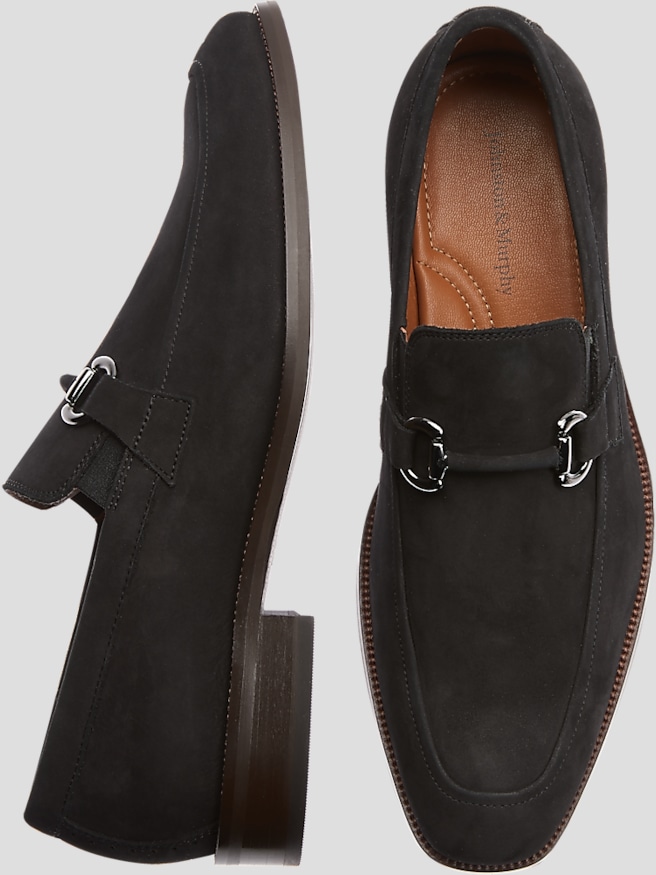
Moccasin toe shoes feature a visible seam, often shaped like a U, that outlines the top of the forefoot and gives the shoe its distinctive apron-like appearance. Sometimes called moc toe shoes, they take their visual character from traditional moccasin footwear, though the toe treatment alone does not identify how a shoe is constructed. A stitched apron can appear on loafers, lace-up shoes, and boots, with each silhouette offering a distinct balance of polish and everyday ease. On a streamlined leather loafer, the seam adds quiet texture without interrupting the clean profile. On a more substantial lace-up, pronounced stitching and a thicker sole create a sturdier, more casual impression. The overall effect depends on details such as the shape of the toe, the thickness of the sole, the finish of the leather, and the contrast between the thread and upper. Tonal stitching tends to look understated, while lighter stitching makes the moccasin outline more noticeable. These details make moccasin toe shoes useful for wardrobes that move between office settings, dinners, and relaxed gatherings. A smooth, low-profile pair can complement chinos and a tucked-in button-down, while a fuller shape works naturally with straight-leg jeans or textured trousers. Brown shades often emphasize the style’s easygoing character; black can give the same toe detail a sharper appearance. Neither color determines formality on its own, since a heavy sole or prominent stitching will still read more casually than a slim, refined shape. For outfits that call for a higher silhouette, Moccasin Boots extend the same recognizable toe detail above the ankle. Across these shapes, the appeal is the combination of a defined outline and visible craftsmanship. The seam supplies enough interest to make a simple outfit feel considered without relying on decorative hardware or a high-shine finish. For someone who prefers familiar clothing with a little texture, that balance can be especially appealing.
Materials and construction influence how moccasin toe shoes feel, how they age, and where they fit into a daily routine. Smooth leather offers a relatively clean surface that can be brushed, conditioned, and polished according to its finish. Full-grain leather can develop creases and a patina with wear, while suede has a softer, matte appearance that brings a more relaxed texture to trousers and denim. Neither material guarantees comfort or durability by itself. Leather thickness, lining, stitching, sole attachment, and the quality of the footbed all contribute to the experience of wearing a shoe. A leather lining may feel smooth against a sock, while a textile lining can create a softer interior; the best choice depends on the complete construction and personal preference. Sole design matters just as much. A slimmer sole keeps the profile neat, while a thicker rubber sole adds visual weight and may provide cushioning or grip, depending on its compound and tread. A moccasin toe seam is a style feature, not evidence that a shoe is waterproof, slip-resistant, or suitable for a workplace with protective footwear requirements. Fit also deserves attention beyond the outline of the toe. A broad-looking apron does not necessarily mean the interior is wide, and a rounded shape does not guarantee extra depth. Toes should have room to rest naturally without pressure across the top or sides, while the heel should feel secure without rubbing. Lace-up styles allow adjustment over the instep, which can be helpful when fine-tuning the fit. Slip-on styles depend more heavily on the relationship between heel width, instep height, and the shoe’s shape. Trying shoes with the socks intended for regular wear gives a more useful sense of fit than trying them with an unusually thin or thick pair. Checking both feet and taking a few steps can reveal pressure points that are easy to miss while seated. Leather may soften, but persistent pinching or cramped toes should not be treated as an expected part of breaking shoes in.
Consistent care helps preserve the details that make moccasin toe shoes distinctive, especially the raised seam where dust can collect. A soft brush can lift surface debris from the stitching and the edge of the sole before it becomes embedded. Smooth leather generally benefits from a cleaner and conditioner suited to its finish, used sparingly and tested on an inconspicuous area first. Polish can refresh color and appearance when appropriate, but heavy buildup around the apron stitching can obscure its texture. Suede calls for its own brush and compatible care products rather than ordinary leather polish. Any protectant should be chosen for the exact material, since treatments can alter color or texture and do not make every shoe waterproof. If shoes become damp, allowing them to dry naturally away from direct heat helps protect the uppers and construction. Shoe trees can help maintain shape between wears, and alternating pairs gives interiors time to air out. Outsole wear, loose stitching, and worn heel edges are worth addressing before they begin to affect comfort or stability. Some constructions allow professional resoling, while others are better suited to more limited repairs; the toe style alone does not determine repairability. With sensible care, this category can serve a range of routines, from a desk-based workday followed by dinner to a weekend gathering where sneakers feel too casual. The right balance of sole weight, leather finish, and toe shape makes the shoes feel connected to the clothes already in regular rotation. Moccasin toe shoes can also make a thoughtful birthday or graduation gift for someone who appreciates practical wardrobe additions, provided size and fit preferences are understood. Familiar details offer useful clues: a preference for slip-ons, a habit of wearing substantial socks, or a wardrobe built around dark denim and chinos. Choosing around those everyday habits gives the distinctive stitched toe a purpose beyond appearance and makes the shoes easier to incorporate into regular wear.