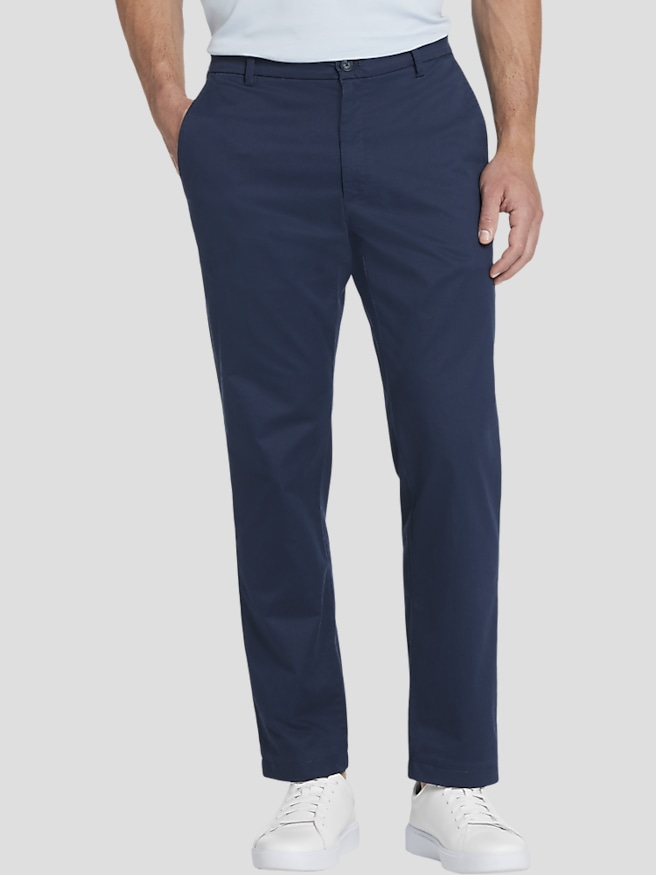
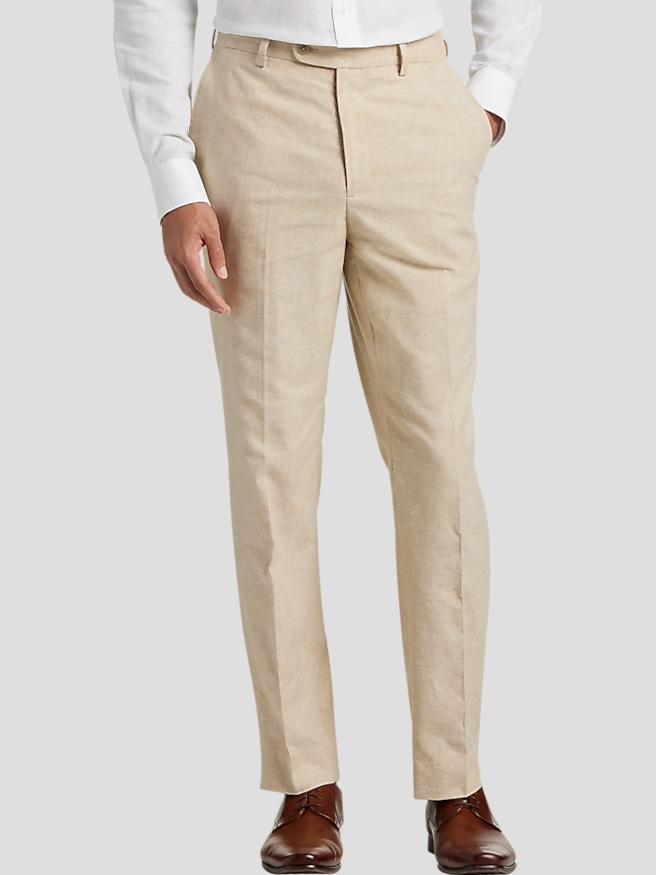
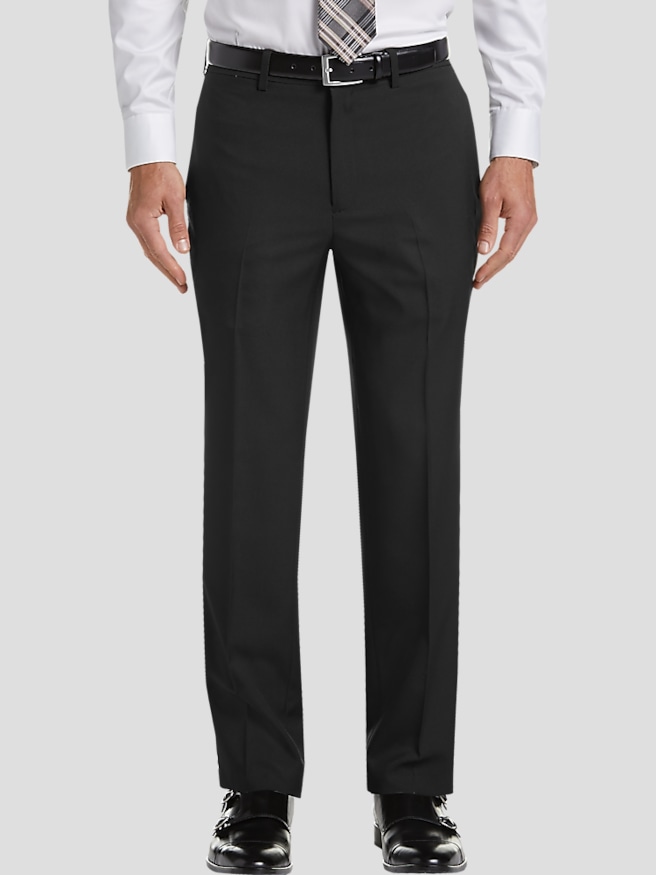
Mid-rise linen blend pants combine linen’s lightly textured appearance with a waistband that generally sits below the natural waist, often near or just below the navel. The exact placement depends on the cut and the wearer’s proportions, so “mid-rise” describes a fit category rather than one fixed measurement. For men who prefer a waistband that feels neither especially low nor high, this rise can create a balanced line between a shirt and the trousers beneath it. The fabric brings another part of the appeal: linen has an irregular surface that gives even a simple pair of pants visible character without requiring a bold pattern. Blending it with other fibers can modify the feel, drape, stretch, and care requirements. Cotton can lend a familiar softness and a more substantial hand, while viscose can encourage a fluid drape. Polyester may improve shape retention and wrinkle resistance, and a small amount of elastane can add give, though the actual performance depends on the proportions and construction. A blend is not automatically wrinkle-free, and the gentle creasing associated with linen remains part of its relaxed appearance. Fabric weight matters as much as fiber content. A lighter weave may fall loosely around the legs, while a denser fabric can give the same silhouette more definition. Men comparing mid-rise linen blend pants for everyday dressing, office settings with flexible dress codes, or dinners out can look beyond the rise to consider how structured the fabric feels and how neatly it hangs. An open weave, a smooth interior, and well-finished seams all contribute to comfort against the skin. Subtle variations in the yarn can add texture; they are not necessarily signs of damage. The overall effect is a pair of trousers that can look composed with a tucked-in shirt but still feel at home with an untucked polo, making this category useful for wardrobes that move between casual and lightly tailored clothing.
A comfortable mid-rise fit starts at the waistband, but it should continue through the seat, thighs, and legs. The waist should rest securely without needing a tightly cinched belt, and the front should lie reasonably smooth when standing. Horizontal pulling across the hips, pockets that flare open, or a fly that strains can indicate that the cut needs more room. Sitting at a desk, stepping onto a curb, and bending to tie a shoe are practical tests: the waistband should not dig in, and the fabric should allow those movements without pulling sharply through the seat. Rise and leg shape are separate features. A mid-rise pair can have a slim, straight, tapered, or wider leg, and each shape changes how the fabric falls. A straight leg offers a clean line with room below the knee; a taper narrows toward the ankle; a wider cut gives a drapier blend more space to move. Neither a roomy leg nor an elastic waist is required for pants to be mid-rise. Depending on the construction, waistbands may use a conventional button and zipper, elastic, a drawstring, or a combination of those details. A structured waistband typically works well with tucked shirts and a belt, while an adjustable waist can support a more casual look. Inseam length deserves equal attention. A hem that just meets the top of a loafer produces a neater finish than fabric gathering heavily around the shoe, although the right amount of break depends on personal preference and leg width. When alterations are needed, trying the pants with the intended shoes helps establish an accurate hem. For a day that includes desk work and an evening reservation, a straight or gently tapered silhouette can pair comfortably with a fine-gauge knit polo and leather loafers. For a more relaxed outing, a plain crewneck shirt and clean sneakers let the texture do most of the work. Keeping shirt length proportional helps prevent an untucked top from overwhelming the line of the pants.
Intended use also helps clarify which details deserve the most attention. For an office with a relaxed dress code, a defined waistband, restrained color, and smooth pocket openings can give linen blend trousers a tidy appearance. For travel or long stretches of sitting, room through the thighs and an adjustable waistband may matter more, along with pockets that hold essentials without adding bulk. A phone, keys, and a thick wallet can pull a lightweight fabric out of shape, so pocket placement and carrying habits affect how neatly the pants hang. At celebrations where the dress code allows more relaxed tailoring, linen’s texture can complement a softly constructed jacket, but these pants do not automatically substitute for formal trousers. Men exploring fabric composition and silhouettes can also compare the broader category of Linen Blend Pants for Men while keeping preferred rise and leg shape in mind. Long-term satisfaction depends on care as well as the initial fit. The care label is the best reference because blended fibers, dyes, waistbands, and internal construction can require distinct treatment. If machine washing is permitted, following the specified cycle and temperature helps limit unnecessary stress on the fabric. Avoid assuming that every linen blend can tolerate a hot dryer; excessive heat may cause shrinkage or affect stretch fibers. When permitted, smoothing the seams and reshaping the pants while damp can make the finish easier to manage. Steaming or ironing according to the label can soften pronounced creases without trying to erase every trace of linen’s natural texture. Prompt attention to stains, secure buttons, and sound seams helps preserve everyday wearability, while properly supported hanging reduces deep storage folds. As a gift for a partner, father, or friend, this category makes the most sense when waist size, inseam, and preferred leg shape are known. Those details turn a broadly useful wardrobe choice into something that feels considered: pants with the right amount of room, a comfortable waistband position, and a fabric that suits the recipient’s routine.