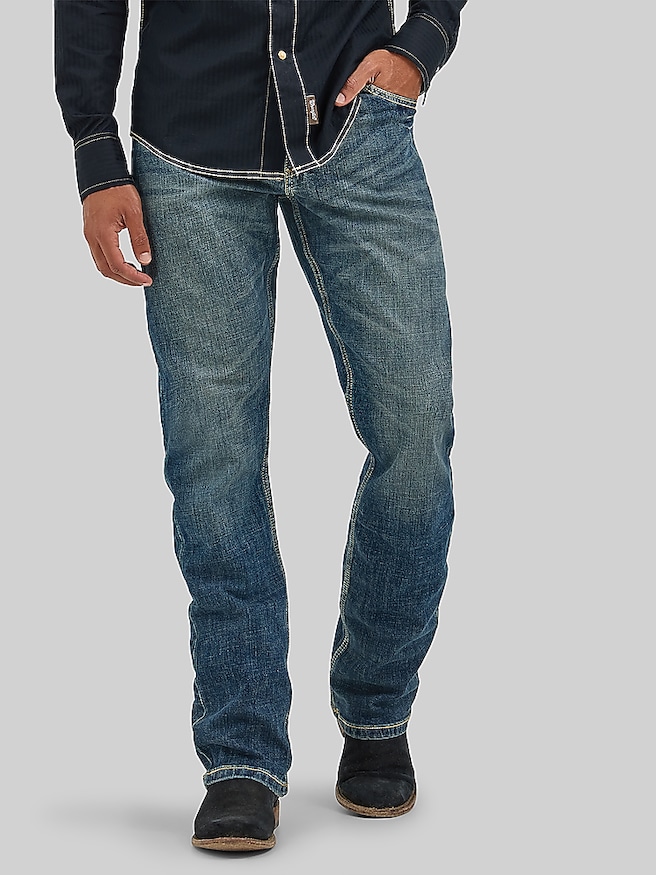
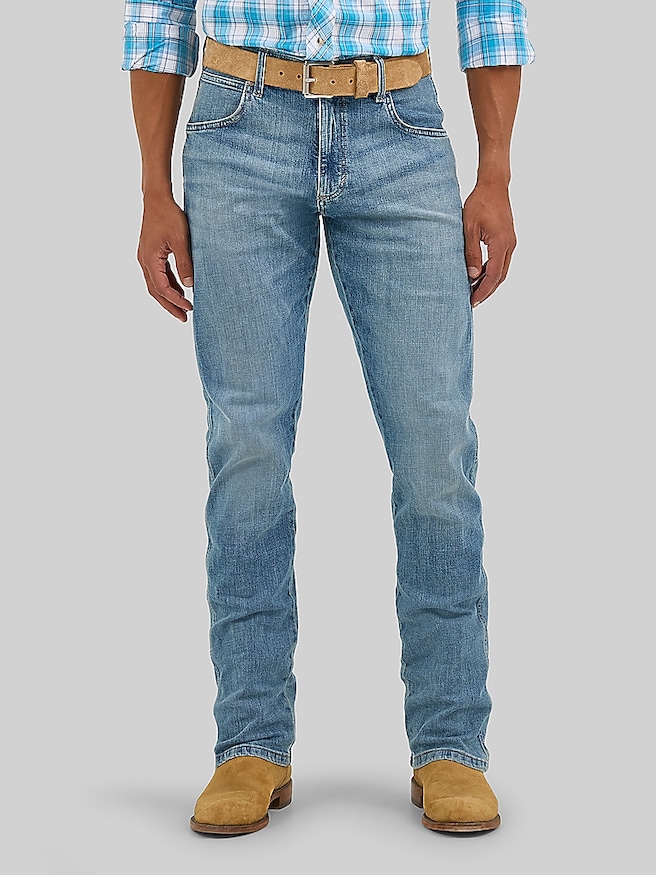
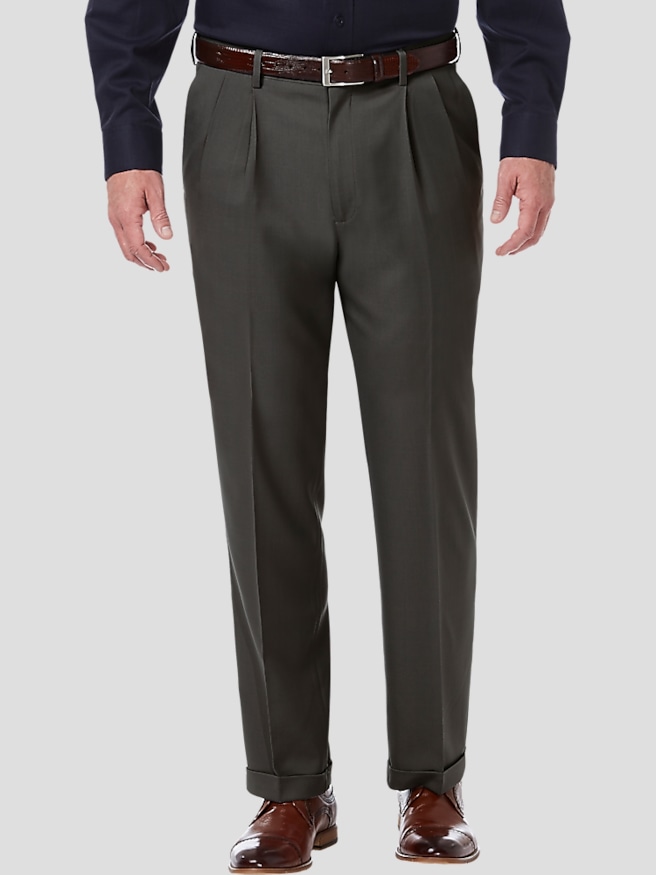
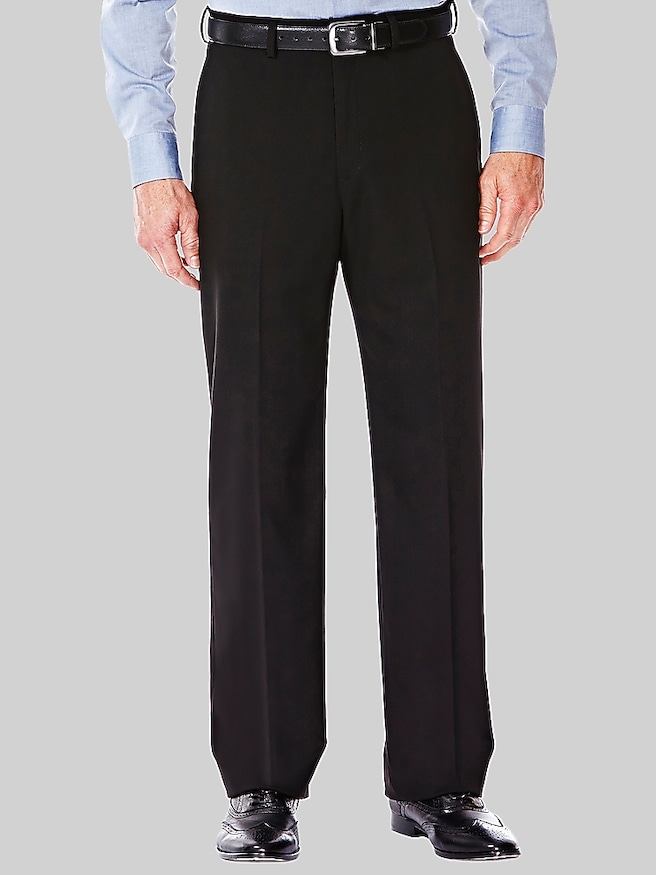
Menswear trousers include dress pants, chinos, and tailored casual styles, offering a range of options between formal suiting and everyday denim. Their character comes from the combination of fabric, cut, and finishing details: a crisp crease creates a more structured appearance, while a softly draped leg feels less formal without looking unfinished. Wool trousers are valued for their drape and natural resilience, making them a familiar choice for business attire and dressier occasions. Wool blends can combine that tailored appearance with qualities such as added durability or easier maintenance, depending on the fiber mix and construction. Cotton twill has a firmer hand and a subtle diagonal weave, giving chinos enough structure to work with a tucked-in shirt while remaining comfortable with a simple knit. Linen brings visible texture and an easy drape, with natural creasing that belongs to the fabric’s character rather than signaling a poor fit. Blended fabrics can soften that texture or change how readily the material wrinkles. A small amount of elastane may add flexibility for sitting, walking, and bending, although stretch does not replace a well-proportioned cut. Fabric weight and weave also influence how trousers hang: a substantial cloth often holds a defined line, while a lighter fabric may move more freely and reveal fit issues more readily. Smooth finishes tend to read as dressier, whereas brushed surfaces, pronounced twill, and textured weaves introduce a more relaxed appearance. Construction matters alongside fiber content. Even stitching, neatly finished seams, secure pocket openings, and a stable waistband contribute to trousers that maintain their shape through repeated wear. Reinforcement around high-stress areas, including pocket corners, can support durability. These differences help explain why two pairs in the same color can serve distinct purposes, with one suited to a presentation and the other feeling more natural at a casual dinner. The most versatile choice is not necessarily the plainest pair, but one whose fabric and finish fit comfortably into the wearer’s usual routine.
Fit gives menswear trousers their overall silhouette, from close and tapered to straight and generously cut. A slim fit generally follows the seat and thigh more closely before narrowing through the lower leg. A straight fit maintains a more consistent line, while a relaxed fit provides additional ease; the exact proportions vary by cut. Wider legs can create a deliberate, tailored shape when the waist, seat, and hem length are balanced. Rise describes the distance between the crotch seam and waistband and affects where the trousers sit on the body. A mid-rise offers a familiar starting point for many wardrobes, while a higher rise can pair naturally with tucked shirts and shorter jackets. Waist size alone does not determine comfort. The waistband should sit securely without pinching, the seat should lie smoothly, and the thighs should have enough room for an ordinary stride. Pockets that flare open or horizontal pulling across the front can indicate that more room or a different cut is needed. Pleated fronts add fabric through the upper portion of the trousers, allowing room to open during movement while contributing depth to the silhouette. Flat-front styles create a cleaner, uninterrupted surface, but neither construction guarantees a particular fit on its own. Length is equally important. A slight break leaves a small fold where the hem meets the shoe, while a no-break finish ends cleanly with little or no fold. More generous lengths create a fuller appearance, although excess fabric can bunch around the ankle and obscure the intended shape. The appropriate hem depends on the width of the leg, the shoes, and personal preference. A narrow opening generally needs less length to look tidy than a wider one. Belt loops, side adjusters, cuffs, and plain hems offer further distinctions without changing the basic purpose of the garment. Trying trousers while seated, taking a few steps, and checking the side and back views provides a more useful picture than standing still in front of a mirror. Alterations can refine length and some proportions, but a suitable starting fit remains important.
Intended use helps connect those fabric and fit choices to everyday dressing. For an office that favors tailored clothing, navy, charcoal, and medium gray trousers provide dependable foundations for collared shirts, knitwear, and sport coats. Subtle checks or a visible weave can add interest while keeping the overall appearance restrained. In a less formal workplace, cotton trousers with a clean hem and minimal pocket detailing can look polished with a polo or an open-collar shirt. Presentations, interviews, dinners, and family celebrations each call for a slightly different balance of structure and ease, and trousers often establish that balance before the jacket or shoes enter the picture. Darker, smoother fabrics usually support a dressier outfit, while earthy colors and more pronounced textures lend themselves to relaxed combinations. For a more distinctive approach to silhouette and styling, Men's Fashionable Trousers can bring personal expression into an otherwise familiar wardrobe. Proportion keeps the outfit cohesive: a fuller trouser leg can work with a neatly tucked shirt, while a tapered shape can sit comfortably beneath an unstructured jacket. Care deserves the same attention as styling because it affects both appearance and useful life. The garment’s care label determines whether washing, professional cleaning, or another method is appropriate; similar-looking fabrics may require different treatment. Emptying pockets before cleaning, treating marks promptly according to the care instructions, and avoiding excessive heat can help protect the fabric and finish. A suitable hanger supports a tidy shape between wears, and careful pressing can restore a crease when the material permits it. Rotating pairs gives each garment a break from repeated wear and makes routine upkeep more manageable. Trousers can also be a practical gift for someone building a professional wardrobe or refining an established one, especially when their preferred rise, leg shape, measurements, and care habits are known. Ultimately, well-chosen trousers should feel appropriate for the day ahead, move comfortably with the body, and retain a considered appearance beyond the first wear.