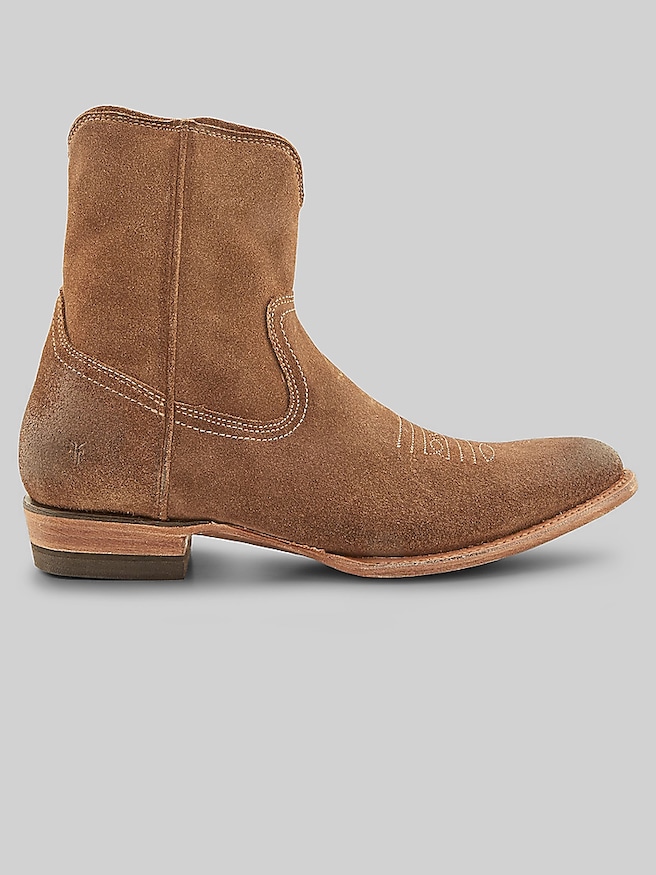
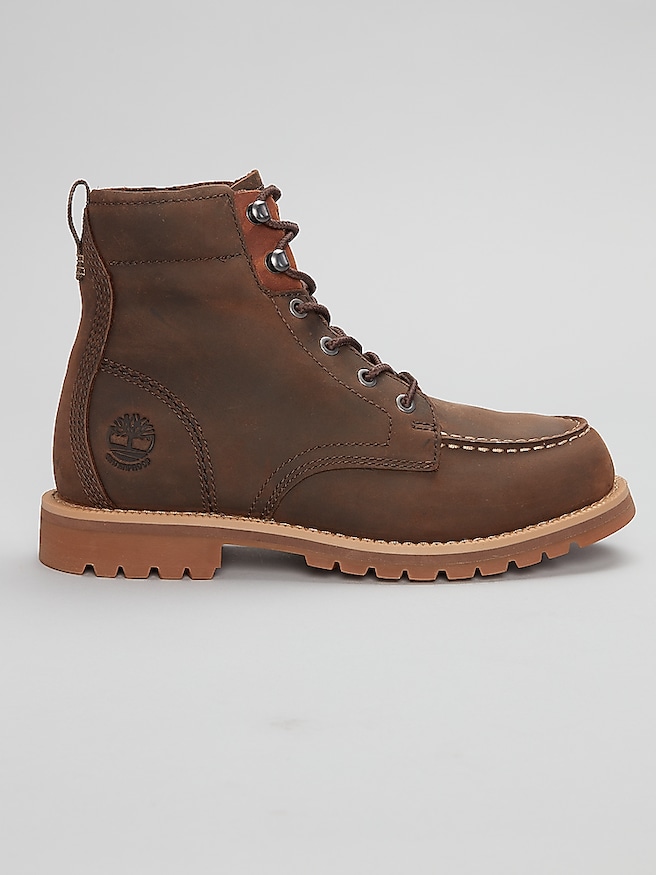
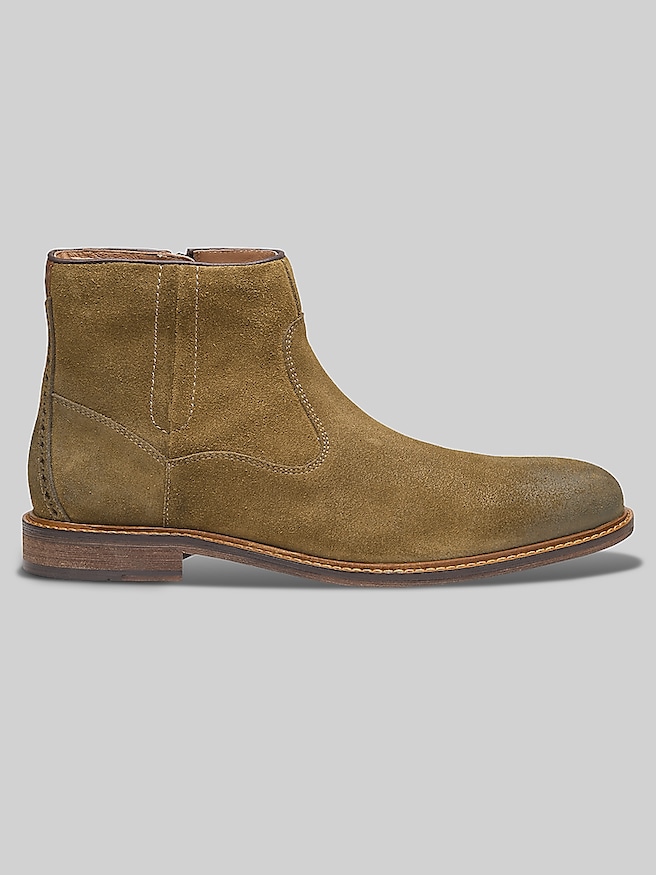
Men's zip-up dress boots combine the polished profile of a dress shoe with ankle coverage and a zipper that makes them easy to put on and take off. The zipper typically sits along the inside ankle or side of the shaft, keeping the front clean and eliminating the need to adjust laces with each wear. That streamlined shape works especially well with tailored trousers, a sport coat, or dark denim, making these boots a practical choice for wardrobes that move between professional and dressy casual settings. Smooth leather, restrained stitching, and a low-profile sole tend to create a dressier appearance, while visible grain, a broader toe, or a more substantial outsole gives the same basic silhouette a relaxed character. A plain toe keeps the look understated; a cap toe adds definition without requiring much decoration. Toe shape matters, too: an almond-shaped profile generally creates a longer, sleeker line, while a rounded shape offers a softer finish. Black boots pair naturally with charcoal and gray trousers, and brown tones can complement navy, tan, and textured fabrics. For an office presentation, a clean boot beneath a well-fitted trouser hem can look composed without drawing attention away from the rest of the outfit. For dinner or a wedding with a dressy casual dress code, the same silhouette can bring structure to an open-collar shirt and jacket. More formal invitations call for closer attention to the stated dress code, since an ankle boot does not automatically replace a traditional dress shoe for every occasion. The strongest combinations keep the proportions balanced: trousers should fall comfortably over the shaft rather than catch on its top edge, and a modest break helps preserve a continuous line from knee to toe. A discreet zipper pull and neat panel construction reinforce that finish, especially when the boots are visible while sitting or walking. The appeal is as much about ease as appearance, with a convenient closure supporting a style that feels intentional rather than overly elaborate.
Fit determines how comfortably zip-up dress boots handle a full day, particularly because a zipper provides access but usually offers less adjustment than laces. The foot should feel secure through the heel and midfoot without pressure across the instep, and the toes need room to move without being pushed against the front. A small amount of heel movement can occur in a new boot, but pronounced slipping, rubbing, or lifting that changes the stride can signal a poor fit. Leather may soften with wear, yet that softening should not be expected to correct cramped toes or a boot that is too short. Trying boots with the type of socks intended for regular wear gives a more useful impression than relying on size alone. Someone who wears thin dress socks with tailored trousers may need a closer fit than someone pairing boots with cushioned socks and denim. The ankle opening deserves attention as well: it should allow natural movement without digging into the leg, and the zipper should close smoothly without forcing the sides together. A seated position can reveal pressure points that are less noticeable while standing, especially along the top of the foot or where the shaft meets the ankle. Underfoot construction also shapes the experience. Cushioning can soften contact with firm floors, while a supportive footbed and stable heel may matter more for long stretches of standing. A flexible sole can feel easier through the walking motion, whereas a more structured sole may feel firmer initially. Rubber outsoles often provide grip and cushioning, while leather soles offer a traditional dress-shoe finish; actual traction depends on the sole design and the surface. For a commute followed by meetings, or an evening that involves walking between venues, comfort comes from the complete fit rather than any single feature. Smooth interior seams, a comfortable lining, and a trouser hem that does not snag on the zipper all contribute to an outfit that remains easy to wear.
Materials and construction influence both the appearance of men's zip-up dress boots and how well they respond to regular use. Smooth leather can develop creasing and character over time, while suede has a soft, textured surface that creates a less formal impression. Neither finish is maintenance-free, and the appropriate care depends on the material and the maker's directions. Dust and surface dirt are best removed before they settle into seams or grain. Smooth leather generally benefits from suitable conditioning when needed and a compatible cream or polish to maintain its finish; suede calls for tools and treatments intended specifically for its nap. Testing any treatment on a discreet area helps reduce the risk of an unwanted color change. Zippers also deserve routine attention: keeping the teeth clear of debris and pulling the slider straight, rather than tugging it sideways, helps avoid unnecessary strain. Opening the zipper fully before removing the boot protects the closure and makes it less tempting to crush the heel. Between wears, shoe trees can help support the shape and absorb residual moisture, while a shoehorn can reduce stress at the heel during dressing. Rotating footwear gives interiors time to air out. Durable construction is visible in even stitching, secure sole attachment, neatly finished edges, and hardware that operates smoothly, although repair options depend on how the boot is made. These details matter for someone building a dependable office wardrobe or choosing a useful gift for a partner, parent, or recent graduate. A gift works best when the recipient's usual size, preferred width, and everyday dress habits are known, since a sleek silhouette is only useful if it feels right on the foot. For wardrobes that lean toward denim, chinos, and unstructured jackets, Men's Dressy Casual Boots provides a related style direction. Zip-up dress boots occupy that useful space between traditional polish and everyday ease, with the best match reflecting how someone actually dresses, walks, and spends the day.