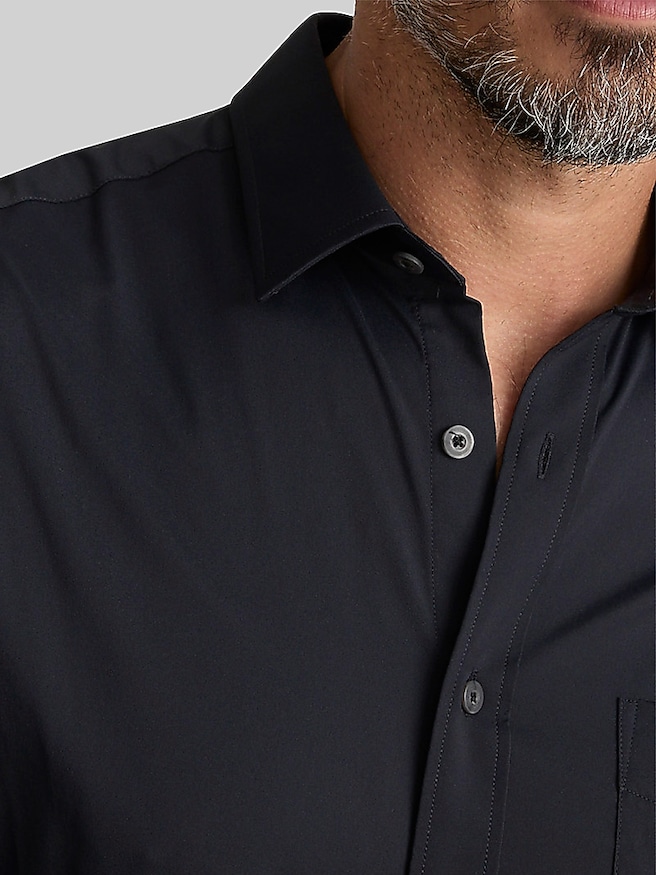
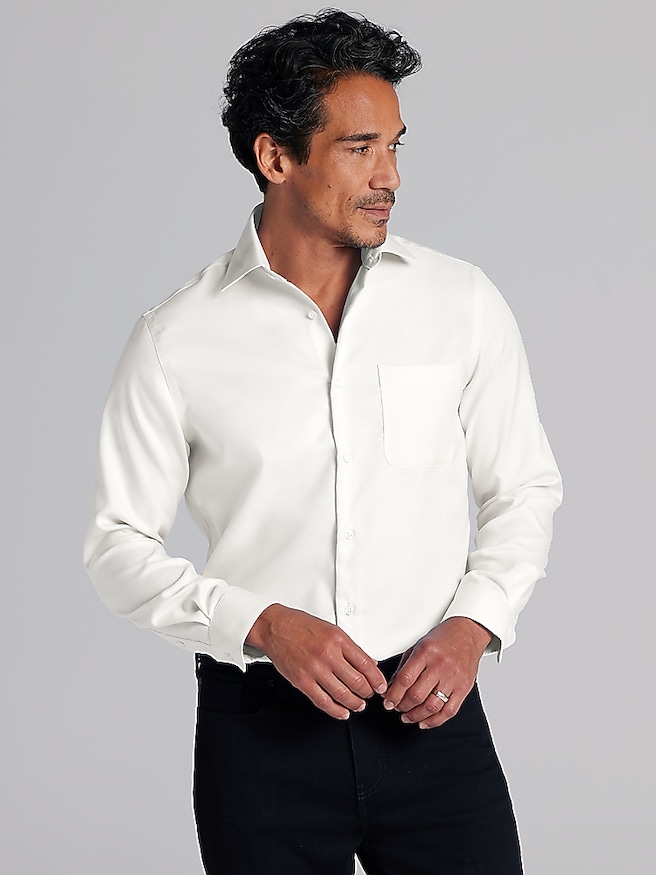
Men’s wrinkle-free button-down shirts are designed to resist creasing and maintain a smoother appearance through everyday wear, making them a practical choice for office wardrobes, business travel, and occasions that call for a polished shirt. Their easy-care performance can come from fabric blends, finishing treatments, or a combination of both. Cotton offers breathability and a familiar, soft feel, while cotton-polyester blends often combine that comfort with quicker drying and greater resistance to wrinkles. Fabrics with a small amount of stretch can provide extra flexibility when reaching across a desk, driving, or sitting through a long meeting. The terms wrinkle-free, wrinkle-resistant, and non-iron describe related benefits, but they do not promise identical results across every fabric or care routine. A shirt may still develop light creases where a seat belt crosses the chest or where sleeves bend at the elbows; the advantage is generally less effort spent getting it ready to wear and keeping it presentable. Construction also matters. In traditional shirt terminology, a button-down has collar points that fasten to the shirt, helping the collar stay neatly in place. Button-front shirts with other collar styles may offer similar easy-care fabrics, so collar construction and fabric performance are separate details worth understanding. Weave contributes another layer of character: a fine, smooth surface tends to look dressier, while Oxford cloth has a basket-weave texture that adds subtle depth. For a textured option with the same practical focus, men’s wrinkle-free Oxford shirts bring a familiar balance of structure and everyday ease. White and light blue create a clean foundation for tailored clothing, while muted stripes, small checks, and deeper solid colors give everyday outfits more variety. The best match depends on how the shirt will be worn: under a jacket, open at the neck with chinos, or tucked into dress trousers for a more finished appearance. Fabric weight, opacity, and surface texture all influence that balance, especially when the shirt needs to look equally appropriate with and without a jacket.
Fit gives a wrinkle-free shirt its shape, and a smooth fabric cannot compensate for a collar that feels restrictive or a chest that pulls across the buttons. A comfortable fit leaves enough space to move without creating loose folds that bunch beneath a jacket. Shoulder seams generally sit near the natural edge of the shoulder, while the front placket should lie relatively flat when the wearer is standing or seated. Slim fits create a closer outline through the chest and waist; tailored fits often offer a shaped profile with some additional room; classic fits typically allow more ease through the body. Those descriptions vary by maker, so measurements are more useful than the fit name alone. Neck size and sleeve length are especially important for shirts worn with a tie or tailored jacket. A collar should close comfortably without pressing into the neck, and a sleeve should reach the wrist without pulling back sharply when an arm extends. Cuffs that sit neatly at the wrist help keep excess fabric from falling over the hand. Shirt length changes the overall effect, too. Longer tails help a tucked shirt stay in place through sitting and standing, while a shorter, balanced hem can suit an untucked outfit when the design supports it. These details make a noticeable difference in familiar situations: presenting in a conference room, leaning over a worktable, or heading directly from an office to dinner. A button-down collar can keep an open neckline looking intentional, and its slightly relaxed character pairs naturally with chinos, dark denim, and softly structured jackets. With a tie, the collar’s proportions should work with the knot rather than crowding it. For occasions with a formal dress code, the required level of dress determines whether a button-down collar is appropriate. Subtle patterns add interest beneath a solid jacket, while a simple solid shirt makes it easier to coordinate patterned ties. A restrained combination of color, texture, and proportion often looks more considered than an outfit with several competing details.
Easy care is a major part of the appeal of men’s wrinkle-free button-down shirts, but the care label remains the most reliable reference for washing, drying, and any pressing. Some fabrics tolerate machine washing and tumble drying, while others call for gentler handling. Removing a washable shirt promptly at the end of its drying cycle and placing it on a hanger can help prevent fresh creases from becoming set in a crowded laundry basket. Overloading the washer or dryer can limit movement and leave fabric more compressed, reducing the benefit of an easy-care finish. If touch-up pressing is permitted, the recommended iron setting matters, particularly for blends and stretch fabrics. Higher heat is not automatically more effective and may damage fibers or finishes. Collars and cuffs also deserve attention because they collect skin oils and experience repeated friction; following the label’s cleaning directions helps preserve their appearance without unnecessary wear. Durability depends on more than wrinkle resistance alone. Secure buttons, evenly sewn seams, stable collar construction, and fabric that holds its shape all contribute to a shirt that continues to look composed after repeated use. Rotating shirts and storing them with enough room to hang freely can reduce avoidable abrasion and crushing. For travel, wrinkle-resistant fabric can make unpacking less demanding, although tightly packed luggage may still leave folds that need attention according to the garment’s care instructions. The same convenience suits commuters, frequent presenters, and anyone who prefers a straightforward routine before leaving home. As a gift, an easy-care button-down can be useful for a graduate building a work wardrobe, a partner who travels regularly, or a father who appreciates dependable everyday clothing. Knowing the recipient’s neck and sleeve measurements, preferred fit, and usual colors makes that choice more personal. Across these uses, the appeal stays consistent: a comfortable shirt with a neat appearance, versatile styling, and care requirements that fit into an ordinary schedule.