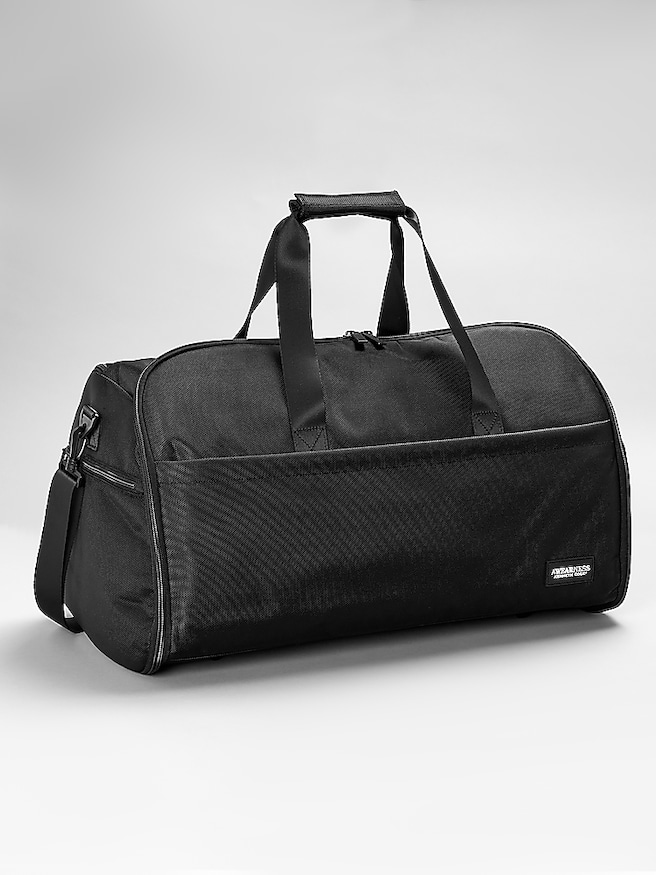
Men's work bags bring daily essentials together in a format that suits the workplace, the commute, and the way the day unfolds. The most practical choice depends on what needs to travel: a laptop and charger, paperwork for a meeting, a notebook, or enough personal essentials to move comfortably between appointments. Briefcases offer a structured, professional look that complements suits, tailored trousers, and polished shoes, especially in offices where business attire is the standard. A slim profile keeps a light load close at hand, while a wider design can accommodate files and accessories without forcing them into the same compartment. Messenger bags have a more relaxed feel, with a shoulder strap and accessible layout that work well for business-casual settings. A crossbody style can leave a hand free for a phone or transit card, though comfort depends on the weight carried and the position of the strap. For longer walks or days with more equipment, men's work backpacks offer a hands-free alternative, using two shoulder straps to share the load rather than concentrating it on one side. Clean lines, restrained hardware, and a shape that holds its form help any of these styles look appropriate beside a desk or at a conference table. Black, brown, navy, and charcoal are versatile colors that work with a broad range of office clothing without requiring an exact match to shoes or a belt. A smooth leather finish often feels more formal, while a matte fabric exterior can suit a creative office or a less structured dress code. The bag should support the routine rather than complicate it: a compact briefcase makes sense for someone who carries only meeting essentials, while a roomier design better accommodates a laptop, lunch container, and separate pouches. Moving from a morning train to a client presentation is easier when the bag looks composed and its contents remain easy to find.
Materials and construction influence how a work bag feels in the hand, how it holds its shape, and how it responds to repeated use. Leather offers a substantial feel and a surface that may develop character over time, although the finish and care requirements vary. Full-grain leather retains natural surface markings, while other leather finishes can create a more uniform appearance. Canvas brings texture and a more casual character; nylon and polyester can provide a lighter alternative when keeping the overall carrying weight down matters. A fabric exterior does not automatically make a bag less professional, particularly when the silhouette is simple and the trim is understated. Nor does a heavier material automatically make a bag more durable. Reinforced handle attachments, secure strap connections, neatly finished seams, and zippers that move smoothly are meaningful details because those areas receive frequent stress. A sturdy base helps support the load when the bag is set down, and a lining that lies smoothly makes small accessories easier to retrieve. Capacity deserves the same attention as appearance. Laptop compatibility depends on the device's actual dimensions and the compartment's usable measurements, not just the screen size listed in inches. Padding helps cushion everyday bumps, but it does not make a bag damage-proof; a secure compartment also limits movement as the bag is carried. Documents need enough space to lie flat, and bulky charging equipment is easier to manage in a separate pocket than pressed against a computer. External dimensions matter in crowded transit, beneath a desk, or beside a chair in a meeting room. A bag that is comfortable when empty may feel quite different after a laptop, charging cable, notebook, and drink bottle are added. Broad, adjustable straps can improve carrying comfort, while handles should offer enough room for a natural grip. For a backpack, a close, balanced fit helps keep the load from shifting excessively. For a shoulder bag, a strap length that holds the bag near the body can make movement feel less cumbersome.
Thoughtful organization is what turns a men's work bag from a place to store belongings into a dependable part of the working day. An accessible pocket for a transit pass or office badge saves searching at a doorway, while a dedicated space for keys keeps them from settling beneath paperwork. Small interior pockets can separate pens, earbuds, and charging cables, but too many compartments may be unnecessary for someone who prefers a simple layout. The useful arrangement is one that reflects actual habits: a consultant moving between offices may value quick access to documents, while a hybrid worker may need room to carry a complete desk setup between locations. A secure closure keeps the contents contained when the bag is lifted, set down, or placed on its side. If a design includes a bottle pocket, keeping liquids separate from electronics adds a practical safeguard, though the bottle itself should still close securely. Regular care supports both appearance and longevity. Dust and surface debris are best addressed before they collect around seams and hardware, with cleaning methods matched to the material and the manufacturer's instructions. Leather may benefit from a suitable conditioner when recommended, and any treatment should first be tested on an inconspicuous area. Fabric care varies by construction, so a removable lining or washable-looking exterior should not be assumed to be machine washable. Allowing a cleaned bag to dry fully away from direct heat helps protect its shape and finish. Avoiding overpacking also reduces strain on closures, handles, and seams. Between uses, storing the bag with enough support to maintain its shape keeps it ready for the next workday. A work bag can also make a thoughtful gift for a graduation, a promotion, or the start of a new role, especially when its size and style reflect the recipient's daily routine. A well-considered choice balances a professional appearance with comfortable carrying, useful space, and straightforward upkeep—qualities that matter long after the first trip to the office.