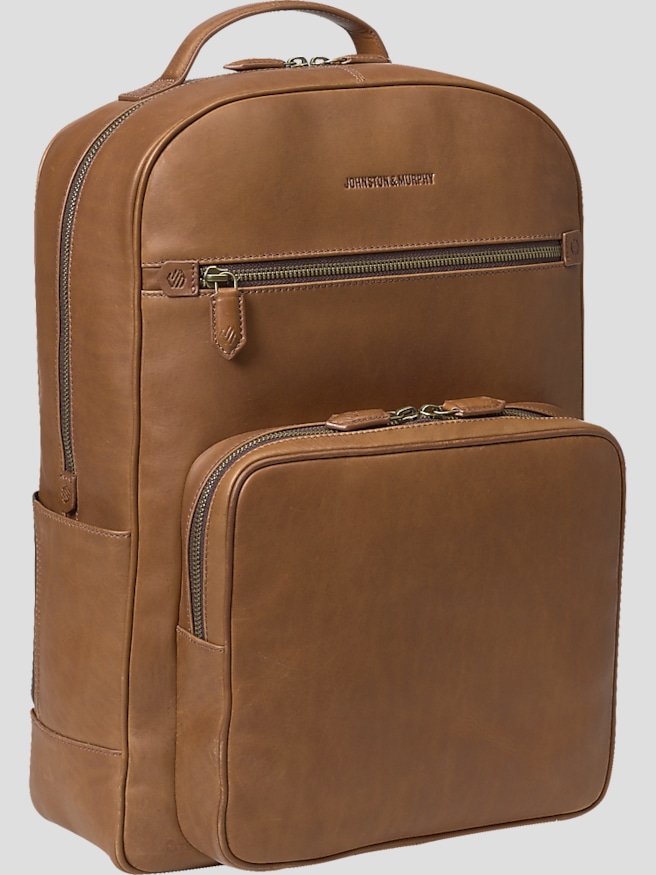
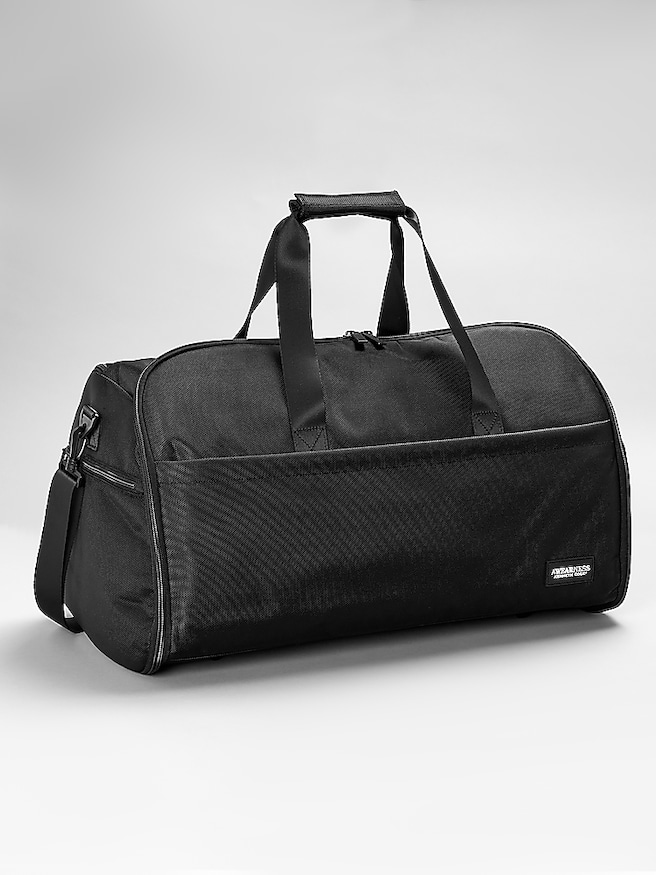
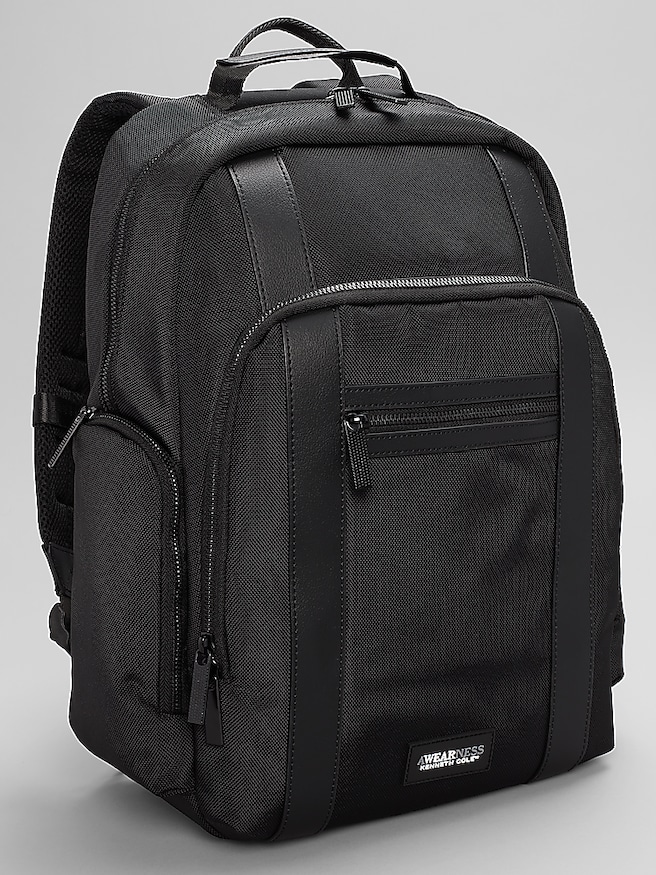
Men’s work backpacks bring hands-free carrying, organized storage, and a professional appearance to the everyday trip between home, the office, and appointments. Unlike a bag built mainly for recreation, a work-focused backpack puts frequently used essentials within easy reach while keeping documents, electronics, and personal belongings from becoming one crowded pile. A structured shape and restrained detailing can look at home beside a tailored jacket, while a softer profile pairs comfortably with chinos, knitwear, and more casual office clothing. Black, charcoal, navy, and brown are versatile choices because they coordinate easily with established work wardrobes without demanding an exact match to shoes or a belt. The streamlined look associated with Mens Business Backpacks is especially relevant in professional settings where the bag travels from a commuter seat to a conference room. Capacity matters just as much as appearance: a compact backpack may accommodate a laptop, charger, notebook, and a few personal essentials, while a roomier design can leave space for lunch, headphones, or a change of clothes. Capacity in liters provides a useful comparison, but the shape of the main compartment determines how comfortably those belongings actually fit. A tall, narrow interior may handle folders well yet make a wide lunch container awkward to position. For electronics, the advertised laptop size is only a starting point. Screen measurements run diagonally, so the device’s full width, height, and thickness should be compared with the sleeve’s interior dimensions, especially when a protective case stays attached. A padded compartment helps separate a computer from other contents, and a raised sleeve can provide additional separation from the bottom of the bag. For office employees, consultants, educators, and professionals moving between shared workspaces, these practical details make a backpack feel less like extra baggage and more like a dependable part of the daily routine.
Comfort becomes noticeable over the course of a commute, particularly when a computer, charging equipment, and a full day’s essentials travel together. A well-proportioned work backpack sits close to the back rather than hanging far below the waist, with adjustable shoulder straps that distribute the load without pulling sharply at the neck. Broad, padded straps can make a meaningful difference, although padding alone does not compensate for an overloaded bag or a poor fit. The backpack’s empty weight deserves attention, too; substantial hardware and dense materials add to the total before anything goes inside. A supportive back panel helps keep hard corners from pressing against the body, while a stable base can make packing and unpacking easier beside a desk. Fit should leave room for natural arm movement and allow straps to rest comfortably over a shirt or jacket without excessive tightening. Inside, the most useful organization follows the way the bag is used. A separate compartment for paperwork helps keep pages flat, a small pocket can prevent keys from scraping a phone, and dedicated spaces for pens and charging cables reduce rummaging before a meeting. An exterior bottle pocket can free up interior space, provided it holds the bottle securely and does not interfere with the main opening. For a train commute, access to a transit card may matter more than numerous small compartments; for regular flights, a luggage pass-through can simplify movement through a terminal. Backpack dimensions still need to be checked against the airline’s baggage requirements rather than assumed to qualify. Durability shows up in less conspicuous places: reinforced strap attachments, even stitching, secure handles, and zippers that move smoothly around corners. A padded top handle is useful for the short carry from a chair to a meeting table, while zipper openings that provide a clear view of the interior help prevent a frantic search for a charger at the bottom.
Materials influence how a men’s work backpack looks, feels, and holds up to repeated handling. Nylon and polyester fabrics often offer a practical balance of low weight and everyday durability, though weave, fabric weight, lining, and construction all affect performance. Canvas has a more textured, casual character, with structure and weight that vary by design. Leather can bring a polished appearance and develop character with use, but its care needs depend on the finish, and it may weigh more than a comparable fabric bag. Mixed-material construction can combine a flexible fabric body with trim that adds definition around handles, corners, or the base. No material name alone guarantees longevity; the quality of seams, stress points, closures, and interior finishing matters just as much. A reinforced bottom is particularly useful for a backpack that is frequently placed beneath a desk, although any bag benefits from being kept away from rough surfaces and sharp edges. For hands-on work settings, the intended load deserves special consideration: an office backpack is not automatically designed to carry heavy tools, exposed blades, or specialized equipment. Care should follow the manufacturer’s directions, with routine attention to the interior as well as the exterior. Emptying pockets, removing loose debris, and treating small marks promptly can keep everyday buildup from becoming harder to address. Fabric surfaces may allow gentle spot cleaning, while leather may require a finish-appropriate cleaner or conditioner; machine washing, soaking, and strong household cleaners can damage padding, coatings, trim, or adhesives. A bag should be fully dry before electronics and paperwork go back inside, and storage without heavy objects pressing against it helps preserve its shape. As a gift, a work backpack can mark graduation, a first professional role, or a career milestone with something useful beyond the occasion itself. The most thoughtful choice reflects the recipient’s actual routine, including device size, commute, clothing preferences, and the amount carried each day. A clean silhouette, comfortable fit, and sensible interior organization give a work backpack lasting relevance, whether the day involves a familiar desk, several client visits, or a shared workspace across town.