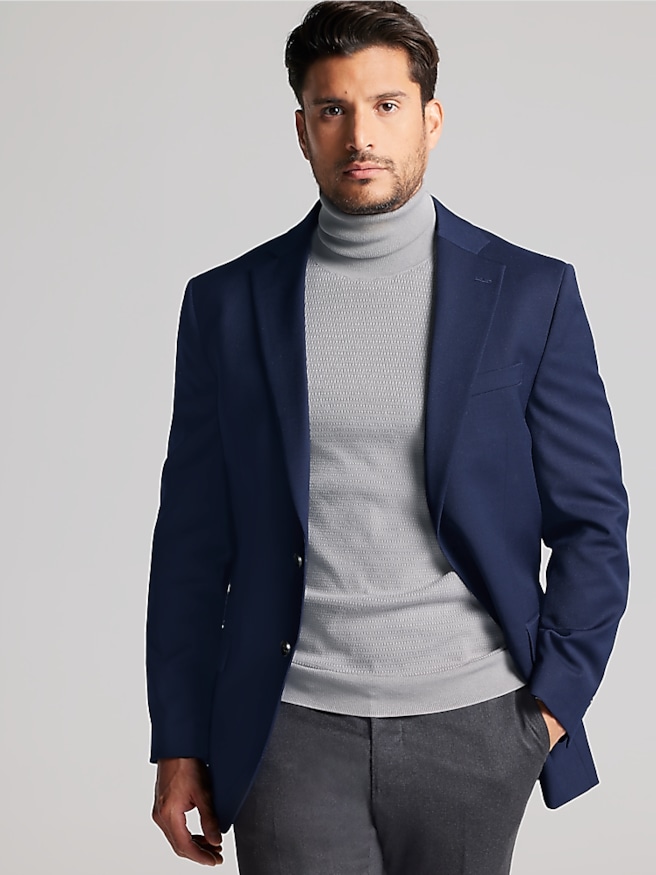
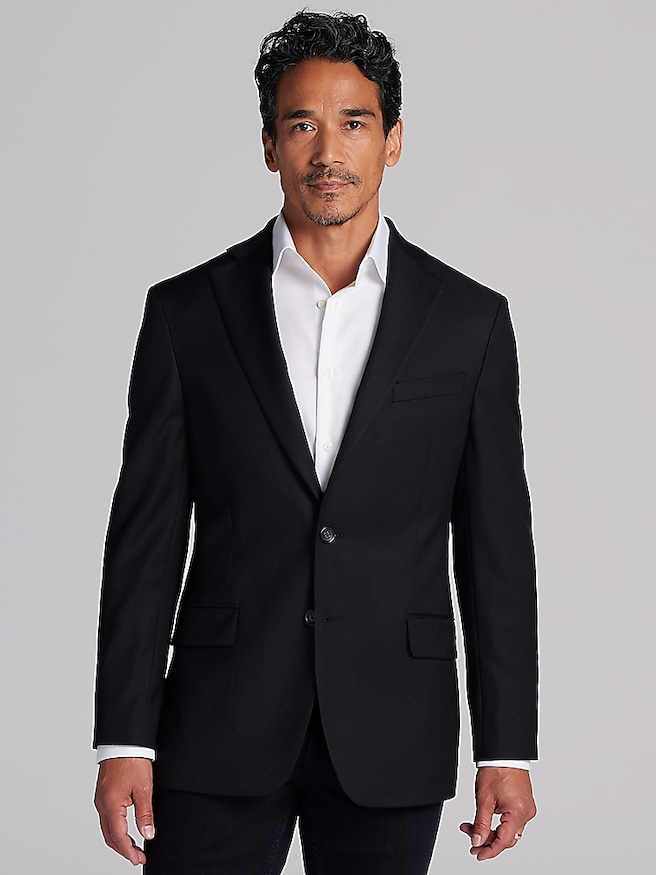
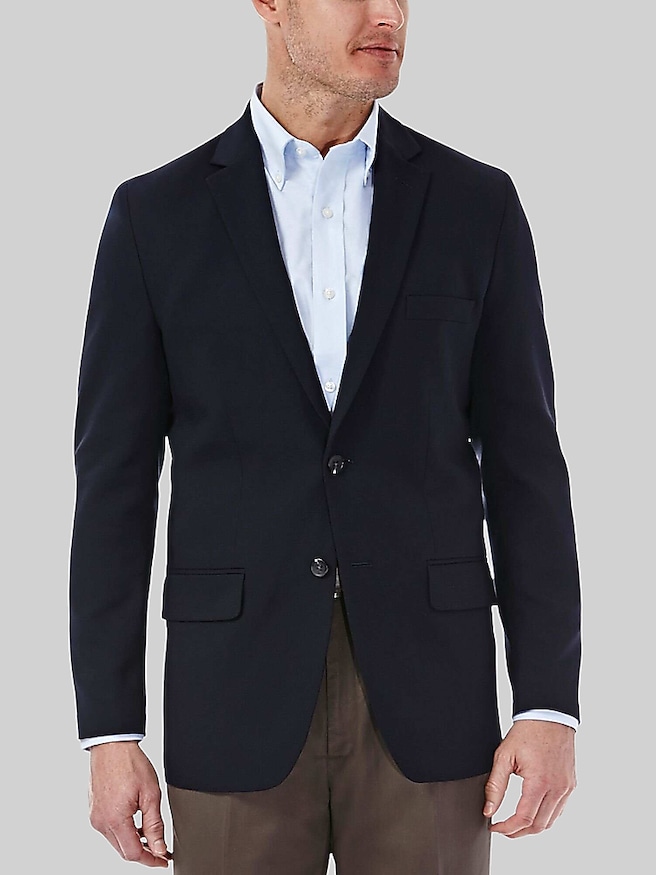
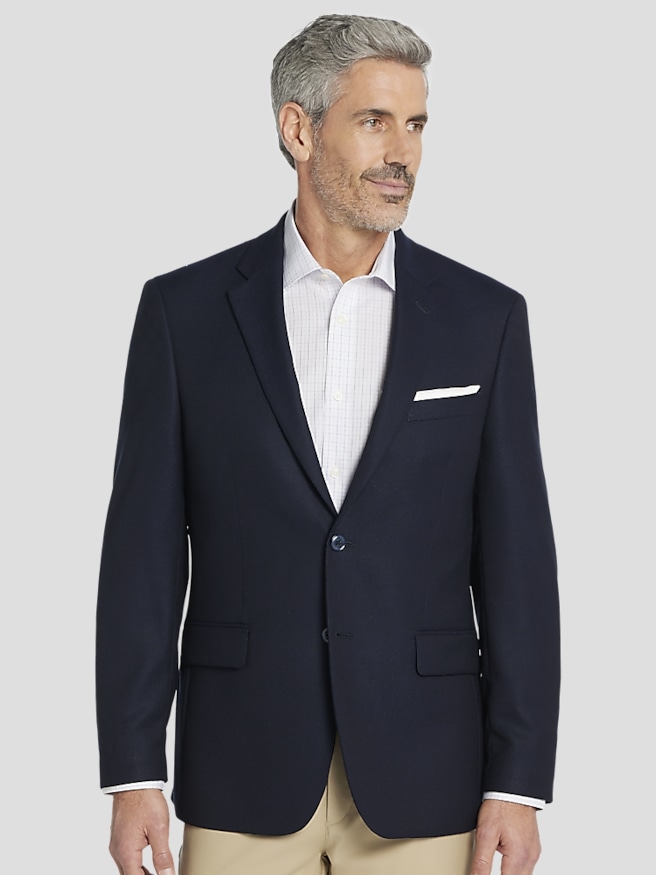
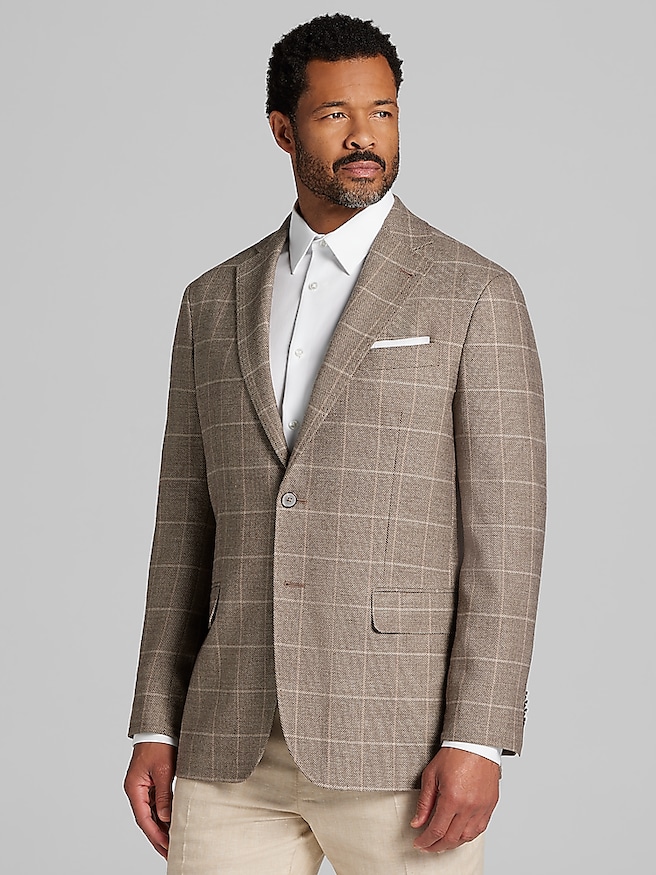
Winter wool and textured sport coats bring depth to a tailored wardrobe through substantial cloth, subtle patterns, and a softer approach to dressing up. Unlike a matching suit jacket, a sport coat is designed to stand on its own, making it a natural companion for wool trousers, chinos, or dark denim. Its character often comes from the fabric: the broken diagonal of herringbone, the small checks of a woven pattern, or the flecks of color running through a tweed. These details give a jacket visual interest without requiring a bright color or bold accessory. Charcoal, navy, brown, and olive create versatile foundations, while shades of rust, burgundy, and muted blue can add dimension within the weave. Wool is valued for its insulating qualities, breathability, and natural resilience, although the warmth and feel of a finished coat depend on its weight, weave, lining, and construction. A loosely woven wool can feel quite distinct from a dense, brushed cloth, even when both share the same fiber content. Wool blends may introduce additional softness, strength, or flexibility, so the fabric label matters as much as the surface appearance. Texture also changes how a sport coat reads in everyday settings. A nubby weave feels relaxed over a fine-gauge sweater at a neighborhood restaurant, while a restrained herringbone can look polished with a crisp shirt for an office presentation. For winter occasions that call for more than a sweater but less than a full suit, these jackets occupy a useful middle ground. They can suit an afternoon gathering, a business dinner, or an evening performance without looking overly formal. The appeal is not simply extra warmth; it is the way a textured jacket adds shape and intention to familiar clothes. A clean shoulder line and an expressive fabric can make even a plain shirt and simple trousers feel thoughtfully put together.
Fit determines whether that substantial texture looks easy or cumbersome. A winter sport coat should sit cleanly across the shoulders, with the collar resting close to the shirt collar rather than pulling away at the back of the neck. When the jacket is buttoned, the front should lie smoothly without pronounced pulling around the fastening. Enough room through the chest and upper arms allows comfortable movement when reaching for a bag, sitting at a desk, or extending a hand across a table. The intended layers deserve attention, too: a jacket worn mainly over a dress shirt may fit differently from one expected to accommodate a lightweight merino sweater. Trying the coat with a comparable layer helps reveal whether the sleeves bind or the upper back feels restricted. Heavy knitwear can overwhelm a closely tailored jacket, whereas a fine-gauge crewneck or turtleneck often provides warmth without excessive bulk. Jacket length and sleeve length help balance the overall proportions, and alterations can refine those details when the underlying shoulder and chest fit is sound. Styling works best when the fabrics have a clear relationship rather than competing for attention. A visibly textured sport coat pairs comfortably with smoother trousers, while a quiet shirt lets a windowpane or herringbone remain the focal point. With denim, a dark, even wash and minimal distressing keep the contrast intentional. With wool trousers, choosing a distinct color or texture avoids the impression of an almost-matching suit. Brown leather boots, loafers, or lace-up shoes can each support the look, depending on the setting and the trouser shape. Accessories need not be elaborate; a matte tie or a casually folded pocket square can complement the cloth without repeating its pattern exactly. For travel between indoor plans, an outer layer should leave room for the sport coat beneath it rather than compressing the shoulders and sleeves. Men's Wool Coats For Winter Style offers a related category to consider when a tailored jacket alone is not enough for outdoor conditions.
The lasting value of a wool or textured sport coat depends on both its construction and the attention it receives between wears. Wool fibers have a natural spring that can help fabric recover from ordinary creasing, but no jacket is immune to friction, stretching, or careless storage. Areas such as the elbows, cuffs, and pocket edges tend to show repeated use first, particularly when a jacket is worn frequently for commuting or desk work. Rougher surface texture does not automatically mean greater durability; a soft, lofty cloth may need gentler handling than a tightly woven fabric. Following the garment’s care label is essential, especially for blends, linings, and structured components that may respond differently to heat or moisture. After wearing, a broad, shaped hanger supports the shoulders, while some space in the closet allows the jacket to air out without being crushed. Emptying the pockets helps prevent sagging, and light brushing with an appropriate garment brush can remove surface dust before it settles into the weave. Stains are best addressed promptly according to the care instructions, with professional attention when needed rather than vigorous rubbing that could disturb the texture. Cleaning should reflect actual wear and the label’s directions, not an automatic trip after every outing. Before longer storage, the coat should be clean and fully dry, with suitable protection against clothes moths. These habits are especially worthwhile for a jacket that becomes a regular part of a work wardrobe or a dependable choice for dinners and family photographs. A textured sport coat can also make a thoughtful gift for someone who enjoys tailored clothing, provided the recipient’s measurements, fit preferences, and usual layers are considered. A familiar neutral color may integrate easily into an established wardrobe, while a subtle woven pattern can offer variety without demanding an entirely new set of coordinating clothes. Whether worn weekly or reserved for meaningful occasions, the most useful winter sport coat combines comfortable proportions, fabric suited to its purpose, and enough versatility to feel natural with clothes already in rotation.