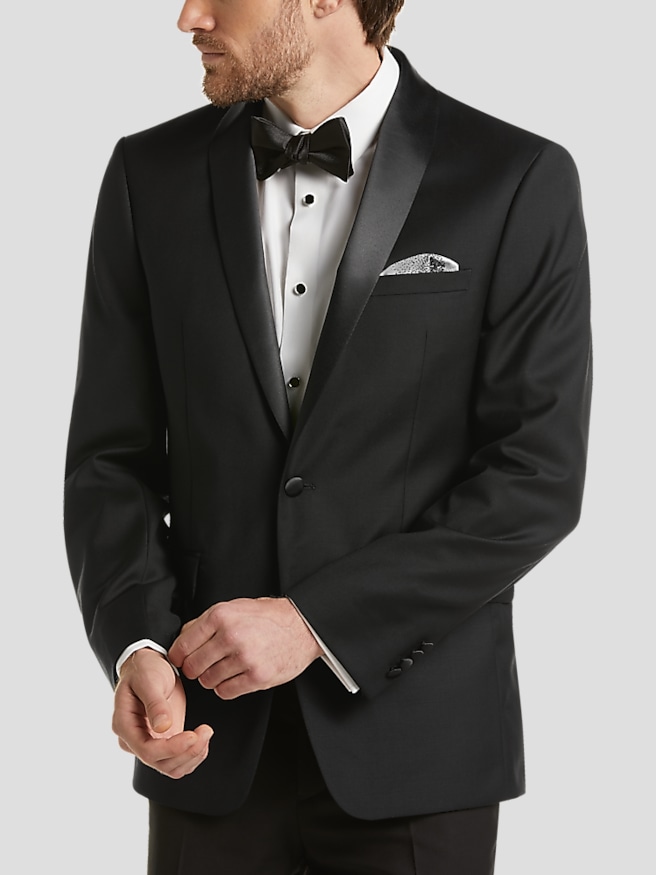
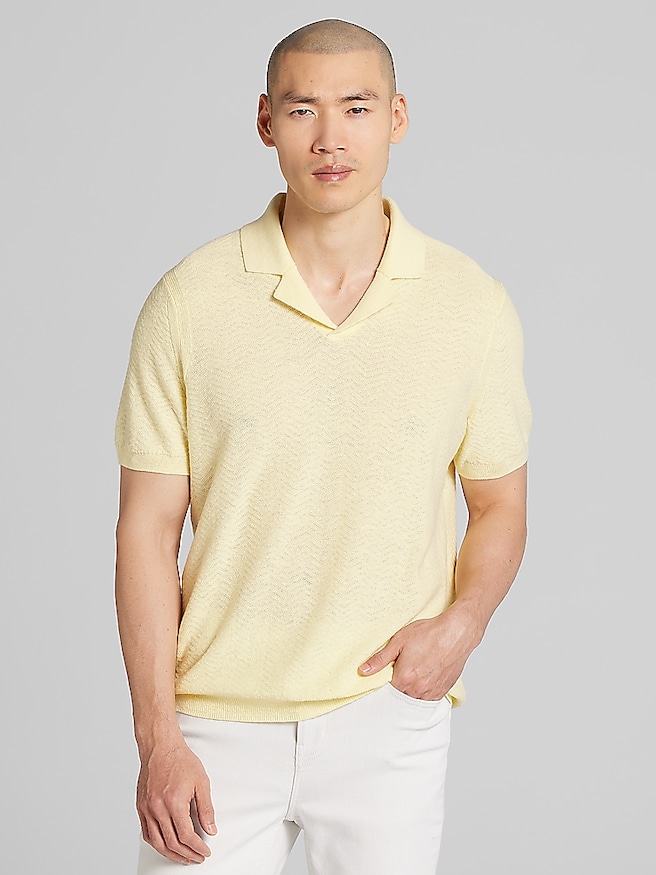
Men’s winter formal sweaters bring warmth and a refined finish to dressier outfits without the bulk of a heavy knit. Fine-gauge merino wool, cashmere, and thoughtfully constructed blends are especially well suited to this role because they can sit smoothly beneath a tailored jacket while maintaining a clean silhouette. Merino wool offers natural breathability and temperature regulation, making it useful for an evening that moves from a cold sidewalk to a heated dining room. Cashmere is prized for its softness and warmth relative to its weight, while wool blends can balance insulation, shape retention, and ease of care, depending on their composition. Cotton and cotton-blend knits offer another choice for someone who prefers a less insulating layer or a different feel against the skin. A sweater’s dressiness depends as much on its surface and proportions as its fiber: smooth stitches, restrained detailing, neat ribbing, and a neckline that holds its shape generally look more polished than oversized cables or a loose, slouchy construction. A fine-knit crewneck creates a quiet backdrop for a jacket, a V-neck leaves room for a shirt collar and tie, and a turtleneck provides a continuous line from the chest to the chin. A slim cardigan can add depth over a dress shirt, particularly when its placket lies flat and its buttons remain understated. These styles work particularly well for winter wedding receptions with flexible dress codes, business dinners, theater evenings, and gatherings where a suit feels appropriate but a traditional shirt-and-tie combination is not required. The word formal deserves some distinction here: a refined sweater can make an outfit look dressed up, but it does not automatically satisfy black-tie or white-tie requirements. Invitations with strict evening dress codes generally call for traditional formalwear. For occasions that allow more interpretation, a sleek knit offers a composed alternative with an appealing softness, especially when its texture complements rather than competes with the tailoring around it.
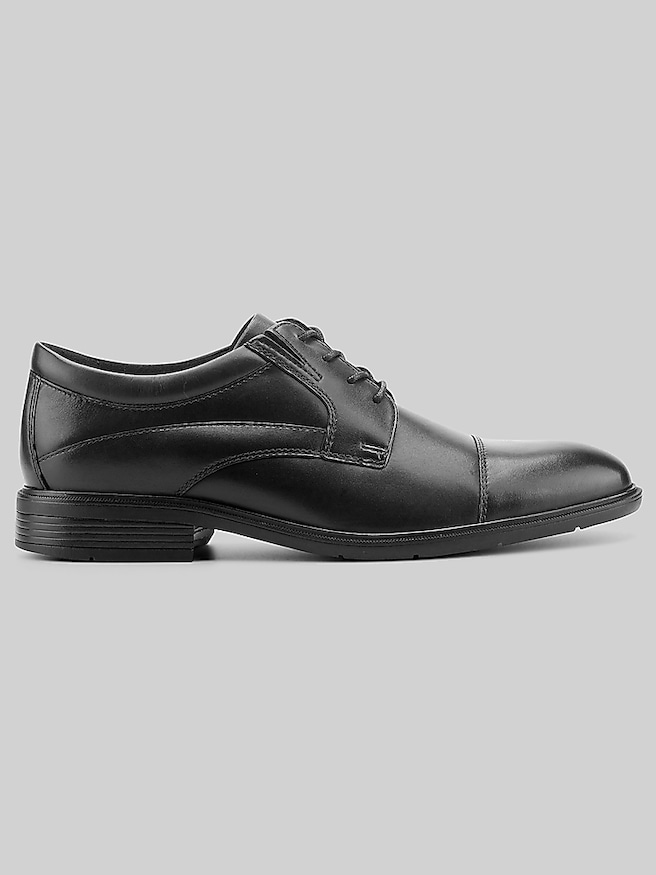
Fit makes the difference between a sweater that simply adds warmth and one that belongs in a dressier winter wardrobe. Shoulder seams should sit close to the natural shoulder, sleeves should fall neatly at the wrist, and the body should follow the torso without pulling across the chest or collecting in deep folds at the waist. A hem that rests around the waistband and upper hip usually creates a balanced line with tailored trousers; excessive length can make the outfit look casual, while a short hem may expose the shirt underneath whenever the wearer reaches or sits. Enough room for a lightweight dress shirt is useful, but extra fabric becomes more noticeable once a jacket goes on. Under a blazer or suit jacket, a fine-gauge knit should allow the sleeves to move comfortably and the jacket front to close without strain. The combination should feel easy when seated at a dinner table, not just look smooth while standing in front of a mirror. Neckline proportions matter, too. A V-neck should frame the shirt and tie rather than reveal a broad expanse of undershirt, and a turtleneck should sit comfortably without sagging or pressing tightly against the neck. Color provides another way to keep the overall effect intentional. Black, charcoal, navy, and deep brown create a restrained foundation, while burgundy, forest green, and cream can introduce depth without relying on bold patterns. A charcoal sweater with gray trousers gives a subtle tonal effect; a cream knit beneath a dark jacket brings more contrast and makes the texture easier to see. Smooth wool trousers support a more formal impression, while neatly pressed, tailored cotton trousers can suit a less traditional dinner setting. Footwear carries that distinction through to the finish, and Mens Winter Formal Shoes can help complete an outfit built around refined knitwear. A tidy trouser break and well-maintained leather keep the softer sweater from making the entire combination feel too relaxed.
Durability in men’s winter formal sweaters comes from a combination of fiber quality, sound construction, appropriate fit, and consistent care. A higher price is not the only indicator of lasting wear, and softness alone does not reveal how well a knit will retain its shape. Even stitching, secure seams, resilient cuffs, and a neckline that settles back into place are useful details to consider. Friction at the underarms, sides, and cuffs can cause pilling in wool and cashmere, including well-made knits; gentle removal with a suitable sweater comb or fabric-care tool can improve the surface without aggressive pulling. Following the care label is essential because similar-looking sweaters may require different treatment. Some tolerate a delicate machine cycle, some call for hand washing, and others require professional cleaning. When washing is permitted, appropriate detergent, gentle handling, and drying flat help protect the knit’s proportions. Hanging a damp sweater can stretch the shoulders and lengthen the body, while high heat may cause shrinkage or damage certain fibers. Between wears, airing a sweater in a clean, dry space can help freshen it without unnecessary washing. Folded storage supports its shape, and clean, thoroughly dry storage helps protect wool and cashmere when they are not being worn. For someone building a dressier wardrobe, these practical details are part of the appeal: a well-cared-for sweater can serve at a client dinner, a winter celebration, or an evening concert without feeling tied to a single event. It can also make a thoughtful gift for a partner, relative, friend, or colleague whose personal style leans toward understated tailoring. Familiar necklines, comfortable fibers, and colors that already appear in the recipient’s wardrobe are often more useful than an unfamiliar statement design. Sensitivity to wool, preferred layering habits, and the willingness to follow a particular care routine matter just as much as appearance. The most successful choice feels comfortable through a full evening, holds a clean line beneath a jacket, and looks considered when that jacket comes off.