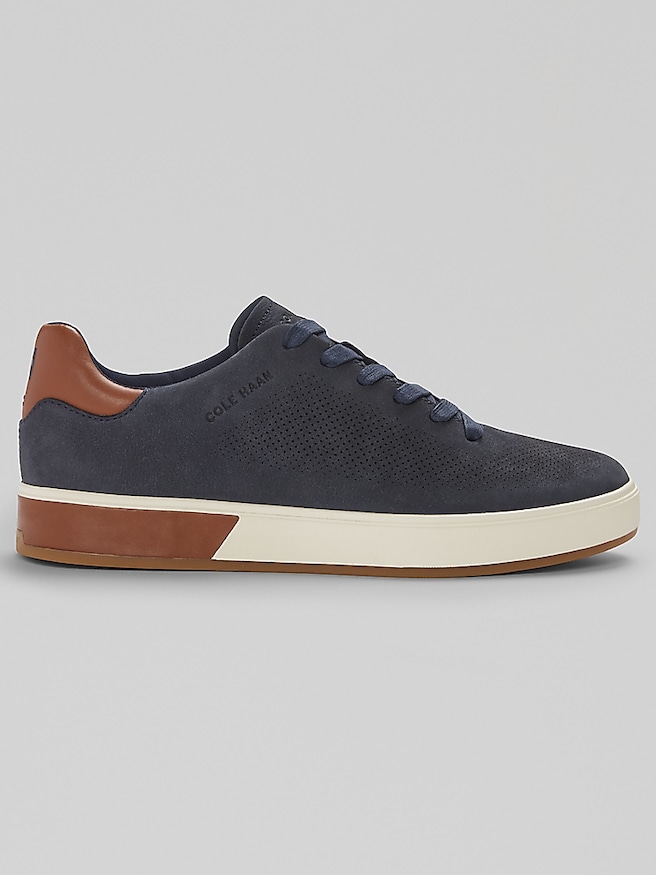
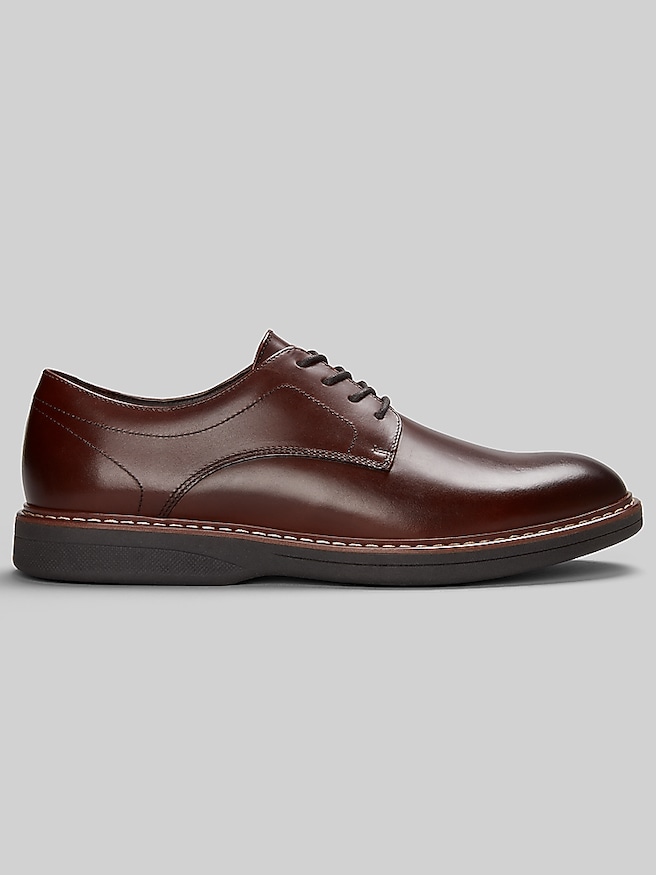
Men’s white sneakers for work bring a clean, understated look to offices with relaxed or business-casual dress codes. Smooth leather uppers, restrained stitching, and a streamlined sole tend to sit comfortably alongside chinos, tailored trousers, polos, and button-down shirts. For jobs that involve extended standing or frequent walking, cushioning, secure fit, and workplace-appropriate traction matter more than appearance alone. White sneakers are not automatically suitable for every role: a client-facing office may expect traditional dress shoes, while a service or industrial setting may require footwear with specific safety features. Within a sneaker-friendly workplace, the most versatile designs usually keep the details simple. A low-profile shape and minimal contrast help the shoes complement an outfit rather than dominate it, especially with navy trousers, charcoal pants, or dark denim where permitted. White also creates a noticeable contrast at the hem, so the condition of the shoes becomes part of the overall impression. Smooth leather can provide a polished surface that is relatively straightforward to wipe clean, although its feel and maintenance needs depend on the finish. Synthetic uppers offer another option, with flexibility, breathability, and cleaning requirements varying by construction. Canvas has a softer, more casual character that often suits creative studios and less formal offices, but its texture can hold visible dirt. For an adjustable closure that works with both casual and tailored outfits, men’s white lace-up sneakers allow the upper to be secured across the instep. Matching white laces maintain a consistent appearance, while neat lacing and tucked-away excess keep the finish tidy. Pant length makes a difference, too: a clean hem with little excess fabric allows the sneaker’s shape to remain visible without bunching around the ankle. The result can feel relaxed without looking unfinished, whether the day involves desk work, an informal presentation, or lunch with colleagues. A blazer can sharpen that combination when the workplace allows it, while a knit polo keeps the same shoes comfortably on the casual side of office dressing.
Comfort becomes especially important when the workday includes a walk from the parking garage, time at a standing desk, and repeated trips between meeting rooms. A suitable fit holds the heel securely without rubbing and leaves enough room for the toes to move without pressing against the front or sides. The upper should feel supportive rather than tight across the widest part of the foot. Trying shoes with the socks intended for work gives a more useful sense of fit than relying on the size number alone, since shape and interior volume vary between designs. Both feet need attention, particularly when one is slightly larger than the other. Laces can fine-tune the fit, but they cannot make a narrow toe box wider or turn an oversized shoe into a secure one. Cushioning should feel comfortable underfoot without allowing excessive movement inside the shoe; an especially soft footbed is not necessarily the best match for every wearer or task. A stable heel, a flexible forefoot, and enough interior depth for any prescribed orthotic may be more useful than softness alone. Removable insoles can offer flexibility for people who use their own inserts, provided the replacement does not crowd the foot or lift the heel too high. Shoes intended for long periods of standing should be evaluated for that use rather than selected solely because they resemble an office-ready sneaker. In food service, hospitality, healthcare, or other active settings, required features may include documented slip resistance, easily cleaned surfaces, or additional protection. A textured rubber outsole does not by itself establish that a shoe meets an employer’s slip-resistance requirements, and ordinary white sneakers should not replace required protective footwear. Workplace standards come first. For an office commute followed by mostly seated work, the priorities may instead be comfortable walking, a breathable interior, and a shape that stays secure when moving quickly between appointments. Comfortable shoes should not depend on enduring pinching, numbness, or persistent heel rubbing before they become wearable.
Keeping white work sneakers presentable involves regular, material-appropriate care rather than an occasional aggressive scrub. Dust and surface dirt are easier to address before they settle into stitching, textured panels, or the edge where the upper meets the sole. A soft brush or cloth can remove loose debris, followed by cleaning that matches the manufacturer’s directions. Smooth finished leather may tolerate a lightly damp cloth, while suede, nubuck, canvas, and coated synthetic materials can require different methods. A cleaner suitable for one upper may discolor or damage another, so checking care instructions and testing an inconspicuous area helps protect the finish. Laces often collect dirt separately from the upper; cleaning them according to their care directions can refresh the appearance without treating the entire shoe. Excess water, harsh chemicals, and direct heat can affect adhesives, coatings, and shape, and machine washing should be reserved for footwear specifically labeled for it. After cleaning, shoes should dry fully with normal airflow before being worn again. Durability depends on more than the thickness of the sole: consistent stitching, secure joins, a resilient outsole, and a lining that resists rubbing all contribute to how a sneaker holds up through repeated use. Creasing across the forefoot is a normal result of movement, but separating seams, uneven outsole wear, and compressed cushioning deserve attention. A shoe can still look reasonably clean after its comfort or traction has declined. Alternating pairs when practical gives the interior time to dry between wears, while loosening the laces before taking shoes off helps avoid crushing the heel counter. Storage away from direct sunlight can help preserve the finish. For someone starting an office role, returning to an in-person workplace, or building a more versatile business-casual wardrobe, white sneakers can also make a useful gift when the recipient’s size, fit preferences, and dress code are known. Their appeal rests on that combination of simple styling and everyday function: enough polish to work with tailored clothing, enough ease for routine movement, and construction suited to the demands of the actual job.