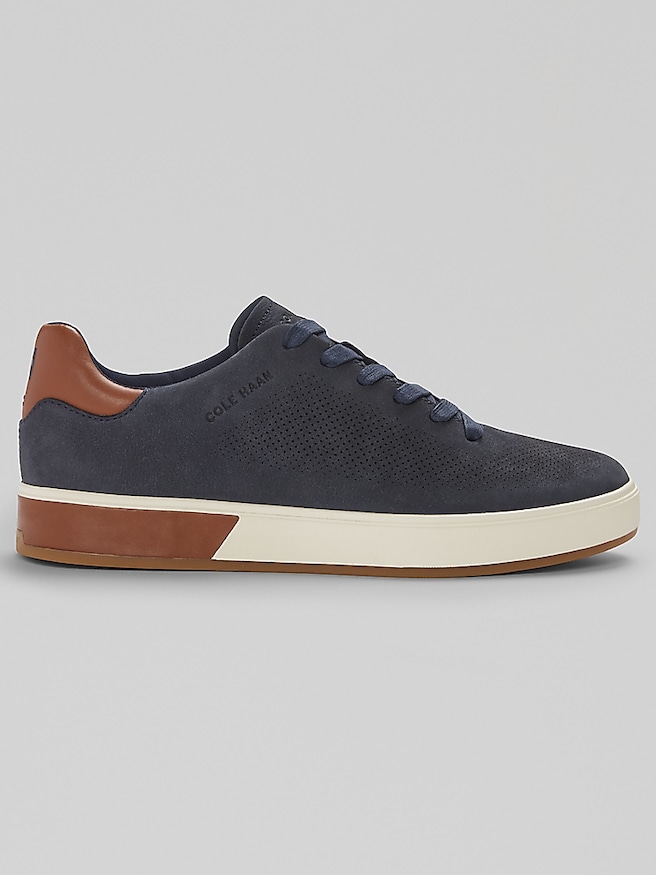
Men's white athletic sneakers bring a clean, versatile look to footwear designed for movement, with options ranging from everyday walking styles to shoes built for specific activities. Their defining qualities often include cushioned midsoles, supportive uppers, secure lace closures, and outsoles shaped for the demands of their intended use. The distinction between athletic styling and athletic performance matters: a sneaker with a sporty profile can be comfortable for commuting and casual outings without being engineered for distance running, court play, or strength training. Running shoes generally emphasize cushioning and forward movement, while court and training footwear may place greater emphasis on lateral stability or a grounded base. Everyday athletic sneakers occupy a useful space for men whose schedules include a walk to the office, time on their feet, and an informal dinner afterward. White keeps the overall appearance crisp and easy to coordinate, especially when the upper and sole have similar tones. Subtle panels, tonal stitching, and textured mesh add definition without requiring bold color contrasts. Within the broader category of Men's White Sneakers, athletic silhouettes tend to offer a more relaxed, movement-oriented appearance than streamlined casual styles. They pair naturally with joggers, straight-leg jeans, and casual shorts, but they can also complement chinos and an unstructured jacket when the setting allows informal footwear. The proportions make a difference: a substantial sole balances fuller pants, while a lower-profile shape sits neatly beneath a tapered hem. Pants that finish without bunching over the shoe allow the white upper and its detailing to remain visible. For offices with relaxed dress expectations, a restrained design with minimal contrast can feel intentional rather than gym-bound. A white athletic sneaker is not a substitute for formal footwear, but it can make everyday outfits feel lighter and less rigid while retaining a tidy, considered finish.
Materials influence both the appearance and the feel of men's white athletic sneakers. Mesh and knit uppers often allow more airflow and can flex easily around the forefoot, making them appealing for walking and other activities where a light feel matters. Leather uppers generally have a smoother, more structured appearance, while synthetic materials can provide a consistent finish and reinforce areas exposed to friction. Mixed-material construction may combine a breathable forefoot with overlays around the heel or laces, although the exact benefits depend on the shoe's design. A padded collar can soften contact around the ankle, and a well-positioned tongue helps keep the laces from pressing directly against the top of the foot. Underfoot, foam cushioning changes how the shoe feels with each step; a softer sensation is not automatically better than a firmer one, especially when stability is important. The outsole also deserves attention. Rubber placement and tread geometry affect grip and wear, but traction depends on the surface and should not be assumed from an athletic appearance alone. Fit brings all of these details together. A comfortable pair holds the heel securely without rubbing, leaves room for the toes to spread, and avoids pressure across the widest part of the foot. Roughly a thumb's width beyond the longest toe is a common starting point for athletic footwear, though the intended activity and the manufacturer's sizing guidance still matter. The socks worn with the shoes can change the fit noticeably, particularly when moving between thin everyday socks and more cushioned athletic pairs. Insoles or orthotics also take up space, so sufficient interior depth can be as important as length. Laces should secure the midfoot without having to be pulled so tightly that the upper folds or the top of the foot feels compressed. A brief walk can reveal heel movement, forefoot pinching, or an awkward flex point that standing still may not expose. The best fit feels secure and natural without depending on a long break-in period to resolve obvious discomfort.
Keeping white athletic sneakers looking presentable comes down to care suited to their materials and construction. Loose dust and grit are easier to remove before they settle into textured uppers, stitching, and the edge where the upper meets the sole. A soft brush or dry cloth can handle surface debris, followed by gentle spot cleaning when permitted by the manufacturer's care directions. Smooth leather, woven fabric, knit, and synthetic overlays may need different treatment, so one cleaning method is not suitable for every pair. A lightly dampened cloth and an appropriate mild cleaner can be useful for compatible surfaces, while aggressive scrubbing may roughen fabric or damage a finish. Laces can often be cleaned separately, and cleaning the visible edge of the midsole can noticeably freshen the overall appearance. Saturating shoes, using harsh bleach, or placing them near direct heat can affect color, adhesives, and shape; machine washing is appropriate only when the care instructions allow it. Allowing footwear to air-dry fully between uses helps manage interior moisture, and breathable storage keeps the pair from remaining enclosed while damp. Durability depends on more than whether the upper still looks white. Areas that bend repeatedly, heel linings, outsole contact points, and the cushioning beneath the foot all experience wear at different rates. Flattened tread, separated seams, a worn-through lining, or cushioning that no longer feels consistent can signal declining function even when the shoes remain visually tidy. Using footwear for its intended activity helps avoid unnecessary strain on components designed for different movements. For gifting, men's white athletic sneakers can suit someone who values casual dressing, takes regular walks, travels frequently, or prefers one neutral color across many outfits. Size, width, usual activity, and preferred cushioning feel make the gift more personal than color alone. A dependable everyday pair earns its place through a balance of comfort, appropriate support, practical care, and a shape that fits comfortably into the wearer's routine.