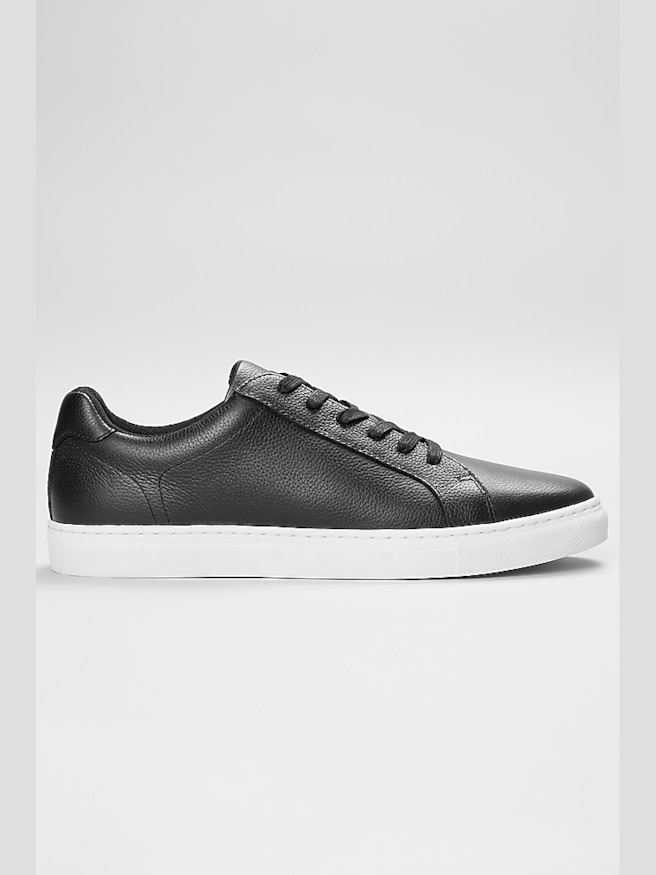
Men’s weekend shoes are casual footwear for off-duty plans, from sneakers and loafers to driving shoes, casual oxfords, and relaxed boots. The right pair feels at home on a coffee run, a walk through a museum, or dinner at a neighborhood restaurant, with enough comfort for the time spent on foot and enough polish for the setting. Low-profile sneakers offer a clean, easygoing look with jeans, chinos, and casual trousers, while loafers add a more finished touch without requiring a dressy outfit. Casual lace-ups bridge those looks, especially when a textured upper or substantial sole gives familiar tailoring a less formal feel. Boots bring a stronger outline that works well with denim and other substantial fabrics, though their weight and flexibility matter when plans involve plenty of walking. Low-profile styles such as Mens Driving Shoes pair naturally with chinos and a knit polo for a lunch reservation or a relaxed evening out. Their flexible construction and close-to-the-foot shape offer a distinct feel, but lightly built driving soles generally suit shorter outings better than hours on hard pavement. Color and proportions also help determine how easily casual shoes fit into an existing wardrobe. Brown and tan shades complement blue denim and earth tones, black creates a sharper contrast, and understated neutral sneakers leave room for patterned shirts or textured layers. A slim shoe usually sits neatly beneath a tapered pant opening, while a broader shape balances a straighter leg. Weekend footwear does not need to look athletic to feel relaxed, nor does it need a dress-shoe finish to look considered. For someone moving between errands, a casual get-together, and an evening reservation, a versatile silhouette often makes more sense than footwear suited to only one stop. The most useful choice reflects the wearer’s actual routine rather than an outfit that rarely leaves the closet.
Materials and construction influence how men’s casual shoes feel from the first wear and how they hold up over time. Smooth leather brings structure and a surface that can often be wiped clean, making it a practical choice for regular wear when maintained according to its finish. Suede has a softer, more textured appearance that works especially well with denim, brushed cotton, and knitwear, though it needs care suited to its raised nap. Canvas gives sneakers a straightforward, relaxed character, while mesh panels can encourage airflow and reduce the weight of an upper. Synthetic materials vary widely: some prioritize easy surface cleaning, others flexibility or a particular texture, so the material name alone does not tell the whole story. Linings, seams, footbeds, and outsoles all contribute to the experience. A smooth interior helps limit rubbing, a padded collar can soften contact around the ankle, and cushioning can reduce the hard feel of pavement without necessarily providing the structure needed for longer walks. Rubber outsoles commonly bring flexibility and traction, although grip depends on the compound, tread, surface, and wear. Fit deserves the same attention as appearance. Toes need room to move without the foot sliding forward, the widest part of the foot should align comfortably with the widest part of the shoe, and the heel should feel secure without pinching. Lace-up styles allow adjustment across the instep, while slip-ons depend more heavily on the match between the shoe’s shape and the wearer’s foot. The socks intended for everyday wear can change that fit noticeably. Trying shoes with those socks and walking on a clean indoor surface gives a more useful impression than judging comfort while seated. Leather may soften with wear, but persistent pressure, cramped toes, or painful seams are not a sound starting point. For longer outings, a stable platform and comfortable flex through the forefoot matter more than an unusually soft first step.
Everyday durability comes from matching the shoe to its use and giving its materials appropriate care. A lightweight slip-on may be ideal for a short drive and brunch, while a securely fastened walking-oriented sneaker is often a better match for an afternoon exploring a large museum or shopping district. Casual boots can provide a reassuringly substantial feel, but extra weight is worth considering for travel days with long corridors and extended standing. For a weekend away, footwear that works with several outfits helps keep packing simple; a clean, understated pair can move from a daytime stop to a casual dinner without drawing attention away from the rest of the outfit. Repeated wear leaves clues about comfort and condition. Compressed cushioning, a worn-smooth outsole, or a heel that no longer holds its shape can change how a familiar pair feels, even when the upper still looks presentable. Care also varies by material. Smooth leather generally benefits from gentle cleaning and a compatible conditioner used as directed, while suede calls for a suitable brush rather than the same creams used on polished leather. Fabric shoes need cleaning methods approved for their construction; machine washing can affect adhesives, shape, or trim unless the care instructions specifically allow it. Drying away from direct heat helps protect materials, and removing loose dirt before storage keeps grit from lingering in seams and textured surfaces. Allowing shoes to air between wears gives the lining time to dry, while shoe trees can help suitable leather styles retain their shape. Men’s weekend shoes can also make a thoughtful gift for someone whose casual wardrobe gets plenty of use, especially when the recipient’s preferred size, width, and silhouette are known. A familiar shape in a versatile color is often easier to work into daily life than a dramatic departure from personal style. Whether chosen for regular errands, relaxed gatherings, or time away, well-fitting casual footwear earns its place through comfort, useful versatility, and a finish that suits the wearer.