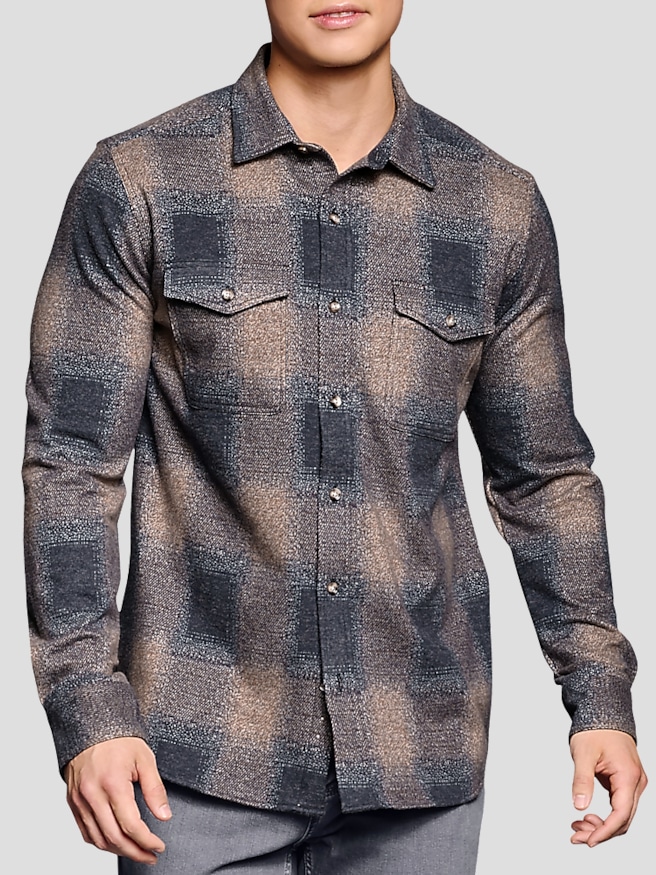
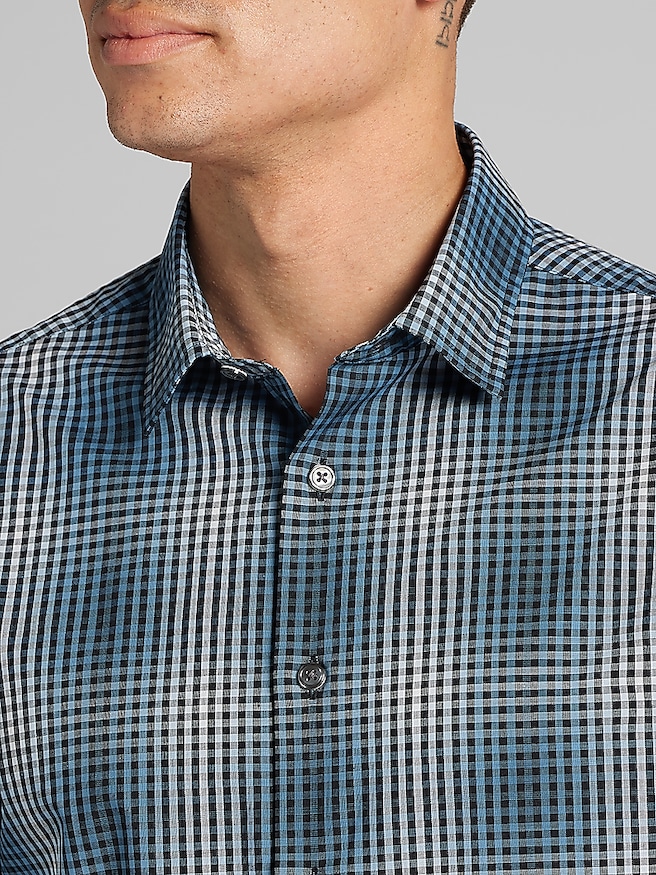
Men’s weekend shirts bring a relaxed feel to everyday dressing, with casual button-front shirts, camp-collar styles, polos, henleys, and tees suited to plans that do not call for formal attire. The appeal is versatility: a shirt can feel comfortable over breakfast at home, look put together for lunch with friends, and still make sense for a casual dinner. Button-front styles offer familiar structure without the formality of a dress shirt, while an open camp collar creates a more laid-back look. A polo sits comfortably between the two, pairing a defined collar with the ease of knit fabric. Henleys and tees keep the silhouette simple and work well alone or underneath an unbuttoned overshirt. Each style brings something useful to a casual wardrobe, whether the preference is a clean, understated outfit or a shirt with a little more personality. Solid navy, gray, olive, and white are easy companions for denim and chinos, while stripes, checks, and small-scale prints add interest without requiring much else. A muted plaid with dark jeans has a different character from a crisp striped shirt with tailored casual pants, even when both outfits take very little effort. Texture matters, too: a subtly slubbed knit, a woven check, or a softly brushed surface can give a simple outfit depth. For a restaurant reservation, a neat collar and a smooth front help a casual shirt feel intentional; for a backyard gathering or an afternoon browsing a bookstore, a relaxed shape may be the better match. Sleeve length, collar shape, and hem design all influence that balance. Short sleeves keep the outline simple, while long sleeves offer more styling flexibility. Rather than needing a separate shirt for every stop on the calendar, a useful weekend wardrobe combines a few complementary shapes that work with the pants and shoes already in regular rotation.
Fabric and fit make the biggest difference in how a weekend shirt feels after several hours of wear. Cotton is a familiar choice because it is soft, breathable, and used in everything from smooth jersey tees to textured Oxford weaves. The weave changes the experience: Oxford cloth has noticeable texture and substance, while poplin typically has a smoother surface and a cleaner drape. Linen has a distinct woven character and natural creasing that suits relaxed dressing, and cotton-linen blends can balance that texture with a softer feel. Knitted fabrics tend to move easily with the body, while woven shirts offer a more defined shape. Blends that include stretch fibers can provide extra give across the shoulders and elbows, particularly for a day spent driving, walking, and sitting around a table. Performance fabrics may offer moisture management or wrinkle resistance, though those qualities depend on the fabric and finish rather than the shirt’s casual appearance alone. For styles centered on lighter fabric construction, Men's Lightweight Weekend Shirts offer a more focused direction within the broader category. Regardless of material, an easy fit should allow movement without leaving excessive fabric through the torso. On a conventional set-in sleeve, the shoulder seam generally sits near the edge of the shoulder; a deliberately dropped shoulder creates a looser silhouette. A buttoned front should lie reasonably flat rather than pull open across the chest or form tight lines around the buttons. Sitting down and reaching forward can reveal tightness that is less obvious while standing still. Hem length is especially important for an untucked shirt: a shorter, balanced hem usually looks more natural over pants, while a long dress-shirt tail can overwhelm a casual outfit. Sleeve openings deserve attention as well, with enough room for comfortable movement but not so much width that the proportions feel disconnected from the rest of the shirt.
The most useful men’s weekend shirts are also practical to live with, which makes care requirements and construction worth considering alongside appearance. Machine-washable fabrics can simplify regular wear, but the care label remains the best reference for washing, drying, and pressing. Cotton may shrink with excessive heat, linen often benefits from gentle handling and a light press when a smoother finish is preferred, and stretch blends can need lower drying temperatures to help preserve their shape. A shirt does not have to look freshly pressed to look cared for: smoothing the collar, straightening the placket, and removing it promptly from the dryer can make a noticeable difference when the label permits tumble drying. Knit shirts often keep their shape better when folded, while woven shirts can be hung on supportive hangers to reduce unnecessary creasing. Durability shows up in small details, including even stitching, securely attached buttons, tidy buttonholes, and seams that lie flat without puckering. Reinforcement at stress points can be helpful, particularly on shirts worn frequently or packed for trips. For an overnight visit, a patterned button-front shirt that works with both jeans and chinos can reduce the need for extra outfits, while a plain tee or polo provides another option without adding much complexity. An overshirt worn open over a tee offers flexibility without making the outfit feel formal. Weekend shirts can also make thoughtful gifts for a father, partner, brother, or friend when the choice reflects how that person actually dresses. A familiar fit, a preferred sleeve length, and colors already present in the recipient’s wardrobe are more useful clues than an unfamiliar trend. Someone who nearly always wears solid colors may appreciate subtle texture, while a person comfortable with prints may enjoy a restrained geometric pattern or an expressive camp-collar style. Whether intended for daily downtime, casual get-togethers, or a few days away, the strongest choices combine a comfortable cut, suitable fabric, and a level of upkeep that fits naturally into everyday life.