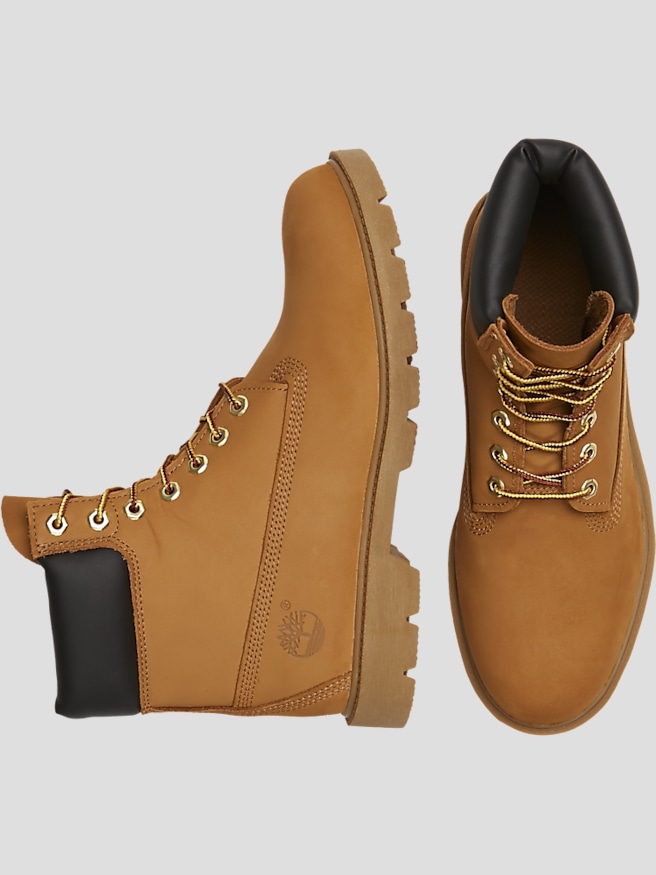
Men’s weatherproof boots are made for the days when ordinary footwear falls short—when sidewalks are slick, trails are muddy, wind pushes cold air through every opening, or a morning commute begins with a layer of frost underfoot. This category includes practical boots for everyday wear, sturdy styles suited to outdoor work, and supportive hiking options designed for uneven ground. While “waterproof” generally indicates a boot built to resist water through treated materials, sealed seams, gusseted tongues, and protective membranes, “weatherproof” is a broader term that can also include insulation, wind resistance, durable construction, and traction for changing conditions. The right pair depends on how you expect to use it. A commuter may value a streamlined silhouette that works with jeans, chinos, or casual trousers, while someone spending long hours outdoors may prioritize reinforced toe and heel areas, substantial leather or synthetic uppers, and an outsole designed to grip wet pavement, packed dirt, or loose gravel. For trail walking, look for a boot that balances protection with manageable weight, along with cushioning and ankle support that help reduce fatigue over distance. A boot intended for demanding work should feel stable and secure, with construction that can withstand repeated contact with rough surfaces. Weatherproof boots can also be a thoughtful gift for a man who spends weekends outdoors, travels frequently, walks to work, or prefers having dependable footwear ready when conditions turn unpleasant. They are especially useful for someone building a versatile cold-weather wardrobe, since one well-chosen pair can move from a damp morning commute to a casual dinner without looking out of place.
Fit deserves as much attention as water protection. Try to leave enough room for natural movement in the toes without allowing the heel to lift excessively, and remember that thicker socks can change the feel of a boot once cooler conditions arrive. A comfortable fit should hold the foot securely through the instep and around the ankle while allowing the toes to flex as you walk. If you plan to wear the boots for hiking or work, consider how much time you will spend standing, climbing, or moving across uneven ground; a supportive collar and cushioned footbed can make a noticeable difference by the end of the day. Insulation is another important consideration. Lightly insulated boots may be more versatile for daily wear and transitional weather, while warmer linings are helpful for prolonged exposure to cold conditions. Breathability matters, too, since moisture inside a boot can be just as uncomfortable as rain outside it. Outsoles with deep, well-spaced lugs can shed mud and provide traction, while flatter patterns may feel more natural on city streets and indoor floors. Pay attention to toe protection if the boots will be used around tools, equipment, or heavy materials, and review the construction carefully when workplace safety requirements apply. Features such as a safety toe, slip-resistant tread, electrical hazard protection, or puncture resistance are not interchangeable, so the boot should match the specific demands of the job rather than simply appear rugged. For casual use, comfort, flexibility, and a clean shape may matter more than industrial features. Pair weatherproof boots with denim, corduroy, utility trousers, or sturdy casual pants, and choose a shaft height that works with the proportions of your wardrobe. Darker colors tend to blend easily into everyday outfits, while textured leather and rugged detailing can add character to simple cold-weather layers. On especially wet days, complete the look with dependable outerwear such as Men's Black Weatherproof Jackets for practical coverage from head to toe.
A little care helps weatherproof boots remain comfortable and dependable through the cooler months. After walking through rain or slush, brush away grit and wipe the uppers with a soft, damp cloth rather than placing the boots directly against a radiator or using intense heat, which can dry leather and weaken adhesives. Remove the insoles when possible and allow the boots to dry naturally in a well-ventilated area. Leather styles benefit from conditioners or waterproofing treatments made for their specific finish, while textile and synthetic materials should be cleaned according to the care instructions so coatings and membranes remain effective. Keeping the laces clean and checking the tread periodically can also extend the useful life of a pair. Weatherproof boots are most useful when they fit the rhythm of real life: pulling on before a predawn dog walk, standing comfortably through a long day outdoors, crossing wet parking lots, or taking a scenic path after the ground has softened from rain. For a gift, consider the recipient’s routine, preferred activities, and usual clothing before focusing on appearance alone. Someone who spends weekends on wooded trails may appreciate lighter support and aggressive traction, while a city commuter may prefer a polished profile that transitions easily from the train platform to the office. A person working outdoors may need additional durability and safety features, whereas a frequent traveler may value a lighter pair that packs and dries easily. Choosing the right weatherproof boots means matching protection to the conditions, support to the activity, and style to the wearer’s everyday wardrobe. With those details in mind, a dependable pair can offer comfort and confidence whenever cooler air, wet ground, and unpredictable weather become part of the day.