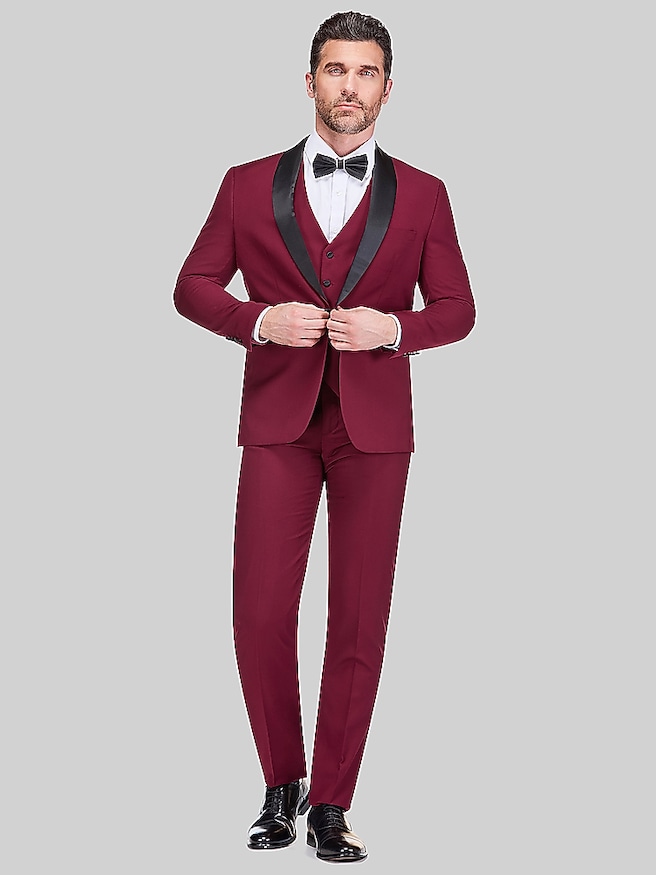
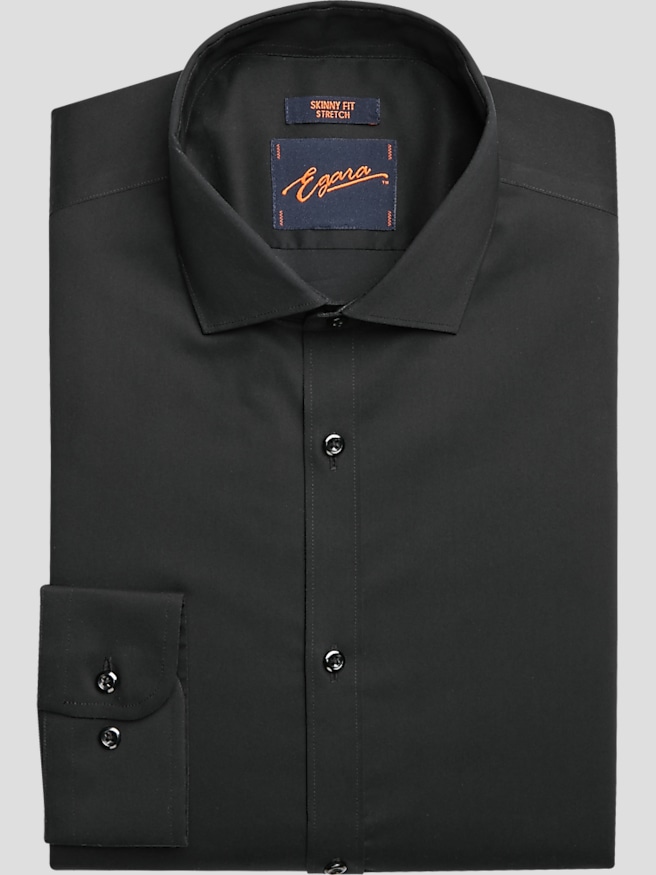
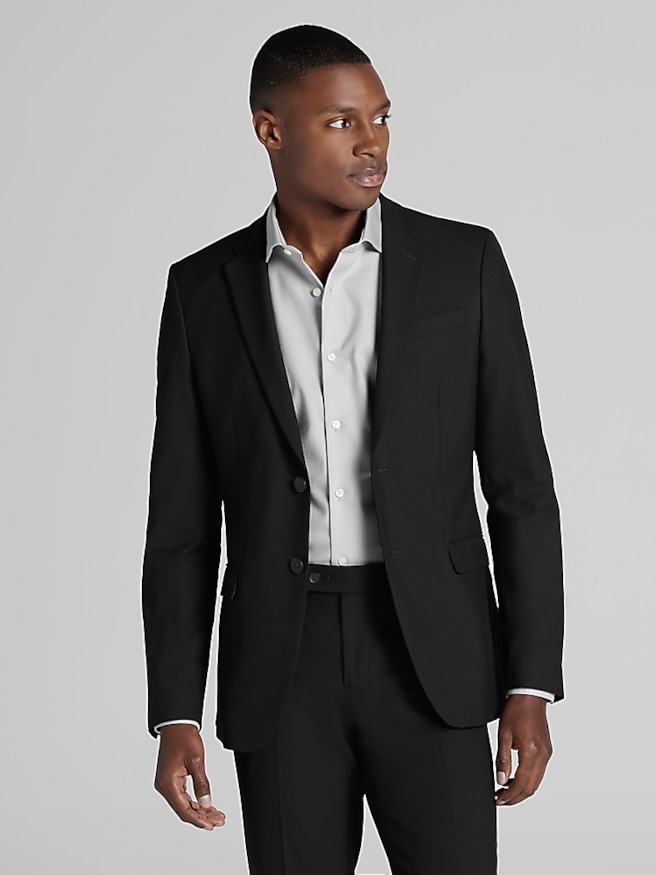
Men’s Valentine’s weekend outfits bring together polished clothing, comfortable layers, and personal details for plans ranging from a candlelit dinner to a casual brunch. The right level of dress depends on the setting: a dark suit feels appropriate for an upscale restaurant or an evening performance, while a sport coat with chinos strikes a more relaxed note for dinner and drinks. Navy, charcoal, and black provide a versatile foundation, with burgundy, muted rose, or deep red adding a subtle connection to Valentine’s Day. A white or light-blue dress shirt keeps a tailored outfit crisp without competing with those accents. Leather lace-up shoes and a belt in a complementary shade create a cohesive finish; a textured tie or pocket square adds interest without requiring an elaborate pattern. For a restaurant with a less formal atmosphere, an unstructured blazer over a fine-gauge sweater offers a softer alternative to a shirt and tie. Tailored trousers maintain a clean silhouette, while loafers or streamlined Chelsea boots keep the outfit from feeling overly businesslike. Casual Valentine’s weekend outfits can be just as intentional. Dark denim, a cotton shirt, and a well-proportioned overshirt work for a neighborhood café, a movie, or an afternoon spent exploring a favorite part of town. Minimal sneakers suit a relaxed setting, especially when their uppers and soles are clean. A knit polo or crewneck sweater can also bridge the space between dressed up and laid back, particularly with chinos that sit neatly over the shoes. The most convincing combinations leave room for the wearer’s usual style rather than turning the holiday into a costume. One rich accent often says more than several competing details, and familiar colors make it easier to reuse each piece beyond the occasion. For more ways to bring these combinations together, explore Best Valentine's Day Outfits For Men.
Fabric and fit shape how Valentine’s weekend clothing looks and feels over several hours of wear. Wool and wool-blend tailoring offers a refined drape, and many wool fabrics recover well from light creasing after time on a hanger. Lining, fabric weight, and construction also influence comfort, so a jacket’s appearance alone does not tell the whole story. Cotton shirts provide a familiar, breathable base; a smooth weave reads dressier, while an Oxford weave brings visible texture to casual combinations. Fine-gauge merino wool knitwear adds warmth without the bulk of a chunky sweater, making it useful beneath a blazer. Cotton knitwear offers another option for indoor plans or anyone who prefers a lighter layer. A small amount of stretch in trousers can make sitting through dinner or walking between venues more comfortable, though enough room through the seat and thighs remains important. A close fit should follow the body without restricting movement. Jacket shoulders look best when they align with the wearer’s shoulders, and the front should close without pronounced pulling around the button. Shirt collars need room to sit comfortably at the neck, particularly when worn with a tie. Sleeves should allow easy movement without gathering heavily beneath a jacket. Trousers with a clean line through the leg look polished whether the preferred silhouette is slim, tailored, or more relaxed; pockets that flare open and fabric that pulls across the hips can indicate an overly tight fit. A hem that meets the shoe with little or moderate break keeps the lower half tidy without excessive stacking. These details become especially noticeable in real situations: reaching across a table, sitting in a theater seat, or putting a coat over a blazer. Layering works best when each piece has enough room for the one beneath it. A thin sweater under a sport coat creates a smoother line than a bulky knit squeezed into a close-fitting jacket, while a neatly finished neckline keeps an outfit looking complete when the outer layer comes off.
Versatility matters when Valentine’s plans extend across a whole weekend rather than a single evening. A pair of tailored trousers can accompany a dress shirt at dinner and a relaxed knit the next day, while a neutral blazer can bring structure to both chinos and dark denim. Repeating a restrained color palette helps these pieces work together without making every outfit look identical. Texture supplies variety: the soft surface of knitwear, the crispness of cotton shirting, and the smooth finish of leather footwear each contribute something distinct. Clothing intended for repeated wear also benefits from sound construction, including secure buttons, even stitching, stable seams, and fabric that returns to shape after movement. Care helps preserve those qualities. The garment label determines whether washing, hand washing, or professional cleaning is appropriate, and separating light and dark fabrics helps protect shirt colors. Knitwear generally holds its shape better when folded for storage rather than left hanging, and gentle handling can reduce stretching at the shoulders and neckline. Pilling can occur where fabric rubs against a coat or seat belt; careful use of a suitable fabric comb can improve the surface without pulling at the yarn. Structured jackets benefit from supportive hangers and space to air between wears. Leather shoes need care suited to their finish, while suede requires its own brush and cleaning methods rather than ordinary shoe polish. A little attention before an occasion—checking a loose button, smoothing a shirt, or removing lint—often makes a bigger visual difference than another accessory. Valentine’s clothing can also make a thoughtful gift for a partner, spouse, or someone who enjoys dressing well. Familiar colors, preferred fabrics, and a known size provide a stronger starting point than a dramatic departure from that person’s wardrobe. Soft knitwear or a versatile shirt can feel personal while remaining useful long after the holiday. Whether chosen as a gift or for an upcoming date, the strongest outfit balances the occasion with comfort, dependable construction, and details that feel natural to the person wearing it.