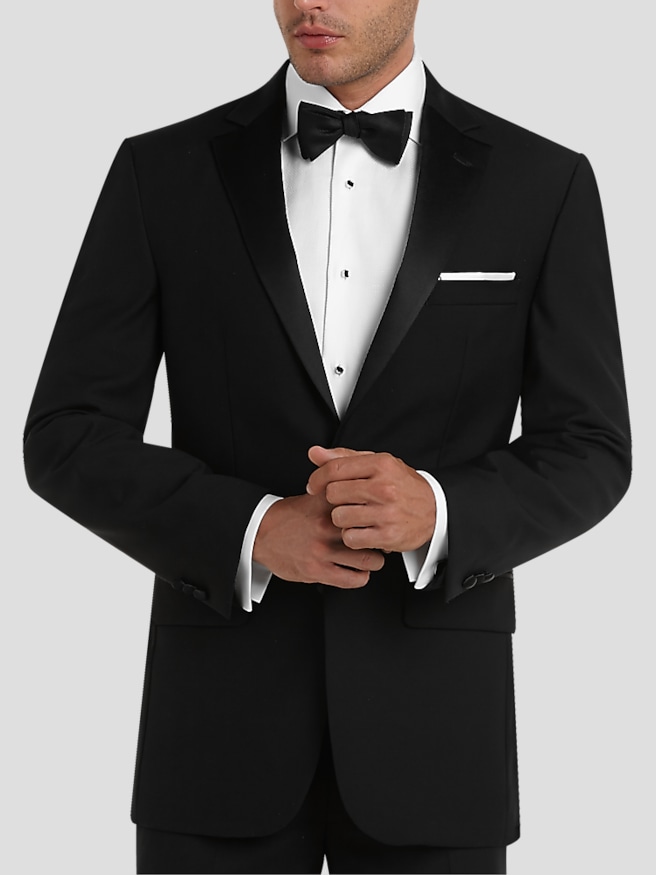
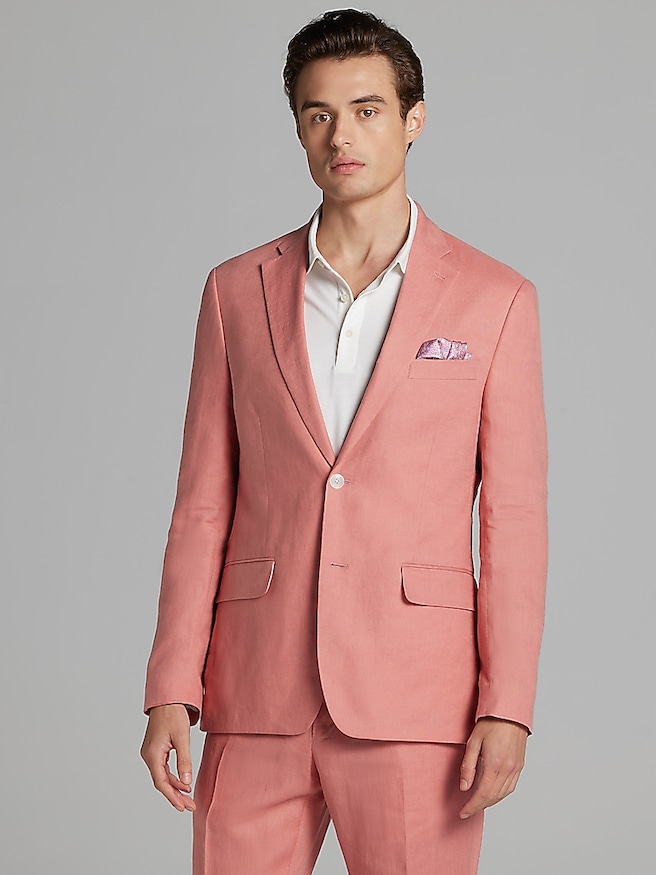
An outfit for Valentine's Day can be as dressed up as a tailored suit or as relaxed as dark jeans with a fine-knit sweater, depending on the setting and the person wearing it. For men, the strongest combinations balance the occasion with familiar style: clean lines, comfortable proportions, and a few details that feel intentional. A dinner reservation at an elegant restaurant may call for a suit and dress shirt, while a neighborhood bistro, concert, or evening at home leaves room for softer layers and more casual fabrics. Navy, charcoal, and black provide a versatile foundation, with burgundy, blush, or deep red adding a connection to the holiday without making the entire outfit feel themed. A pale pink shirt beneath a navy jacket offers a subtle touch of color; a burgundy sweater with charcoal trousers creates a richer, more understated effect. Neutral combinations can feel just as appropriate, especially when texture adds interest through a softly brushed knit, a crisp cotton shirt, or a jacket with a subtle woven pattern. A full matching suit gives the outfit a consistent finish, while a sport coat and separate trousers allow for a less formal mix. Black-tie plans are a distinct occasion, with tuxedo styling appropriate when the invitation or venue calls for it rather than simply because the evening is celebratory. The setting matters, but so does continuity with everyday taste. Someone who usually wears simple, unfussy clothing may feel more at ease in a dark sweater and tailored pants than in a bold patterned jacket. Someone who enjoys dressing up might prefer a tie, a pocket square, or a more pronounced color contrast. Valentine's Day clothing works best when it adds a sense of occasion without turning the wearer into someone unrecognizable. The result should feel equally natural across the table, in a theater seat, or in a photograph taken before heading out.
Fit gives these combinations their structure, particularly when the evening involves sitting through dinner, walking between stops, or spending several hours in the same layers. A jacket should sit smoothly across the shoulders, with lapels resting against the chest rather than pulling outward when buttoned. Sleeves that allow a small amount of shirt cuff to show create a clean transition at the wrist, while trousers should fall neatly without excessive fabric gathering over the shoes. Slim, tailored, and more relaxed silhouettes can all suit Valentine's Day; the distinction is whether the clothing follows the body comfortably rather than squeezing or overwhelming it. A shirt collar needs enough room to sit comfortably at the neck, especially with a tie, and a sweater should leave space for any layer underneath without bunching around the waist or upper arms. Fabric affects the experience just as much as the silhouette. Wool suiting offers drape and breathability, with fabric weight and construction influencing how structured or fluid it feels. Cotton shirting provides a crisp surface and a familiar feel against the skin, while textured cotton fabrics can make a casual outfit look more considered. Fine-gauge knitwear layers neatly beneath a jacket, whereas a thicker knit usually needs more room through the sleeves and chest. Some blended fabrics include stretch that can make movement easier, although fabric content alone does not determine comfort or fit. Smooth linings, secure stitching, and well-finished seams also contribute to how a garment wears over time. For an evening that begins with dinner and ends with a walk or a late performance, clothing that stays comfortable while seated and moving is especially useful. A coordinated outfit does not require every piece to share the same texture: the contrast between a matte sweater, woven trousers, and polished leather can supply depth even within a restrained color palette. Those differences give simple combinations character without relying on large patterns or conspicuous decoration.
Finishing details help connect the clothing to the occasion without competing with it. Leather dress shoes complement a suit or tailored trousers, while understated loafers can soften the formality of a jacket-and-shirt combination. Clean, minimal sneakers may suit genuinely casual plans, provided their shape and condition work with the rest of the outfit. A belt in a compatible leather tone keeps the transition at the waist unobtrusive, and socks that relate to the trousers create a continuous line when seated. A tie or pocket square can introduce a Valentine's Day color in a small dose, with related shades often looking more natural than an exact match across every accessory. These pieces can also make thoughtful gifts for a partner, husband, or boyfriend, particularly when they reflect colors and styles already present in the recipient's wardrobe. Clothing gifts benefit from knowing the recipient's measurements and preferred fit; a familiar collar size or trouser measurement is more useful than guessing from appearance. Care is another part of keeping occasion clothing useful beyond one evening. Garment labels provide the most reliable cleaning instructions, since a lined jacket, a cotton shirt, and a delicate knit may need very different treatment. Brushing suitable wool garments, allowing them to air after wear, and using supportive hangers can help preserve their appearance between cleanings. Knitwear generally keeps its shape better folded than suspended from the shoulders, and stains deserve prompt attention with a method appropriate to the fabric. Shoes also benefit from cleaning and care suited to their material. For more inspiration across dressy and relaxed combinations, explore Best Valentine's Day Outfits For Men. The most useful occasion pieces have a life beyond the celebration, pairing naturally with clothing already worn for dinners, gatherings, and other meaningful plans. A Valentine's Day outfit can feel special at the table and still earn a regular place in the wardrobe afterward.