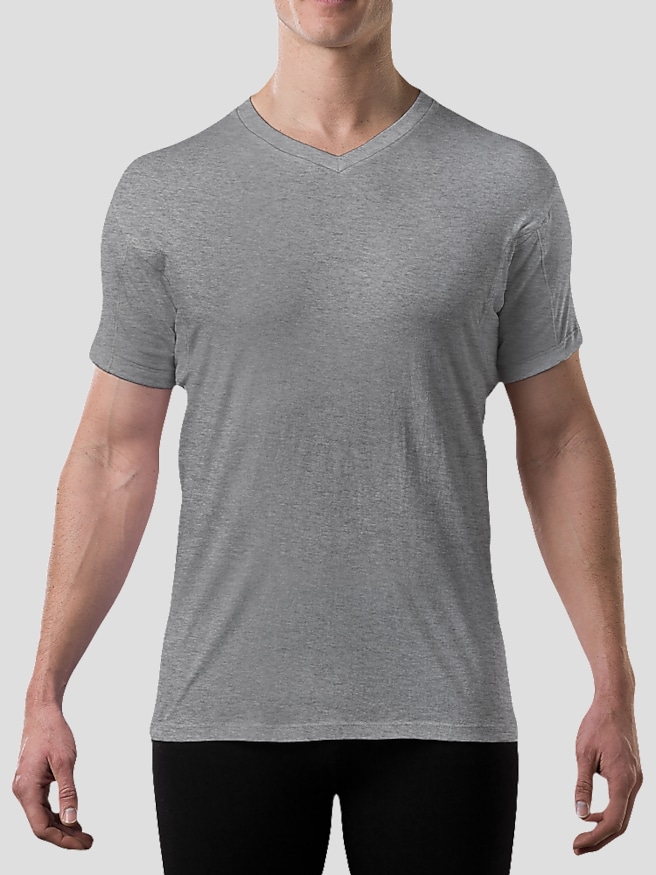
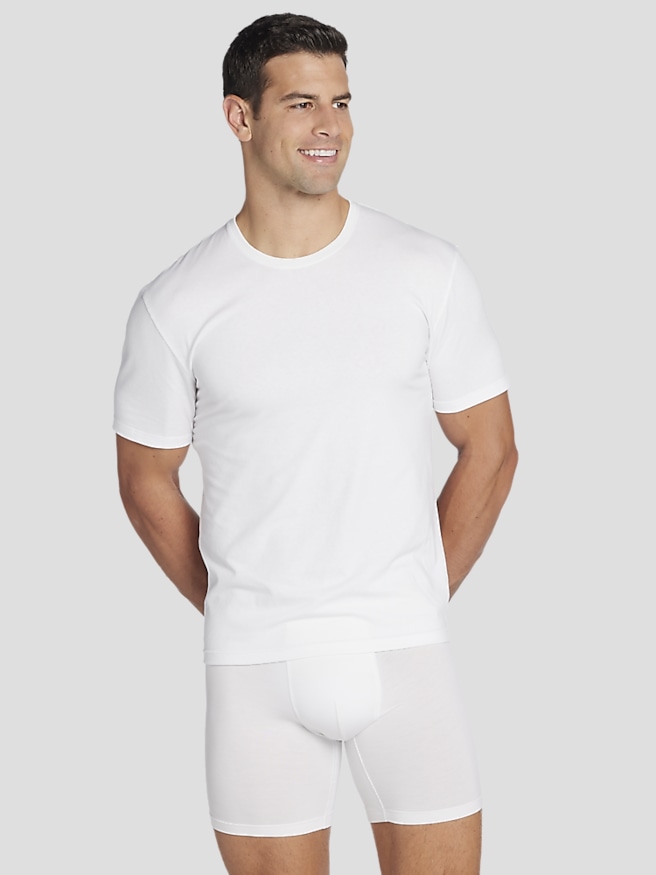
Men’s undershirts are the quiet foundation of a well-dressed day, adding a comfortable layer between the body and the shirt everyone sees. Beneath a crisp button-front shirt, an undershirt can help soften the feel of woven fabric, absorb perspiration, and create a smoother appearance across the chest. That small layer matters during a full day at a desk, a commute followed by meetings, or an occasion that calls for a neatly tucked shirt from the first handshake to the last photograph. The best fit follows the body without squeezing it, leaving enough room to move while avoiding loose folds that show through the outer shirt. A close, comfortable cut generally works well under tailored clothing, where extra fabric at the waist or under the arms can interrupt the line of the outfit. Length deserves just as much attention as width: an undershirt that reaches comfortably below the waistband is more likely to stay tucked when reaching for a shelf or sitting down. Excess length, however, can gather beneath trousers, so the right proportions depend on both torso length and how the shirt will be worn. Neckline and sleeve shape also influence the finished look. A crew neck provides coverage beneath a fully buttoned shirt and can create an intentional visible layer with casual clothing. A V-neck sits lower at the chest, making it useful when the top button of a dress shirt is left open. The depth of that opening determines whether the undershirt remains discreet. Sleeveless cuts reduce fabric around the shoulders, while short sleeves provide a layer beneath the underarm area of an outer shirt. Shoulder seams that sit close to their natural position and arm openings that do not pinch help keep movement easy. For men who wear dress shirts regularly, these details make an undershirt feel less like an extra garment and more like part of the outfit’s construction.
Fabric gives men’s undershirts much of their character, from the softness against the skin to the way they hold their shape after repeated washing. Cotton is a familiar choice for its soft hand, absorbency, and comfortable feel in everyday wear. A fine cotton knit can sit neatly beneath a dress shirt, while a more substantial knit may provide greater coverage. Fabric weight alone does not determine quality, though; the consistency of the knit, the construction of the seams, and the stability of the neckline all contribute to how an undershirt wears over time. Cotton blended with a small amount of stretch fiber can offer a closer fit with flexibility through the shoulders and torso. That flexibility is useful when an undershirt needs to move with the body without pulling against the outer shirt. Synthetic blends can feel light and smooth, and some fabrics are designed to move moisture away from the skin or dry more quickly than an absorbent cotton knit. Those characteristics can be helpful during an active commute or a workday spent moving between tasks, although performance depends on the actual fabric construction. A smooth surface tends to slide more easily beneath woven shirts, while noticeable ribbing or thick seam allowances may be more visible under a slim-fitting outer layer. Flat seams, neatly finished hems, and soft neckline binding can make a difference during hours of wear. Printed labels or unobtrusive tags may also be preferable for anyone bothered by rubbing at the back of the neck. Durability comes from both construction and care. Repeated high-heat drying can contribute to shrinkage or affect elastic fibers, while following the garment’s care label helps preserve its intended fit. Washing with similar colors, using an appropriate detergent, and avoiding unnecessary bleach can help maintain the fabric’s appearance. A neckline that lies flat, hems that remain even, and fabric that recovers after stretching are useful signs that an undershirt is continuing to perform its everyday role.
Color and coverage are especially important when an undershirt is meant to disappear beneath another layer. White is a familiar option, but it is not automatically the least visible choice beneath a white dress shirt. The contrast between an undershirt and the wearer’s skin can make its outline noticeable, particularly across the sleeves and neckline. A shade closer to the wearer’s skin tone may blend more discreetly, while gray can sometimes appear less stark than bright white under a light-colored shirt. The result depends on the outer shirt’s weave, opacity, and fit, so the two layers work together rather than independently. Dark undershirts generally pair more naturally with opaque, dark-colored clothing, where visibility is less of a concern. Alongside Men's Essential Shirts, a thoughtfully fitted undershirt helps create a clean base for office outfits, polished casual combinations, and clothing worn for important celebrations. For a presentation or a wedding, a low-profile neckline and smooth sleeves can keep attention on the dress shirt rather than the layer beneath it. For everyday button-front shirts, comfort and easy movement may take priority, especially when the outfit needs to remain neat through a long schedule. Men who frequently tuck in their shirts may appreciate dependable torso coverage, while those wearing casual shirts untucked may prefer a length that stays concealed below the outer hem. An undershirt can also make a practical gift for a father, partner, or adult son when the recipient’s size, preferred neckline, and fabric preferences are already known. Familiar proportions matter more than an ambitious change in style for something worn next to the skin. A consistent rotation also allows each garment to be washed and dried according to its care instructions rather than rushed back into use. Over time, stretched necklines, persistent twisting at the side seams, or thinning fabric can affect both comfort and discretion beneath clothing. The lasting appeal of a good undershirt is straightforward: softness where it touches the body, a fit that stays in place, and a finish that lets the rest of the outfit look its best.