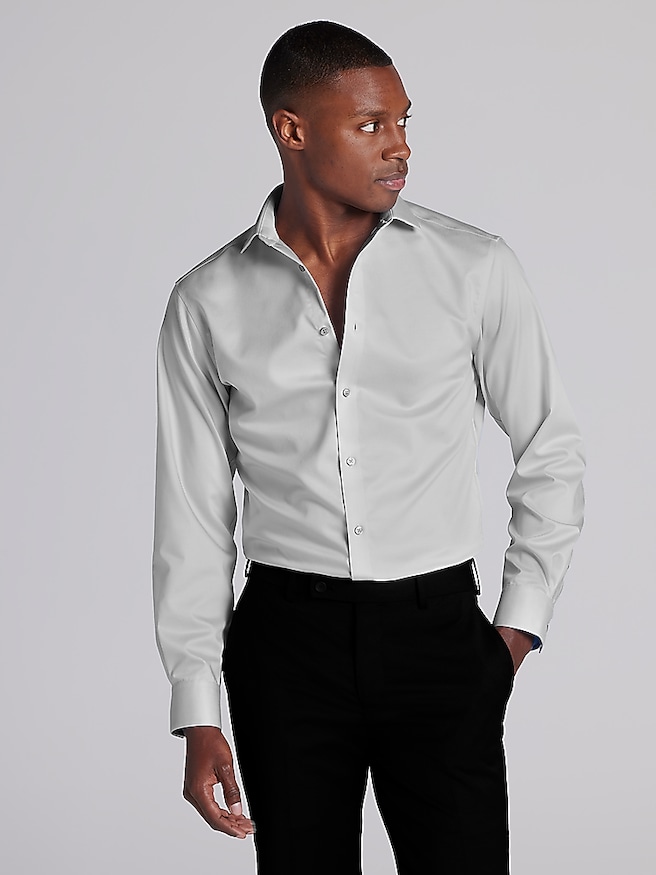
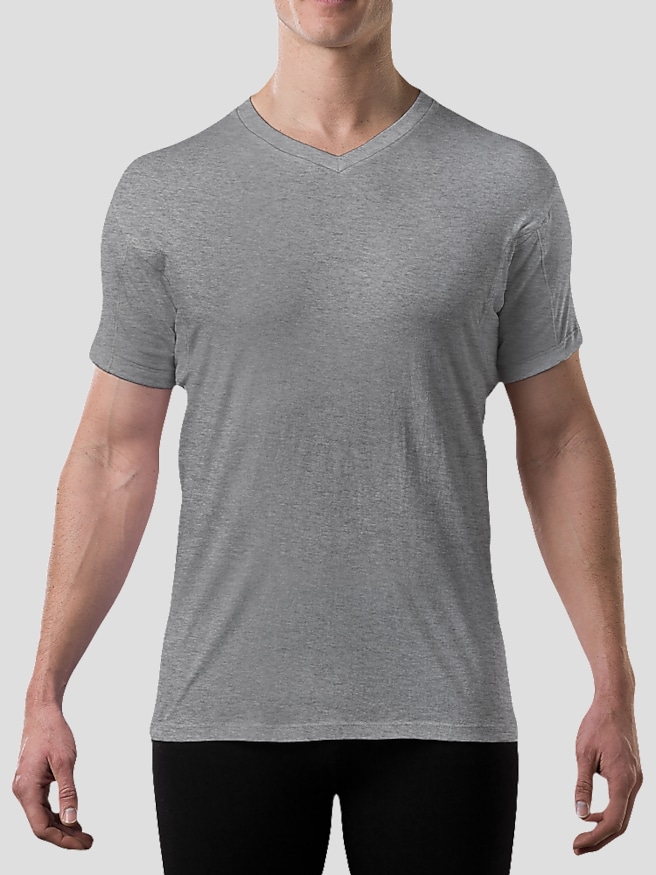
Men’s undershirts for dress shirts create a smooth, comfortable layer between the skin and a more structured outer shirt. A well-chosen undershirt stays out of sight, reduces direct contact with perspiration and body oils, and adds coverage beneath lightweight shirting without making the outfit feel bulky. The most useful combination is a close but comfortable fit, a neckline that sits below the dress shirt opening, and a color that blends with the wearer’s skin tone. Under a white or pale blue dress shirt, an undershirt close to the skin’s shade often looks less noticeable than bright white, which can create a distinct outline across the chest and sleeves. Beige, tan, brown, and muted gray may work differently depending on skin tone and the opacity of the outer fabric; checking both layers together in natural light gives a better impression than judging either one alone. Neckline matters just as much. For an open-collar look, men’s V-neck undershirts can keep the base layer below the visible opening, while a deeper V may be useful when more than one button is left undone. The depth of the dress shirt’s opening still determines whether the undershirt will show. A crew neck can work beneath a fully buttoned shirt and tie, provided its collar lies flat and remains concealed. Across the shoulders and torso, the fabric should follow the body without pulling tightly, riding upward, or gathering around the waist. Excess material tends to fold beneath tailored dress shirts, while an undershirt that is too small can restrict movement and leave pronounced sleeve lines. Short sleeves that lie smoothly around the upper arm help avoid ridges beneath the outer shirt. Enough body length to stay tucked through sitting, reaching, and walking completes the fit, especially for someone moving between a desk, a commute, and face-to-face appointments throughout the day. The result should feel unobtrusive: a base layer that supports the outfit rather than requiring repeated adjustments.
Fabric determines much of how an undershirt feels after several hours of wear. Cotton offers a familiar, soft hand and absorbs moisture, making it a practical choice for everyday dressing. Its drying speed varies with fabric weight and construction, and an absorbent cotton layer can remain damp after substantial perspiration. A small amount of stretch fiber can help a cotton blend move with the body and recover its shape, particularly at the shoulders, sleeve openings, and waist. Modal and viscose fabrics often have a smooth surface and fluid drape that sit comfortably beneath a dress shirt. Bamboo-derived viscose belongs to this broader group of regenerated cellulose fibers; the fiber source alone does not establish moisture-wicking performance, durability, or special skin benefits. Those qualities depend on the finished fabric and its construction. Lightweight synthetic blends may be designed to move moisture away from the skin and dry more quickly, but performance claims should come from the garment’s stated features rather than assumptions about a fiber name. Breathability, absorbency, and moisture wicking describe different characteristics, so the best choice depends on which comfort issue matters most. Someone who spends the day seated in meetings may prioritize softness and flat seams, while someone frequently walking between appointments may place more importance on moisture management and freedom of movement. Fabric weight also affects the finished look. A substantial knit can add coverage but may feel bulky under a closely fitted dress shirt; a finer knit generally layers more discreetly, though it still needs enough structure to resist stretching out. Smooth stitching, a comfortable neck binding, and a label that does not scratch can make an outsized difference during extended wear. Seams should rest comfortably rather than press into the underarm or shoulder. An undershirt can help limit direct exposure of a dress shirt to perspiration, but an ordinary base layer is not a sweatproof barrier and cannot guarantee that moisture will never reach the outer fabric.
Everyday use is where these details become noticeable. Beneath a fitted dress shirt for an interview, a smooth undershirt helps keep attention on the clean line of the collar and placket rather than a visible neckline or folds at the waist. For a wedding, presentation, or long office day, comfortable armholes and sufficient length matter when shaking hands, reaching across a table, or standing after hours of sitting. A dress-shirt undershirt usually serves a different purpose from a casual T-shirt: it is intended to layer discreetly, so a heavy collar, loose sleeves, or a boxy body can interfere with the outer shirt’s shape. Trying the two layers together makes it easier to assess the combination. Buttoning the dress shirt as it will actually be worn, then sitting and raising the arms, reveals whether the undershirt stays tucked and whether its neckline remains hidden. Care habits help preserve that fit. Follow the garment’s care label for washing and drying, since cotton, stretch blends, and regenerated cellulose fabrics may need different handling. Excessive dryer heat can contribute to shrinkage or damage stretch fibers, while abrasive laundry companions can encourage surface wear. Separating undershirts from exposed zippers and hook-and-loop fasteners helps protect fine knits from snags. For fabrics with moisture-management finishes, follow any directions concerning fabric softener, which can affect performance. Thorough drying before storage and regular laundering help keep a close-to-skin layer fresh. Over time, a stretched neckline, persistent bunching, thinning underarms, or a hem that no longer stays tucked can signal that an undershirt is no longer doing its job well. Keeping several in rotation spreads repeated washing and wear across the wardrobe. These basics can also make a thoughtful practical gift for someone beginning an office role or wearing dress shirts more often, especially when size and neckline preferences are known. The most successful choice is not necessarily the softest fabric on first touch, but the combination of discreet coverage, lasting shape, easy care, and comfort that suits the way the wearer dresses.