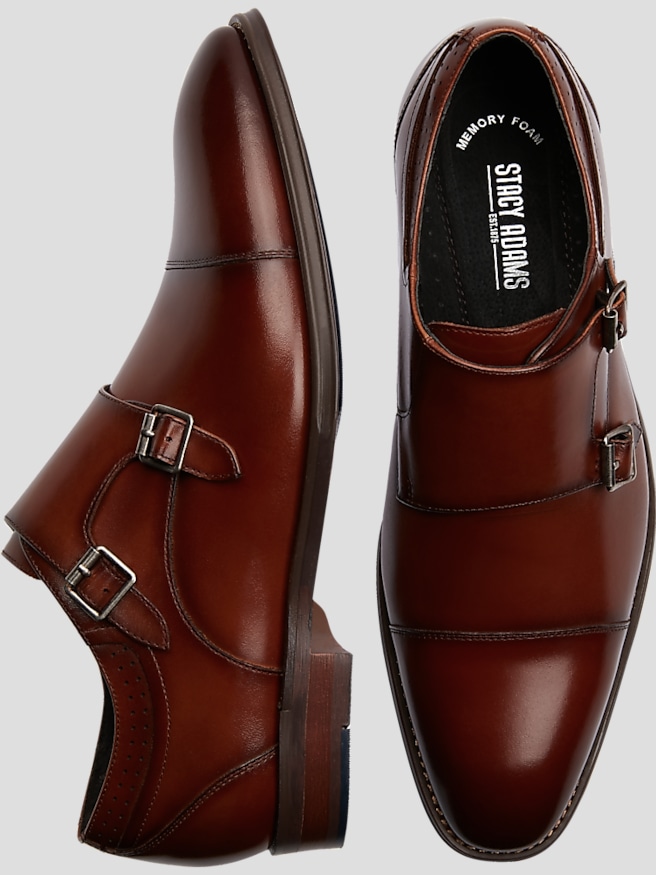
Men’s tan dress shoes bring a warm, distinctive finish to tailored clothing without overpowering the rest of an outfit. Their lighter color makes details such as stitching, perforations, and the shape of the toe more noticeable, giving even a simple pair a strong sense of character. Tan can range from pale sandy tones to richer honey shades, and those differences affect how the shoes work with a wardrobe. A lighter shade creates a clear contrast against navy trousers, while a deeper tan can blend more quietly with medium gray, olive, or brown. With a navy suit and a crisp white shirt, tan footwear feels polished but approachable; with tailored chinos and an unstructured jacket, it brings enough definition to keep the outfit from looking too casual. The design matters as much as the color. Oxfords, with their closed lacing, have a neat profile that complements structured tailoring. Derbies offer a slightly more relaxed appearance, while loafers create a clean line without laces and suit occasions where a less formal finish feels appropriate. Broguing adds texture and visual interest, whereas a plain toe or restrained cap toe keeps the emphasis on the leather and silhouette. These distinctions make tan dress shoes useful for office settings, presentations, graduations, daytime weddings, and dinners that call for something more considered than sneakers. They generally belong with business and dressy casual clothing rather than strict black-tie attire. A belt in a similar color family helps connect the outfit, though the leather does not need to match perfectly. Trouser length also changes the effect: a clean hem with a slight break lets the shoe’s shape show without excess fabric gathering over the instep. For someone building a practical dress wardrobe, tan offers a meaningful alternative to darker footwear, especially when navy and gray already make up much of the closet. The result is a shoe color that feels expressive while remaining easy to wear in familiar, everyday settings.
Materials and construction influence how tan dress shoes look, feel, and hold up through repeated wear. Smooth leather shows the color clearly and can develop subtle creasing and tonal variation with use, giving the surface a more individual appearance over time. A lightly burnished finish adds depth around the toe and edges, while an even finish creates a cleaner, more uniform look. Suede has a softer, matte texture that pairs naturally with textured trousers and less structured tailoring, though it calls for care suited to its nap rather than standard leather polish. Synthetic uppers can offer a consistent appearance, but their flexibility and breathability vary, so the material description is worth considering alongside the silhouette. Inside the shoe, lining texture, footbed support, and the placement of seams all affect comfort. The appeal of Mens Comfortable Dress Shoes is especially clear on days that move from a commute to back-to-back meetings and then an evening celebration. Cushioning can soften the feeling underfoot, but it cannot compensate for a shape that presses against the toes or allows the heel to slide with every step. A well-fitting dress shoe holds the foot securely through the heel and midfoot while leaving enough room for the toes to rest naturally. The widest part of the foot should sit comfortably within the widest part of the shoe, rather than pushing against a narrowing toe box. Lace-up styles allow some adjustment across the instep; loafers rely more heavily on the shape of the upper and heel for a stable fit. Trying shoes with the type of dress socks intended for regular wear gives a more realistic sense of space. Some leather uppers soften with use, but persistent pinching is not a useful sign of a future fit. Outsoles deserve attention, too: leather offers a traditional appearance, while rubber can provide a more forgiving feel and added grip on smooth surfaces. Neither material guarantees comfort on its own; the balance of shape, support, flexibility, and fit determines how comfortably the shoe moves through a full day.
The lasting appeal of tan dress shoes depends partly on how they are cared for between occasions. Because the lighter surface makes scuffs and uneven polish easier to notice, gentle, consistent maintenance usually produces a better result than occasional heavy treatment. Smooth leather benefits from having surface dust removed with a soft brush or cloth before an appropriate conditioner or cream is applied. A color-matched cream can help maintain the original tone, while an unsuitable darker polish may change it noticeably, particularly around stitching and decorative perforations. Testing a small, discreet area helps preserve the intended finish. Suede needs its own brush and compatible cleaning products to lift flattened fibers without coating the surface. Shoe trees can help support the upper’s shape and reduce deep creasing, and giving shoes time to air out between wears helps manage moisture from normal use. Storage away from direct heat and prolonged sunlight also helps protect the material and color. Durability is not determined by the upper alone: sole construction, stitching, heel wear, and the quality of repeated care all contribute to how a pair ages. Some construction methods allow worn soles or heels to be replaced, though repair options depend on the shoe and are best assessed individually. For frequent wear, alternating between pairs reduces the strain of using the same shoes every day. Tan dress shoes can also make a thoughtful gift for a graduate preparing for interviews, a partner refreshing a work wardrobe, or someone who enjoys dressing for celebrations. The most useful choice reflects the recipient’s existing clothes and preferred fit rather than color alone. A person who regularly wears navy suits may appreciate a streamlined lace-up, while someone whose wardrobe centers on chinos and sport coats may get more use from a relaxed derby or loafer. Knowing the recipient’s size, width, and preferred toe shape makes the gift more personal and practical. With a comfortable fit and care suited to the material, tan dress shoes can become a dependable part of getting dressed, adding a distinct finishing touch without demanding an entirely new wardrobe.