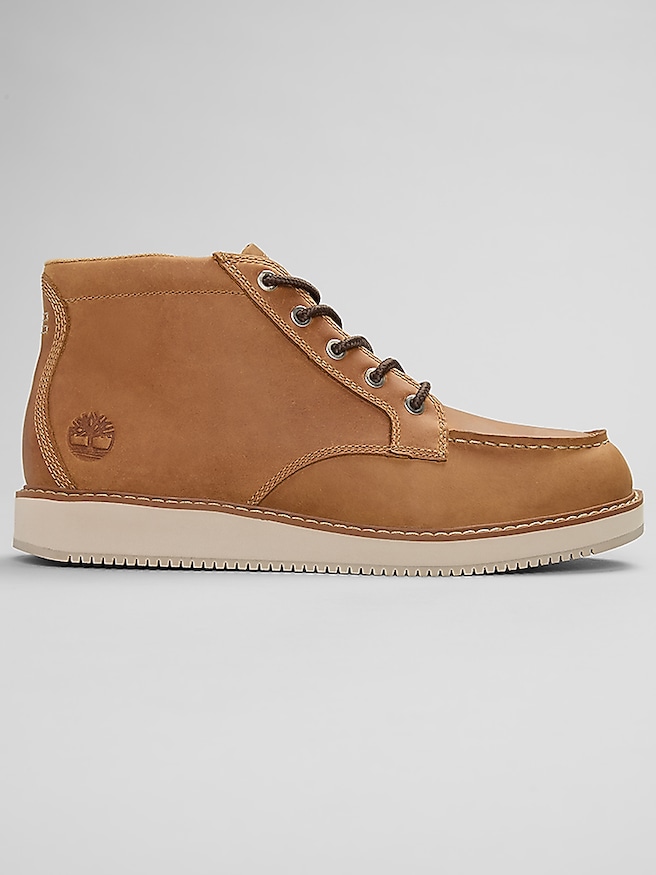
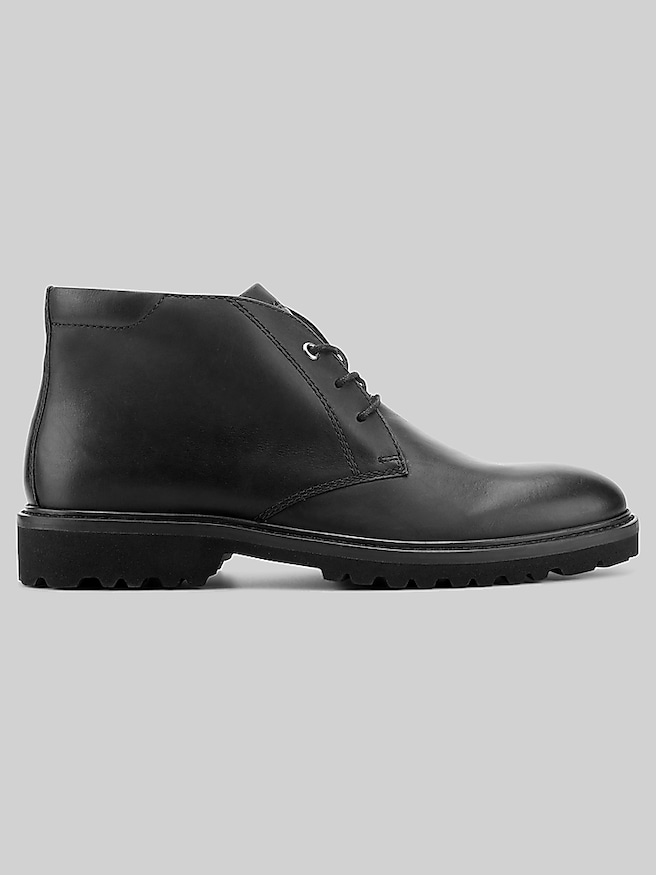
Men’s tan chukka boots are ankle-height lace-up boots distinguished by a relatively simple upper, an open lacing system, and typically two or three pairs of eyelets. Their appeal comes from that balance of structure and ease: more substantial than a low-cut shoe, less imposing than a tall boot, and versatile enough to wear with denim, chinos, or relaxed tailored trousers. Tan shades can range from pale sand and warm honey to deeper caramel, giving this footwear a softer appearance than black while complementing navy, olive, charcoal, and cream. The material and shape determine how polished or casual a pair looks. Smooth leather with a trim sole and gently tapered toe works well for a business casual office, especially with navy chinos, an Oxford shirt, and an unstructured jacket. Suede brings a velvety texture that feels at home beside dark denim, corduroy, and knitwear. Nubuck, made by lightly buffing the outer surface of leather, offers a fine nap and a matte finish that sits comfortably between those looks. A rounded toe and a thicker rubber sole create a more relaxed impression, suited to casual dinners, weekend gatherings, and everyday errands. Desert boots belong to the chukka family and are often associated with suede uppers and crepe soles, although not every chukka follows that construction. For a clean silhouette, trouser hems should meet the top of the boot without piling heavily around the ankle; a modest cuff can also work with straight-leg jeans. Tan boots need not match a belt exactly, but warm brown leather accessories generally create a cohesive combination. During the cooler months, their earthy color pairs naturally with textured sweaters and wool outerwear. They can also complement relaxed tailoring for an informal gathering, though traditional dress shoes remain the stronger choice when an occasion calls for formal attire.
Materials, sole construction, and fit matter as much as color when choosing tan chukka boots for regular wear. Full-grain leather retains the natural grain surface and can develop character with use, but leather grade alone does not establish comfort or overall quality. Upper thickness, stitching, lining, and the way the sole is attached all influence how a boot performs. Smooth leather is generally easier to wipe clean than a napped surface, making it a practical consideration for everyday commuting. For a closer focus on that material, Men's Leather Chukka Boots provides a related category to explore. Suede and nubuck offer rich texture, but their surfaces can show moisture marks and benefit from care products made specifically for them. No leather type should be assumed waterproof; protection from prolonged rain depends on the boot’s stated construction, including any membrane or sealed seams. Underfoot, rubber soles vary considerably in flexibility, weight, and tread depth. A low-profile sole looks neat with tailored pants, while a more pronounced tread may be useful on uneven sidewalks. Traction still depends on the compound and surface conditions, and ordinary chukkas should not be treated as winter traction footwear. Traditional crepe soles can feel yielding underfoot, though they may collect dirt and perform inconsistently on slick surfaces. Fit should be assessed with the socks intended for everyday wear, preferably after feet have had time to expand through the day. Toes need room to move without pressing against the front, the widest part of the foot should align with the widest part of the boot, and the laces should hold the instep securely without pinching. A small amount of initial heel movement may occur in a structured boot, but repeated rubbing or pronounced slipping suggests a mismatch. Leather can soften with wear; a boot that feels too short will not gain meaningful length through break-in. For long office days or a commute with substantial walking, cushioning, lining comfort, and a stable heel deserve particular attention.
Consistent care helps tan chukka boots retain their appearance and makes light-colored uppers easier to live with. After a dry day outdoors, removing surface dust before putting boots away prevents grit from building up around seams and creases. Smooth leather usually benefits from a soft brush or cloth, followed when needed by a leather-compatible cleaner and a sparing application of conditioner according to the maker’s directions. Tan finishes can darken with conditioning, so testing any treatment on a discreet area is important. Polish should also suit the leather and its color; a heavy application can change the subtle shading that gives a light brown boot its character. Suede and nubuck call for a brush intended for napped leather rather than conventional cream polish. Gentle brushing once the surface is dry helps lift flattened fibers, while a suitable suede eraser may address small dry marks. Protective sprays should be compatible with the upper material and should not be mistaken for a guarantee against soaking rain. If boots become wet, blot away excess moisture, add plain absorbent paper if appropriate, and let them dry naturally away from radiators and direct heat. Road salt deserves prompt attention with a material-appropriate cleaner because lingering residue can leave visible rings. Allowing boots to air between wears, using properly sized shoe trees, and storing them out of direct sunlight can help preserve shape and finish. Durability also depends on catching wear early: loose stitching, worn heel edges, and separating soles are worth having assessed before the damage spreads. Some stitched constructions allow resoling, but repair options depend on the individual boot rather than the chukka name alone. For anyone building a compact wardrobe, tan chukkas offer a useful bridge between casual shoes and dressier footwear, especially when most outfits center on denim and neutral trousers. They can also make a thoughtful gift for someone who enjoys understated clothing, provided the recipient’s size, width, preferred materials, and daily routine are known. A pair chosen for the way someone actually dresses and walks is more likely to become a familiar favorite than one chosen for appearance alone.