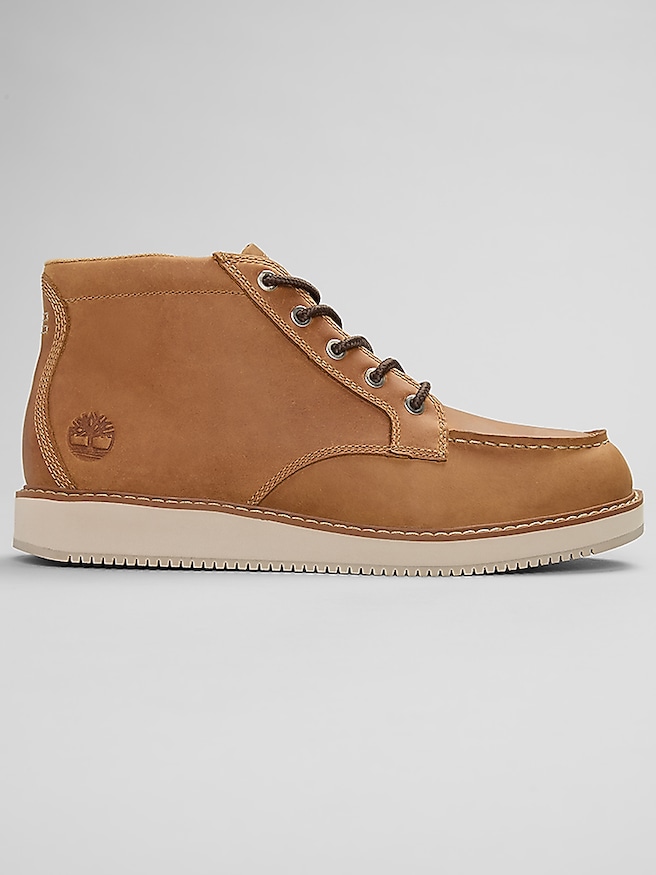
Men's classic chukka boots are ankle-height lace-up boots recognized by their simple shape, open lacing, and typically two or three pairs of eyelets. A rounded or softly tapered toe and relatively uncluttered upper give them a place between casual shoes and more structured dress boots. Their appeal comes from that balance: substantial enough to anchor denim, yet streamlined enough to sit comfortably beneath chinos or tailored trousers. Desert boots are a casual type of chukka commonly associated with suede uppers and crepe rubber soles, while the broader chukka category includes smooth leather, other outsole materials, and more polished silhouettes. Small details make a noticeable difference in how a pair looks with an outfit. A low-profile sole and narrow welt create a cleaner outline with dressier pants; a thicker sole and fuller toe feel more relaxed alongside straight-leg jeans. Brown and tan shades bring contrast to navy, olive, and gray, while black offers a sharper finish with charcoal trousers or dark denim. Suede adds a soft, textured element to an otherwise crisp outfit, such as a button-down shirt worn with pressed chinos. Smooth leather creates a more defined finish that can work well in offices where the dress code allows boots. For combinations built around tailored separates, Men's Leather Chukka Boots offer an understated alternative to traditional lace-up dress shoes. The trouser hem matters, too: a clean break keeps the boot's proportions visible without allowing excess fabric to bunch around the ankle. Chukkas generally look most natural with casual and smart-casual clothing rather than formal evening attire. Their restrained design makes them useful for a workday followed by dinner, a relaxed gathering, or a weekend outing where sneakers would feel too casual. The result is footwear that adds character through material, shape, and finish rather than elaborate detailing.
Materials and construction influence both the appearance of classic chukka boots and the way they feel over repeated wear. Full-grain leather retains the hide's natural surface and can develop a distinctive patina, although performance also depends on leather quality, finishing, and care. Smooth leather may show creases as it flexes across the forefoot, giving the upper a lived-in appearance without necessarily indicating damage. Suede has a napped surface that creates depth and subtle color variation as the fibers move. Its softer appearance suits textured clothing such as denim, twill, and knitwear, but it needs a cleaning approach suited to that surface. Inside the boot, lining materials, seam placement, cushioning, and footbed shape all affect comfort. A soft collar can reduce friction around the ankle, while secure lacing helps hold the foot without requiring an overly tight fit. The right fit leaves room for the toes to move, holds the heel reasonably steady, and supports a natural stride without pinching across the widest part of the foot. Trying boots with the socks intended for regular wear gives a more useful sense of their volume than judging by the size label alone. Feet can vary in width and instep height even when their measured length is the same, so familiar sizing does not guarantee an identical fit across boot shapes. Leather may soften with wear, but persistent toe pressure or a cramped forefoot should not be treated as something a break-in period will reliably fix. Outsoles also change the experience. Crepe rubber often provides a yielding, casual feel, while other rubber compounds can offer a firmer platform with varying tread patterns. Leather soles tend to produce a slimmer, dressier profile. Grip depends on the outsole design and the surface underfoot, not simply whether the sole is rubber. Stitched construction may allow resoling, depending on the specific build and condition, while other construction methods prioritize flexibility or a lighter feel. For longer stretches on foot, cushioning and a stable fit matter more than appearance alone.
Consistent, material-appropriate care helps classic chukka boots retain their shape and finish. Smooth leather benefits from removing surface dust with a soft brush or cloth before applying a suitable cleaner or conditioner when needed. A small test on a less visible area helps reveal whether a treatment will darken the leather or alter its finish. Conditioner and polish serve distinct purposes: conditioner helps maintain suppleness, while an appropriate polish can refresh color and adjust the level of shine. Suede requires a separate approach, usually starting with a suede brush used gently to lift the nap and remove loose dirt. Stubborn marks may call for a suede eraser or a cleaner specifically intended for the material rather than conventional leather cream. After cleaning, boots should dry naturally away from direct heat. Properly sized shoe trees can help maintain the upper's shape between wears, and giving footwear time to air out supports a fresher interior. Occasional attention to the soles and heels is equally valuable. Uneven heel wear, loose stitching, or an outsole beginning to separate deserves an assessment before the problem affects comfort or causes further damage. Repair possibilities vary by construction, so a cobbler can help establish whether maintenance or resoling is appropriate. These practical details make chukkas especially appealing to someone who prefers a dependable wardrobe with pieces that work across several settings. An understated brown pair can complement a familiar rotation of chinos and denim, while a sleeker dark finish may suit someone whose week includes tailored trousers and collared shirts. As a gift for a father, partner, graduate, or close friend, classic chukka boots make the most sense when the recipient's size, preferred fit, and everyday style are known. Their lasting appeal lies in a recognizable silhouette that feels neither overly rugged nor overly formal, with enough variation in texture and construction to suit distinct routines and personal tastes.