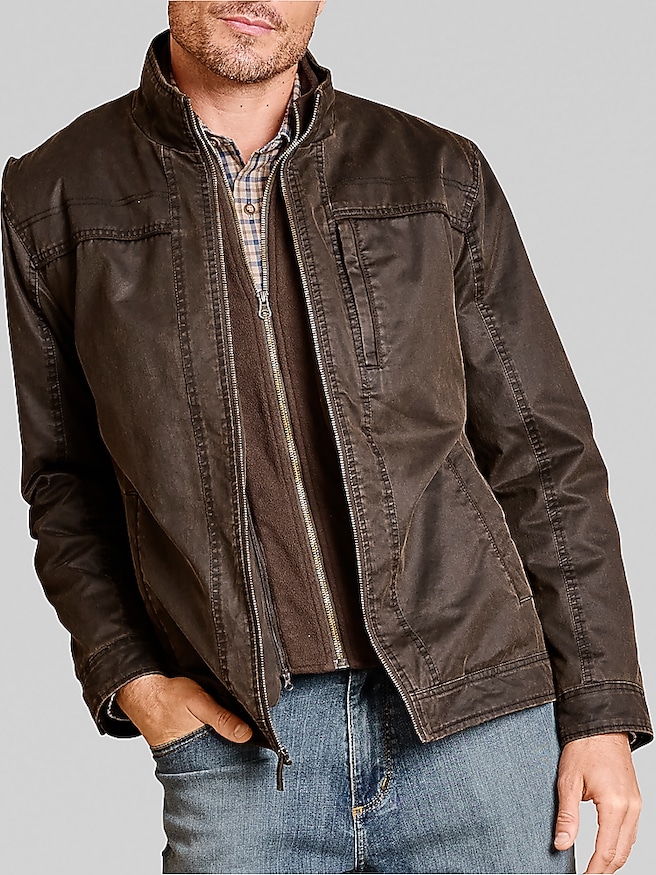
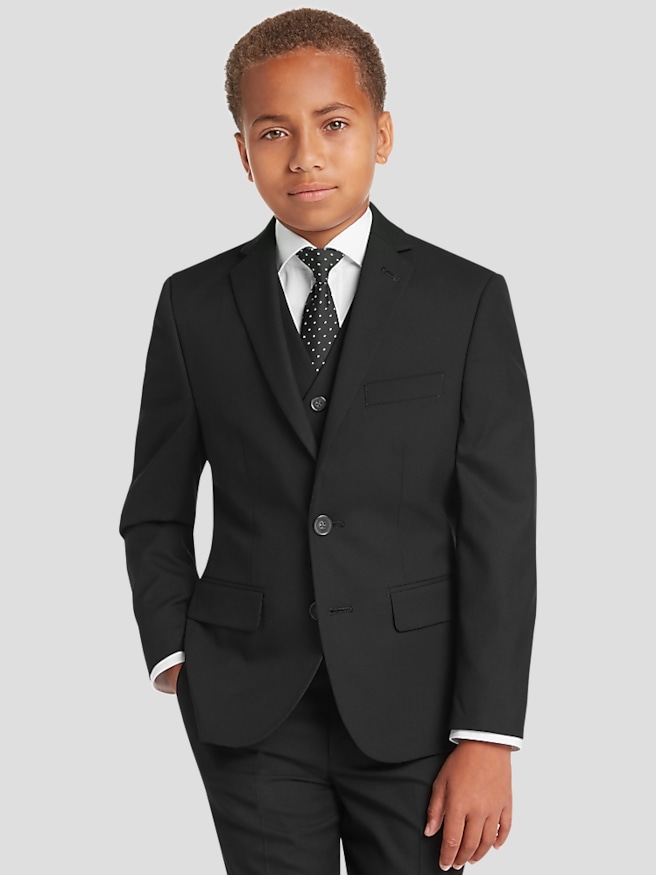
Men’s summer cotton jackets are lightweight outer layers that add coverage and definition to an outfit without the bulk of heavier outerwear. They suit breezy afternoons, air-conditioned interiors, and evenings when a shirt alone feels a little too light. Cotton’s appeal starts with its familiar feel against the skin, but the fabric’s weight, weave, and finish determine how a jacket actually wears. Fine cotton poplin tends to feel smooth and light, while cotton twill has a diagonal weave and a more substantial hand. Lightweight canvas brings a sturdier texture that works well in casual silhouettes, although dense canvas can feel warmer than its appearance suggests. Seersucker’s puckered surface holds portions of the fabric away from the skin, creating a distinctive texture with a less clingy feel. Fiber content matters, too: all-cotton fabric offers a natural hand, cotton-linen blends may have a more textured appearance, and a small amount of stretch can make reaching and sitting more comfortable. Breathability depends on the whole jacket, not simply the word cotton on the label. An unlined body, minimal padding, and a comfortable cut can help a layer feel less enclosing; a full lining or dense construction may add warmth and structure. Partial lining can provide a middle ground, helping the jacket slide over a shirt while leaving other areas lighter. Cotton also absorbs moisture and can take longer to dry than some synthetic fabrics, making it better suited to everyday summer wear than sustained exertion or wet conditions. A cotton jacket should not be assumed to provide rain protection unless its construction and finish are specifically intended for that purpose. For commuting, dinner on a patio, or a walk back from an evening event, the attraction is straightforward: a practical extra layer that looks intentional over a T-shirt, polo, or lightweight button-down. The most useful balance is enough substance to hold the jacket’s shape without making it feel cumbersome when carried over an arm.
Different cotton jacket silhouettes bring that balance to different settings. A shirt-jacket has the easy character of a button-down with enough room to wear over another top, making it a natural companion to a plain crewneck and chinos. An unlined chore jacket typically has a straighter body and practical patch pockets, with a relaxed appearance that works with denim or casual cotton trousers. Utility styles emphasize functional details such as secure pockets and adjustable cuffs, while a waist-length collared or trucker-style jacket gives an outfit a more compact outline. A softly constructed cotton blazer offers a dressier direction for an office with a relaxed dress code or a dinner that calls for more polish than a shirt alone. These shapes do not need to fit the same way. A shorter jacket generally sits near the waist or upper hip, while an overshirt or chore silhouette may extend farther down the seat. Shoulder placement, sleeve room, and the way the front hangs are more useful measures of fit than a size label alone. The jacket should accommodate its intended base layer without pulling across the upper back, straining at the closure, or gathering heavily around the waist. Someone who usually wears a thin T-shirt underneath may prefer a closer outline; someone layering over a button-down may appreciate additional room through the chest and upper arms. Sitting at a café table or reaching toward an overhead compartment can reveal restrictions that are less obvious while standing still. Color and texture help determine how often a jacket fits into an existing wardrobe. Navy, stone, olive, and tan pair easily with familiar casual pieces, while a textured weave can add interest to an otherwise simple outfit. A pale cotton layer over a darker polo creates clear contrast; a navy jacket with light chinos feels crisp without looking overly formal. For occasions with a stated dress code, the jacket’s level of structure matters more than its summer fabric alone.
Long-term usefulness depends on care and construction as much as appearance. Cotton can develop a comfortable, lived-in character, but shrinkage, fading, and persistent creases are possible when care does not match the fabric and finish. The care label takes priority: some casual cotton jackets allow machine washing, while structured designs may require professional cleaning. Washable does not necessarily mean suitable for high dryer heat, particularly when a jacket combines cotton fabric with a lining, interfacing, or stretch fibers. Prompt attention to marks around cuffs and collars can help keep frequent cleaning from becoming necessary, and pockets emptied after wear are less likely to distort the front. A suitable hanger supports the shoulders between outings, while letting the fabric dry fully before storage helps prevent trapped moisture. Pressing or steaming, when permitted, can restore a cleaner finish, though a little natural wrinkling often belongs to the character of lightweight cotton. For travel, that distinction matters: a relaxed overshirt can look at home with gentle creases, whereas a sharply shaped jacket may need more attention after unpacking. Durability is also tied to details such as secure seams, reinforced pocket openings, and well-attached buttons or smooth-working zippers. Heavy fabric is not automatically the best choice for summer; a lighter jacket with sound construction may be more useful for regular wear than a stiff layer that stays folded in a bag. Pocket placement deserves consideration when carrying a phone, glasses, or keys, since overloaded patch pockets can pull a light front out of shape. The same attention to low bulk, comfortable movement, and easy layering applies when comparing cotton styles with other men’s summer lightweight jackets. As a gift, a cotton jacket is most personal when its shape reflects the recipient’s routine: clean and understated for everyday commuting, relaxed for weekend outings, or softly tailored for social occasions. Knowing a preferred fit and likely base layer makes that choice more thoughtful than relying on size alone.