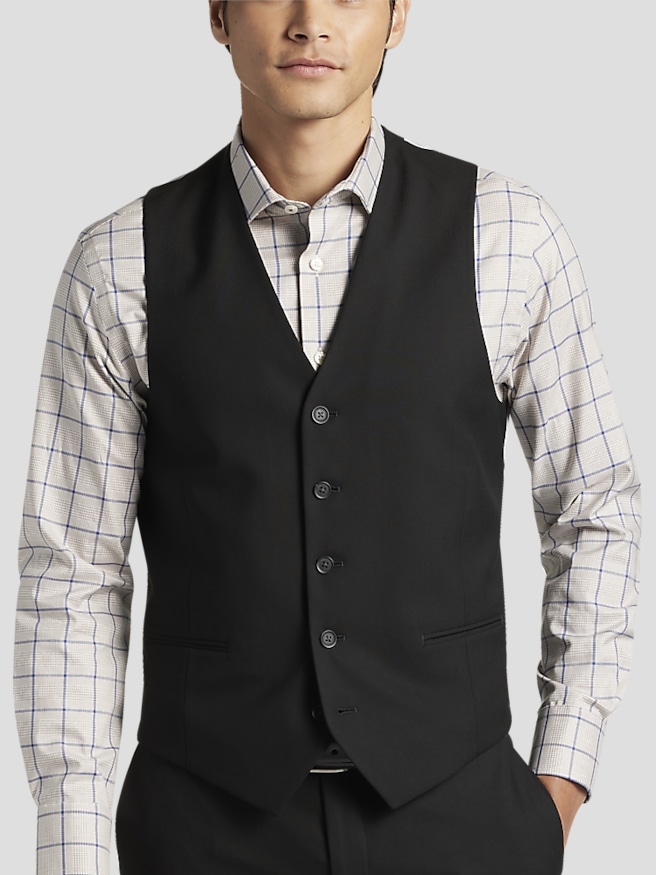
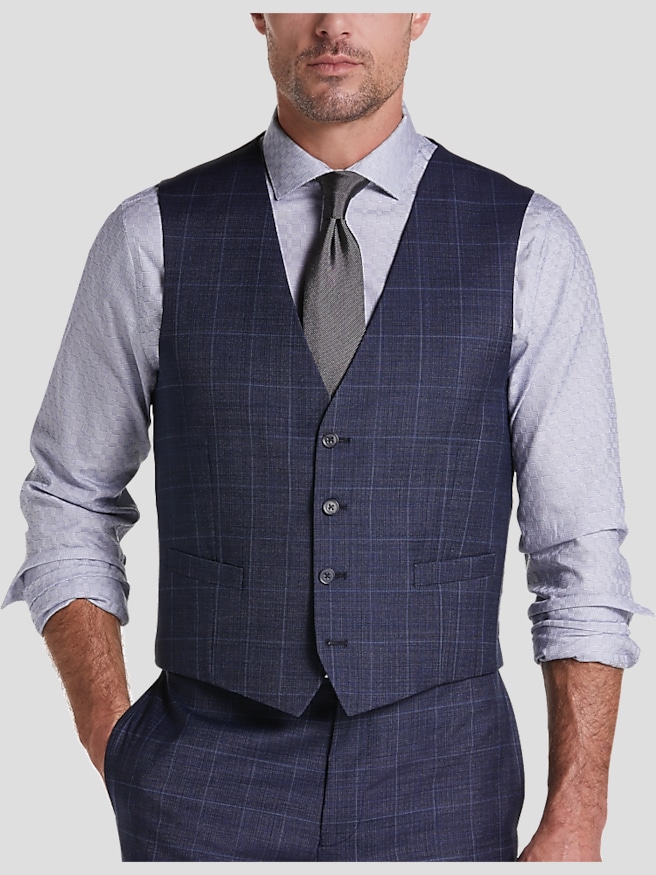
Men’s suit vest styles bring structure to an outfit while giving you another way to adjust your look for the occasion, the setting, and the season. A vest can complete a traditional three-piece suit, add polish to dress trousers and a shirt, or provide a more relaxed alternative to a full jacket when the room is warm and the event calls for something less formal. The most familiar option is the single-breasted vest, identified by one vertical row of buttons and a clean, streamlined front. It is versatile enough for business gatherings, weddings, ceremonies, and evening celebrations, especially when the fabric matches the jacket and trousers. Double-breasted vests create a stronger, more formal impression with overlapping fabric and two parallel rows of buttons. Their broader front can look especially refined with tailored trousers, a crisp dress shirt, and a jacket worn open or removed later in the evening. Vests with lapels add another layer of visual interest; notched lapels tend to feel classic and adaptable, while peak lapels have a sharper, more formal character that suits wedding attire and dressier occasions. Collarless designs, including traditional V-cut shapes and deeper U-cut variations, keep the neckline clean and let the shirt, tie, or bow tie take the lead. A matching vest is the natural choice for a coordinated three-piece suit, creating an uninterrupted line from shoulder to trouser hem. An odd vest, made in a contrasting color, texture, or fabric, offers more room for personality and can bring new life to trousers or a suit jacket already hanging in the closet. For additional texture or visual interest, explore a Patterned Suit Vest alongside solid options. Subtle checks, windowpanes, stripes, and understated geometric patterns can add dimension without overpowering the rest of the outfit, particularly when the shirt and tie remain simple.
Fit is the detail that makes every other choice look intentional. A slim-fit vest sits closer through the chest and waist, creating a modern silhouette that works well with trim suit jackets and narrow-leg trousers. A classic or regular fit leaves more room through the torso and can be the better choice for comfort, movement, or a traditional tailored appearance. Neither fit should pull across the buttons, gap at the armholes, or hang loosely away from the body. The vest should lie smoothly over the shirt, with the shoulder and arm openings allowing natural movement and the lower edge reaching the waistband of the trousers. A small portion of the shirt may show beneath the vest, but the bottom of the vest should not rise noticeably when you sit, reach, or raise your arms. Pay close attention to the back adjustment strap, which can fine-tune the shape without replacing the need for the right base size. The front fabric should cover the waistband, and trousers with a higher rise often create the most polished connection between vest and pants. Fabric also influences how and when a vest feels comfortable. Wool and wool blends offer warmth, structure, and a smooth drape during cooler months, while lighter cotton, linen-blend, and textured fabrics can make formal dressing feel less heavy in transitional weather or indoor spaces. Satin or subtly lustrous details are often suited to eveningwear, while matte finishes blend easily into business and daytime wardrobes. Color should work with the clothes already owned. Charcoal, navy, black, and gray are dependable choices for matching or coordinating with suiting, while brown, tan, burgundy, olive, and muted blue can create contrast without becoming difficult to wear. When pairing an odd vest with a suit, avoid matching it too closely to only one part of the outfit unless the intention is a coordinated three-piece look; a clear difference in color or texture usually appears more deliberate.
These men’s suit vest styles can serve many wardrobes and many kinds of wearers. Someone building a first formal wardrobe may appreciate a classic single-breasted vest that works with a matching suit for ceremonies and with separate trousers for less formal dinners. A groom, member of a wedding party, or guest at a formal celebration may choose a coordinated vest for a unified appearance in photographs, while an individual attending several events may prefer a versatile color that can be styled with different shirts and jackets. For business, a vest under a suit jacket adds definition without requiring a bold pattern, and it can remain polished when the jacket comes off during a long reception, presentation, or dinner. For a more relaxed gathering, an odd vest over a dress shirt and trousers provides the visual finish of tailoring while feeling easier than a complete suit. Vests can also make thoughtful gifts for a man who attends weddings, works in a professional setting, enjoys dressing for special dinners, or is gradually refining his wardrobe. When selecting one as a gift, consider his usual jacket size, preferred fit, everyday color palette, and the occasions he is likely to attend. A solid, neutral vest is generally the easiest starting point, while a textured or patterned style suits someone who already owns dependable basics and enjoys adding character. During the cooler months, a vest can add a comfortable layer beneath a jacket without the bulk of another sweater, and indoors it offers a practical way to stay dressed up after outerwear is removed. Whether worn with a full matching suit, contrasting separates, or a simple shirt and trousers, the right vest should feel secure, move naturally, and support the wearer’s personal style rather than compete with it.