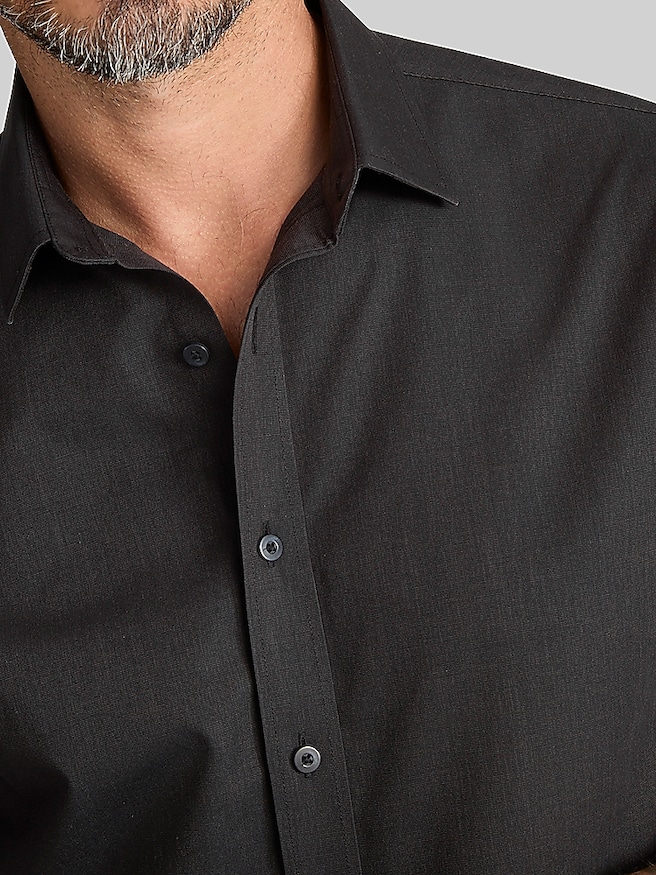
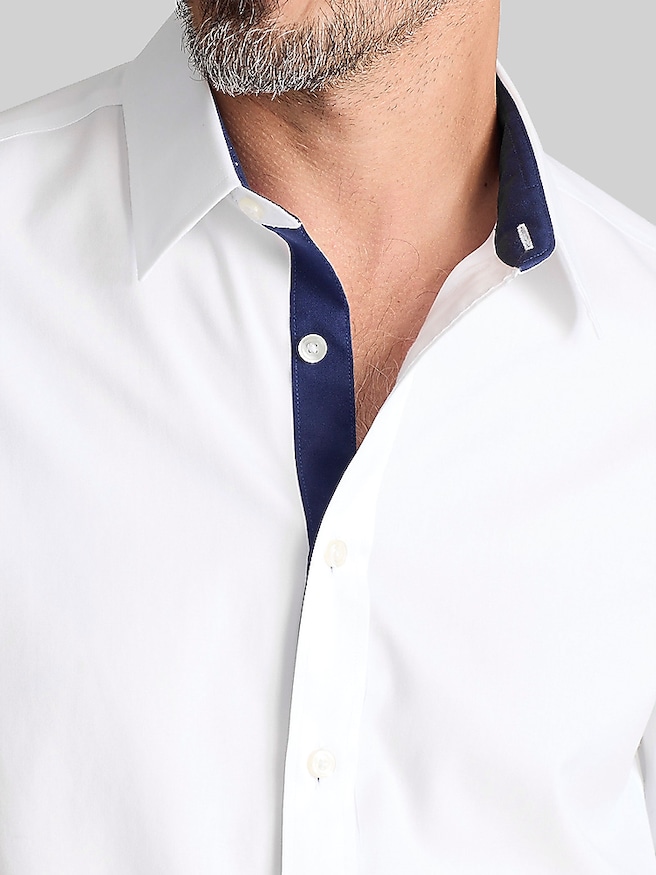
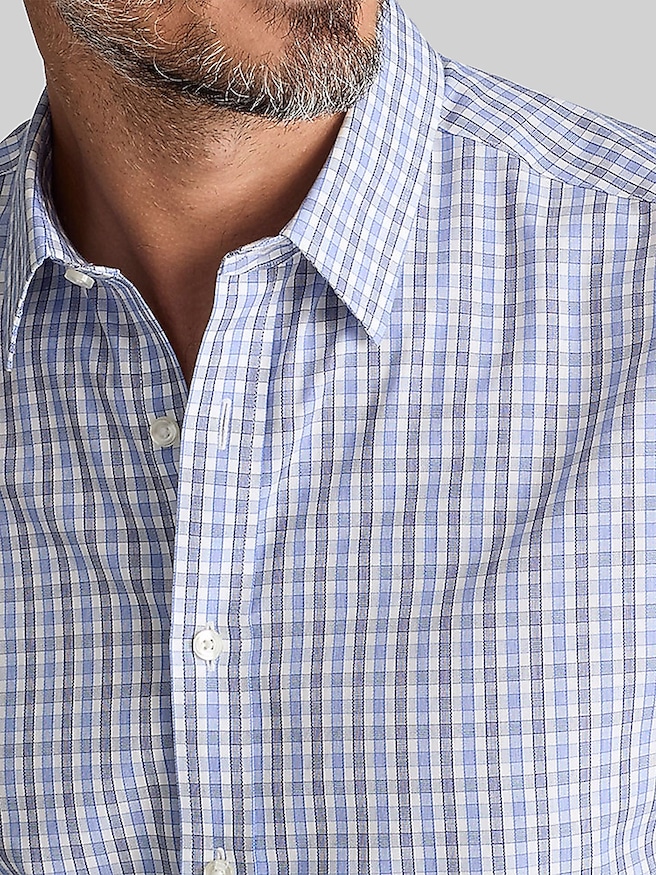
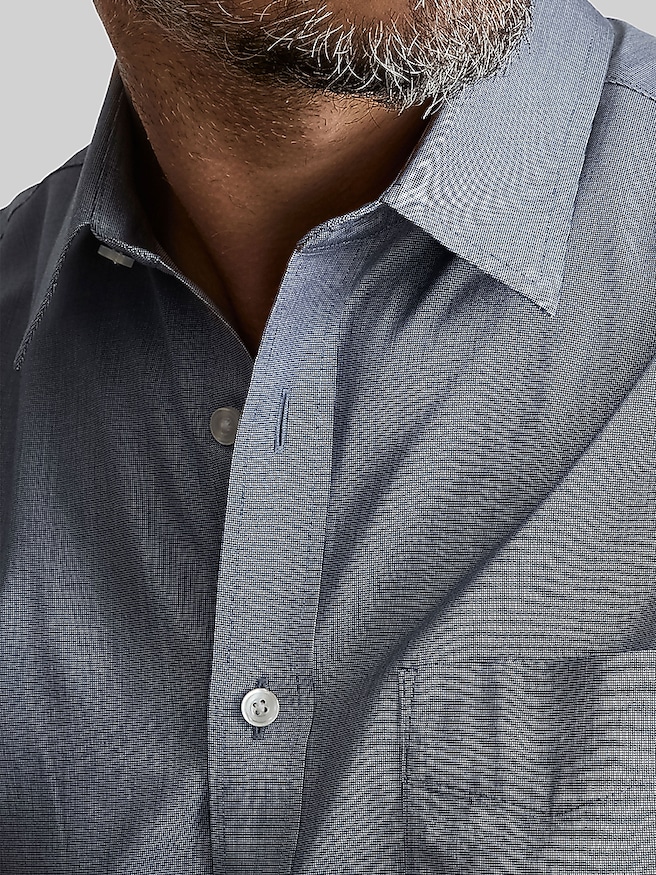
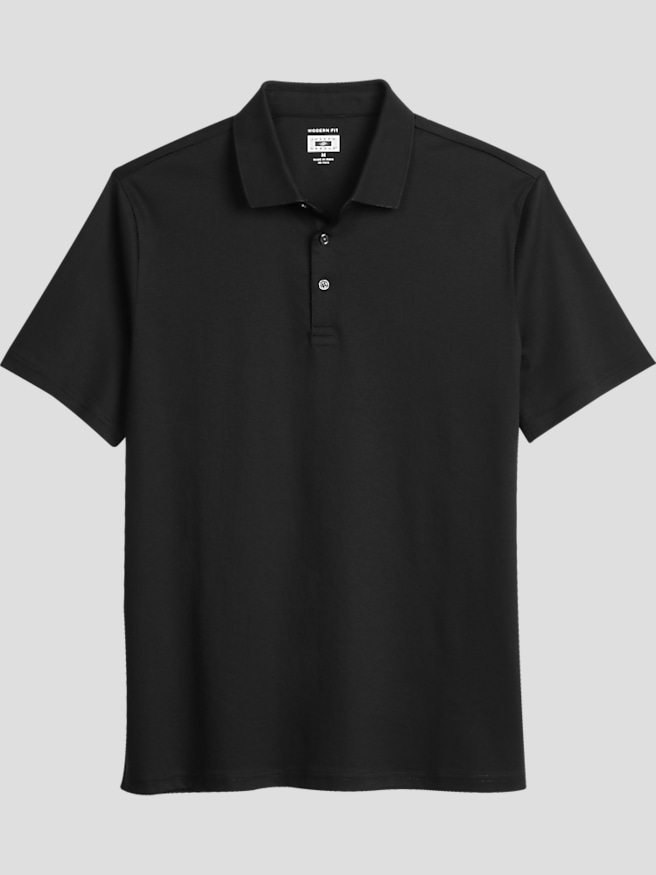
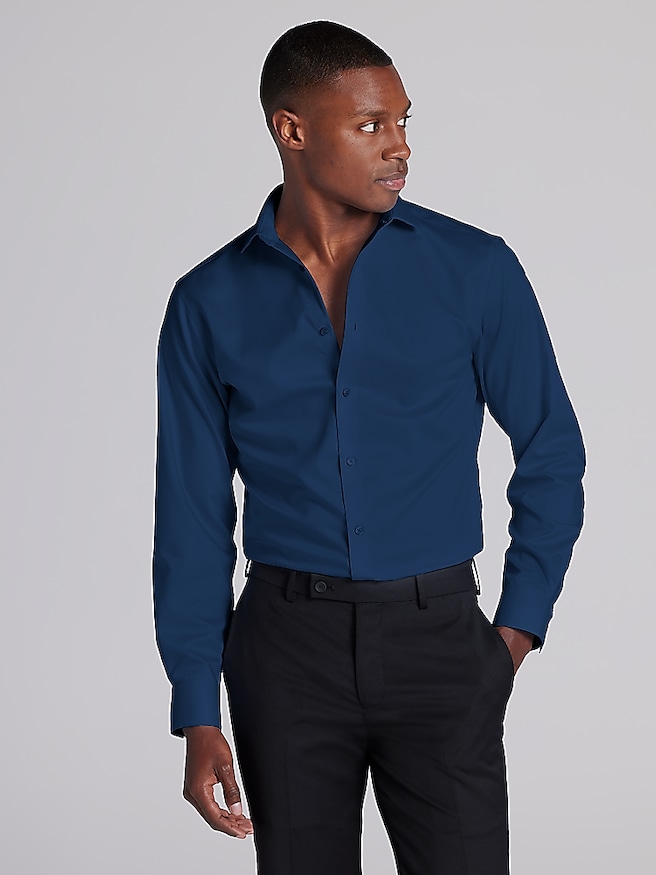
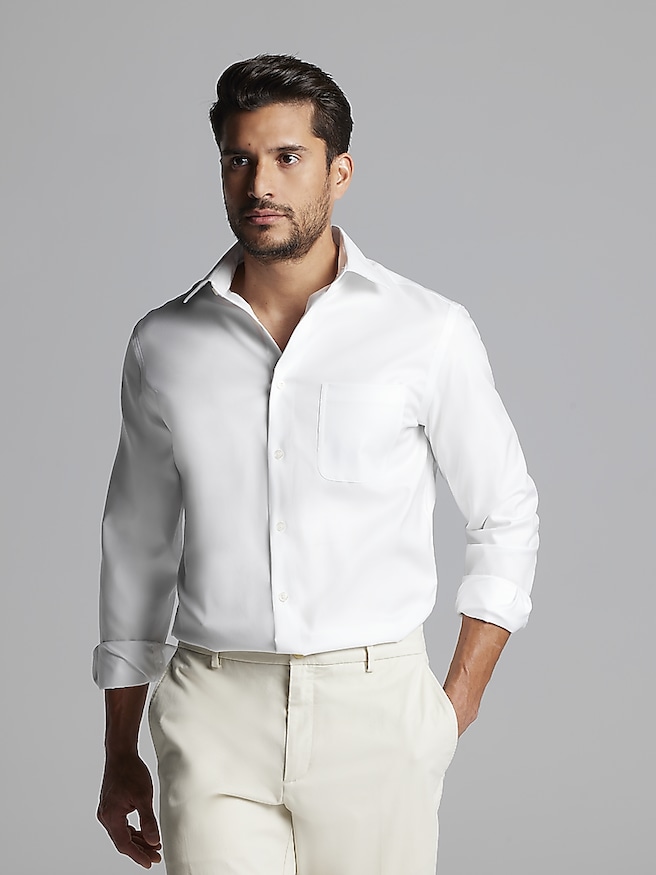
Men’s spring casual shirts bring lightweight fabrics, comfortable fits, and easygoing color to everyday dressing. Cotton poplin, linen blends, lightweight oxford cloth, and seersucker are common choices, each with a distinct texture and feel. Poplin has a smooth, closely woven surface that looks clean without feeling overly formal, making it useful for a casual office, lunch with friends, or a weekend gathering. Linen has an airy feel and a naturally irregular texture; its gentle creasing is part of its relaxed character rather than something that needs to be pressed away completely. Linen blends can soften that texture or change how the fabric drapes, depending on the other fibers used. Oxford cloth has a more noticeable weave and a familiar button-down look, though fabric weight matters: a lightweight oxford feels quite unlike a heavier version. Seersucker’s puckered surface keeps portions of the fabric slightly away from the skin, giving the shirt texture without relying on a bold pattern. Breathability depends on the weave, weight, and fit as well as the fiber content, so a loosely cut woven shirt may feel airier than a close-fitting style made from a similar material. For spring outfits, pale blue, sage, cream, and muted pink offer softer alternatives to dark solids, while navy and white remain easy to pair with denim or chinos. Fine stripes, small checks, and understated botanical prints add interest beneath a simple jacket or worn on their own. A low-contrast pattern tends to blend into an outfit, while a larger, more colorful print becomes its focal point. These shirts suit days with several stops: coffee on a patio, an afternoon family visit, and dinner at a neighborhood restaurant. Their appeal lies in looking intentional without requiring a tie, a structured jacket, or a complicated combination of accessories. The best match is usually a fabric and silhouette that feel comfortable for the setting, with enough visual detail to keep a simple outfit from feeling unfinished.
Fit gives a spring casual shirt much of its character. A slim fit generally sits closer through the chest and waist, a regular fit leaves more everyday movement room, and a relaxed fit creates a looser outline. Those labels are useful starting points, but the shoulder position, sleeve shape, and actual garment measurements tell more about how a shirt will wear. On a conventionally cut shirt, shoulder seams typically sit near the shoulder edge, and the front should lie smoothly without pulling between the buttons. Comfortable room across the back matters when reaching for a steering wheel, carrying a bag, or sitting through a long lunch. A small amount of stretch can make a closer fit easier to move in, but it does not replace adequate room through the chest and upper arms. Long sleeves offer flexibility for spring’s range of temperatures and can be rolled neatly below the elbow for a more relaxed appearance. Short sleeves feel less structured, with an opening that should allow movement rather than grip the arm. Hem shape and length also affect the finished outfit. A shorter, straight or gently curved hem usually works well untucked, while longer shirttails are often better suited to staying inside a waistband. An untucked shirt should provide coverage without overwhelming the proportions of the pants beneath it. Button-down collars keep their points in place and lend a familiar, tidy finish; open camp collars create a more laid-back line at the neckline. With straight-leg jeans and clean sneakers, a textured shirt makes an easy weekend combination. With chinos and loafers, the same general category can suit a casual dinner or a workplace with a relaxed dress code. For settings that call for a slightly sharper finish, men’s polished casual shirts offer a related direction. A lightweight layer over a casual shirt should leave room through the sleeves and shoulders, while a plain crewneck underneath works best when it does not bunch at the waist or distract from the collar.
Care and construction influence how well men’s spring casual shirts hold up to repeated wear. Even stitching, securely attached buttons, and neatly finished seams are useful details to look for, especially around cuffs, side seams, and other areas that receive frequent handling. Lightweight does not have to mean fragile, although an airy, open weave may catch more easily on rough surfaces than a compact weave. Fabric composition also shapes everyday upkeep. Cotton can shrink with excessive heat, linen may need light pressing for a smoother appearance, and stretch blends benefit from care that protects their elastic fibers. The garment’s care label should take priority over a general routine, since dyes, finishes, and construction can change what a shirt needs. When machine washing is permitted, washing with similar colors and avoiding an overloaded drum can help limit abrasion and deep creasing. Prompt removal after washing or drying makes smoothing the collar, placket, and hem easier. A sturdy hanger supports the shoulders between wears, while fully drying the fabric before storage helps keep it fresh. For travel, a softly textured shirt can be forgiving of minor wrinkles, but no fiber blend should be assumed to resist creasing unless that performance is stated. A folded shirt packed without heavy compression is less likely to develop hard lines across the front. Intended use matters just as much as maintenance: someone who spends the day moving between a desk and appointments may prefer a smooth fabric and a restrained pattern, while someone packing for a relaxed spring getaway may favor an open collar and a roomier cut. Casual shirts can also make thoughtful gifts when the recipient’s size, preferred sleeve length, and usual color palette are known. A familiar fit in a versatile solid or subtle stripe is generally easier to work into an established wardrobe than an unfamiliar silhouette or oversized print. Whether worn for a backyard lunch, a casual celebration, or an ordinary workday, a well-chosen spring shirt earns repeat wear through comfortable movement, manageable care, and proportions that feel natural on the person wearing it.