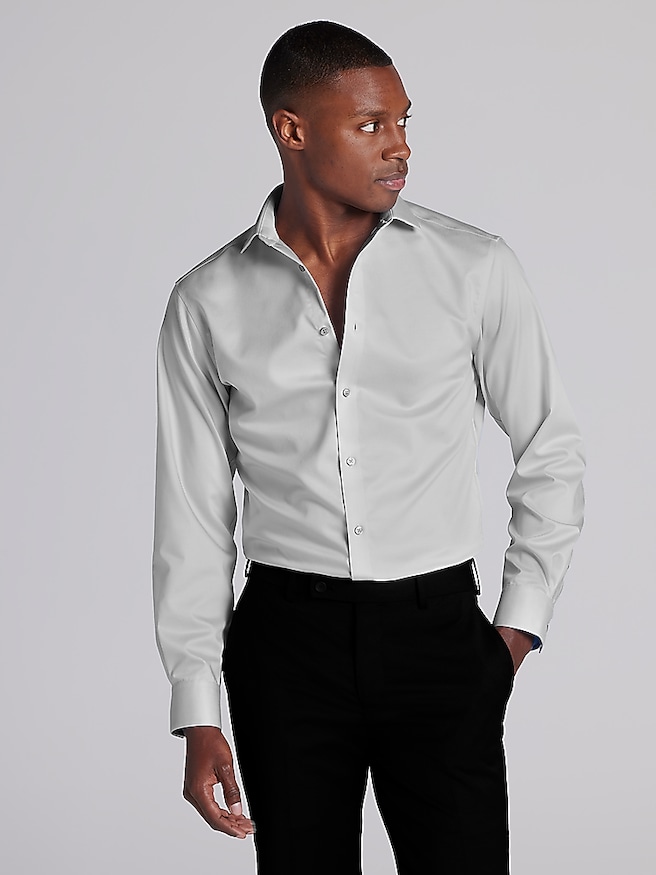
Men's casual shirts are everyday tops designed for relaxed settings, with styles ranging from woven button-front shirts to polos, henleys, and other easygoing knits. Their character comes from the combination of fabric, fit, collar shape, sleeve length, and finishing details rather than a single dress code. Compared with a traditional dress shirt, a casual shirt often has a softer collar, a more noticeable texture, or a hem designed to look balanced when left untucked. That flexibility makes casual shirts useful for everyday routines: coffee before an appointment, a relaxed office environment, dinner with friends, or a weekend spent moving between errands and family plans. A solid button-front shirt with dark jeans creates a clean, understated outfit, while a small check or stripe adds interest without requiring much else. Polos sit comfortably between a T-shirt and a woven shirt, offering a collar with the flexibility of knit construction. Henleys bring a different kind of detail through their short button placket and collarless neckline. Short-sleeve and long-sleeve designs each have a place in a year-round wardrobe, depending on personal preference, setting, and how the shirt will be layered. Color also influences how easily a shirt works with familiar pants and shoes. White, navy, gray, and muted earth tones tend to coordinate with a broad range of denim and chinos, while richer colors and larger patterns make the shirt a stronger focal point. For an untucked outfit, a hem that falls around the middle of the fly generally creates a more deliberate proportion than a long shirttail intended to stay inside trousers. The overall effect should feel comfortable and considered, whether the setting calls for a polo with chinos or a textured button-front shirt worn open over a plain tee. Casual does not have to mean shapeless or unfinished; small choices in proportion and texture can give a straightforward outfit a distinct personality.
Fabric plays a large role in how men's casual shirts feel, drape, and hold their appearance through repeated wear. Cotton is widely used because it can feel soft against the skin and takes on different characteristics depending on the yarn and construction. Cotton jersey has a flexible, T-shirt-like feel, while Oxford cloth has a more substantial woven texture. Twill has a recognizable diagonal structure and can provide a smooth surface with a little more body. Linen brings visible texture and a naturally relaxed appearance, including creases that are part of its character rather than a sign of poor care. Blended fabrics can combine cotton's familiar feel with other qualities, such as improved shape retention or reduced wrinkling, though performance depends on the full fabric composition and construction. A small amount of stretch may make reaching, driving, or sitting more comfortable, but stretch should complement the fit rather than compensate for a shirt that is too tight. A good fit starts at the shoulders, where the seams should sit close to the natural shoulder edge unless the design is intentionally relaxed. Across the chest, the fabric should lie smoothly without pulling the buttons into gaps. There should also be enough room through the torso to sit comfortably without excess material gathering at the waist. Slim fits generally follow the body more closely, while classic or relaxed fits provide additional room; those labels can vary, so measurements are more dependable than the name alone. Sleeve length and cuff placement matter, too. Long sleeves should allow the elbows to bend without drawing the cuffs far up the forearms, and short sleeves should leave comfortable room around the upper arm. For anyone who spends much of the day at a desk or behind the wheel, testing the shirt while seated can reveal restrictions that are easy to miss while standing. A smooth inner collar, flexible armholes, and unobtrusive seams are details that can make a noticeable difference over several hours.
Durability in casual shirts depends on more than fabric weight. Even stitching, securely attached buttons, neatly finished seams, and fabric that returns to shape after gentle movement all contribute to how a shirt wears over time. Heavier material is not automatically better; a lighter shirt with sound construction may suit its intended use more successfully than a substantial fabric that feels stiff or restricts movement. Care requirements are another practical consideration, especially for shirts expected to move through a regular laundry routine. The care label should determine washing, drying, and ironing methods, since similar-looking fabrics can need different treatment. Where machine washing is permitted, avoiding an overloaded washer can reduce unnecessary friction and help clothing rinse thoroughly. Prompt attention to spills, using a treatment appropriate for the fabric, can keep a small mark from becoming a lasting distraction. Excessive dryer heat may contribute to shrinkage or damage stretch fibers, so the recommended drying method matters as much as the wash setting. Woven shirts often benefit from being smoothed and hung after laundering, while some knits retain their shape better when folded or dried flat as directed. Building a wardrobe around Men's Stylish Shirts can still be straightforward: a mix of solids, restrained patterns, and distinct textures creates variety without making every outfit a new project. A textured shirt can add depth to plain chinos, while a simple polo allows patterned pants or distinctive shoes to stand out. Casual shirts can also make thoughtful birthday or milestone gifts for someone who values clothing that fits into an established routine. The most useful choice reflects the recipient's usual fit, preferred colors, tolerance for ironing, and approach to tucking or layering. Someone who wears shirts open over tees may appreciate a different cut from someone who prefers a trim polo under a casual jacket. With those everyday habits in mind, a casual shirt becomes a dependable part of getting dressed rather than something reserved for an imagined occasion.