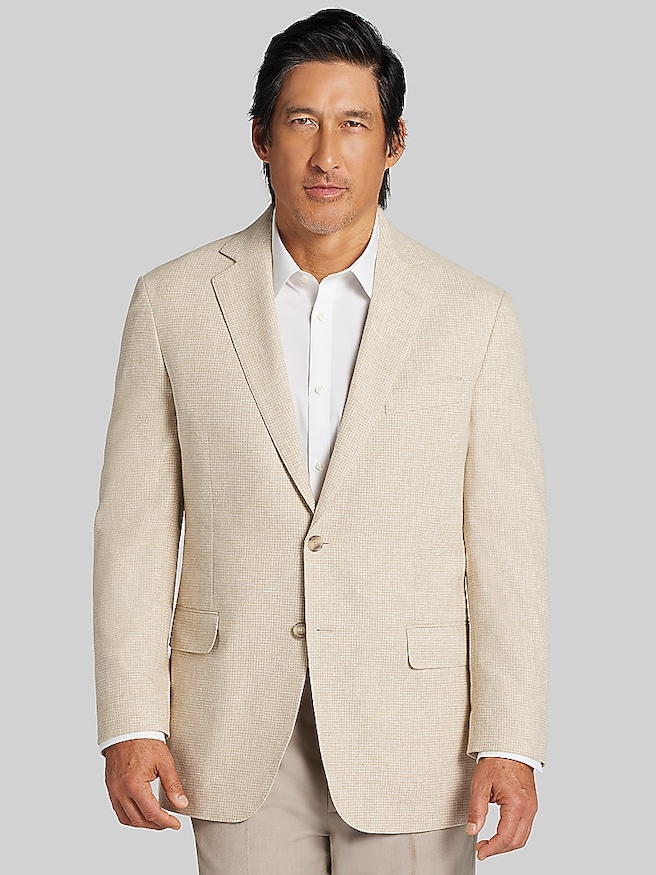
Men’s spring apparel brings together breathable shirts, lightweight layers, comfortable pants, and footwear that works for both casual plans and dressed-up occasions. The defining qualities are manageable fabric weight, room to move, and versatility across a day that might include an outdoor commute, an office meeting, and dinner on a patio. Cotton, linen, lightweight wool, and thoughtfully constructed blends each have a place in a spring wardrobe. Cotton can feel soft against the skin and suit everyday wear, while linen’s open texture and natural creasing give shirts and tailoring a relaxed character. Lightweight wool can offer a smoother drape for dressier settings without the bulk associated with heavier fabrics. Fiber content tells only part of the story: weave, lining, and overall construction also affect how airy or substantial a garment feels. An unlined or partially lined jacket may feel less restrictive than a fully lined style, while a tightly woven cotton shirt can provide more structure than a loose, textured weave. Spring outerwear often favors lighter jackets and adaptable layers rather than substantial insulation. A simple zip-front jacket suits an easygoing weekend outfit; a softly constructed blazer gives trousers and a collared shirt a more finished appearance. Water-resistant finishes can be useful for brief showers, although they should not be confused with full waterproof protection. Fit matters just as much as weight. A jacket should sit comfortably across the shoulders, allow the arms to reach forward, and leave enough space for the intended shirt or knit layer underneath. Sleeves that bunch excessively and fabric that pulls across the back can interrupt an otherwise clean silhouette. For someone moving between a desk, a car, and outdoor plans, that freedom of movement makes spring clothing practical rather than merely seasonal. The strongest combinations feel appropriate to the setting while remaining comfortable through ordinary activities, from carrying a bag to sitting through a long meal.
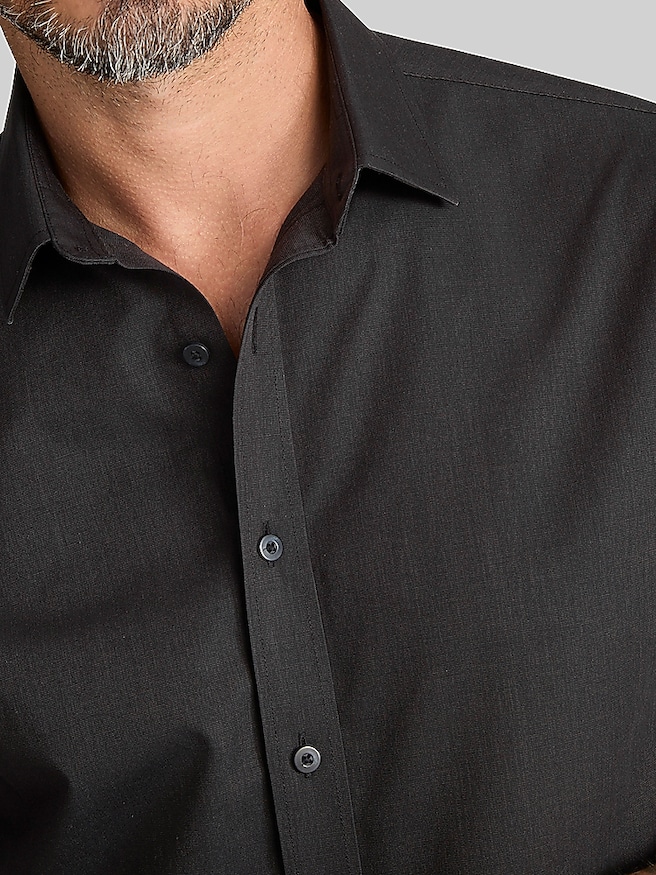
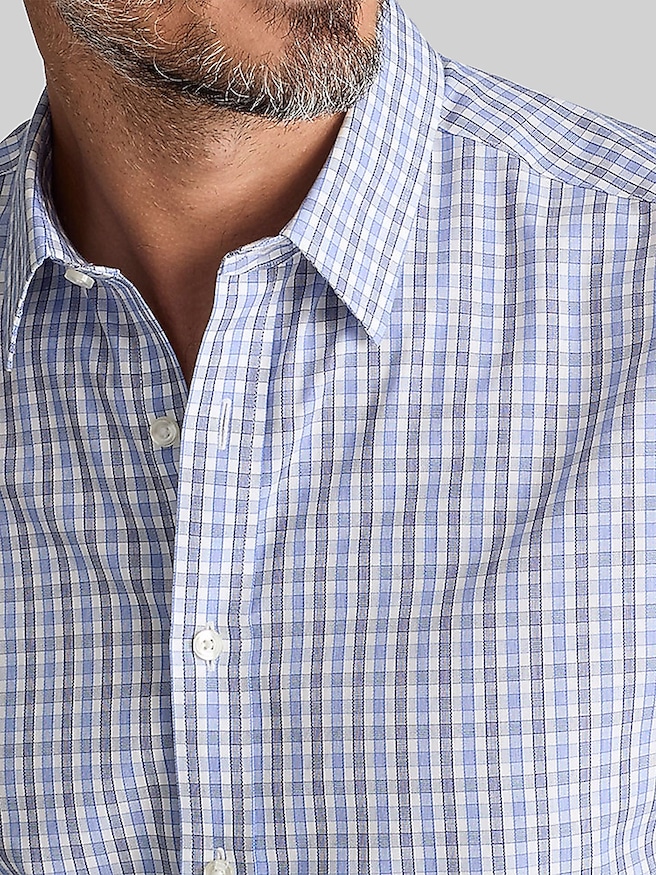
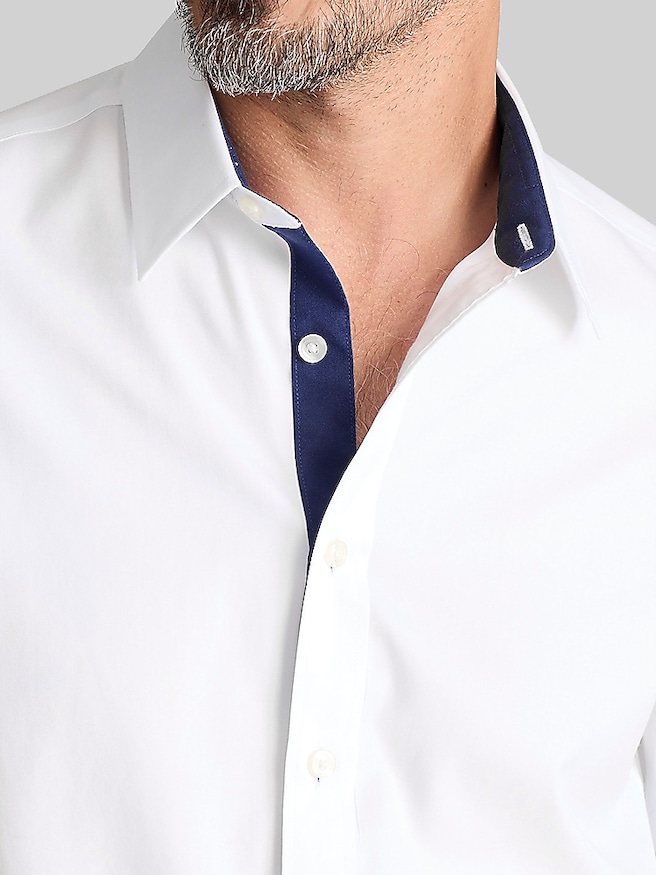
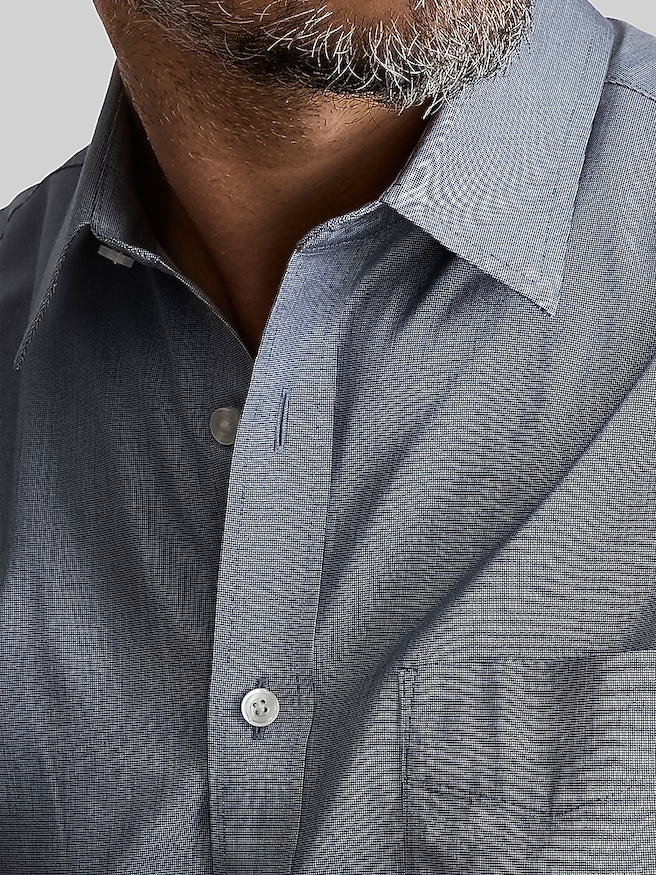
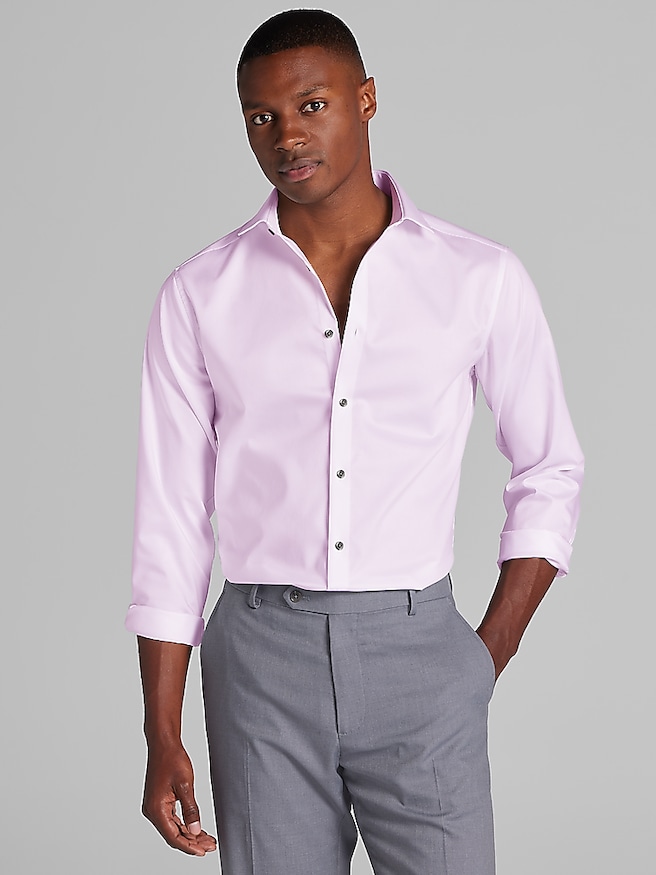
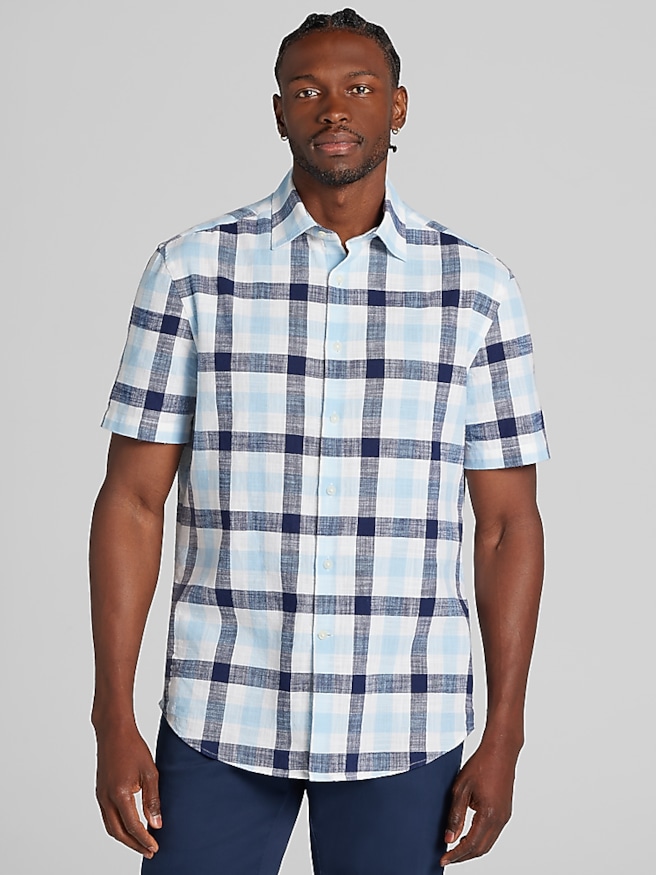
Shirts are central to men’s spring clothing because they can establish the tone of an outfit without requiring several additional layers. A crisp button-down looks at home with chinos for a business-casual office, while a textured woven shirt or knit polo offers a less formal option for a weekend lunch. The range of men’s spring casual shirts reflects this everyday role: easy-to-wear silhouettes, lighter fabrics, and patterns or colors that can coordinate with familiar pants and jackets. Pale blue, soft green, cream, and muted earth tones create a lighter palette without making every outfit feel conspicuous. Navy, charcoal, and darker denim remain useful anchors, especially when a shirt has a small print, stripe, or visible texture. Fabric opacity deserves attention with lighter shades; a fine weave may reveal an undershirt more readily than a more substantial cloth. Collar shape, sleeve length, and hem construction also influence how a shirt wears. A shorter, straighter hem generally looks more intentional untucked, while a longer shirttail hem is better suited to staying inside trousers. A good fit leaves enough ease through the chest and waist for sitting and reaching without excessive billowing. Knit polos offer softness and give, but their collars and hems still need enough structure to maintain a neat appearance. Pants provide a similar balance between comfort and definition. Chinos bridge casual and polished settings, lighter-weight denim gives familiar weekend outfits less bulk, and tailored trousers support occasions that call for a sharper finish. Slim, straight, and relaxed cuts can all work; the right choice depends on body proportions, preferred ease, and the footwear worn with them. A waistband should feel secure without digging in, and the seat and thighs should allow comfortable movement. Stretch can help, though fabric recovery matters too, particularly for pants worn through a full day of sitting and walking. A clean hem keeps the overall look deliberate, whether it meets a loafer, rests lightly on a sneaker, or finishes above a low-profile casual shoe.
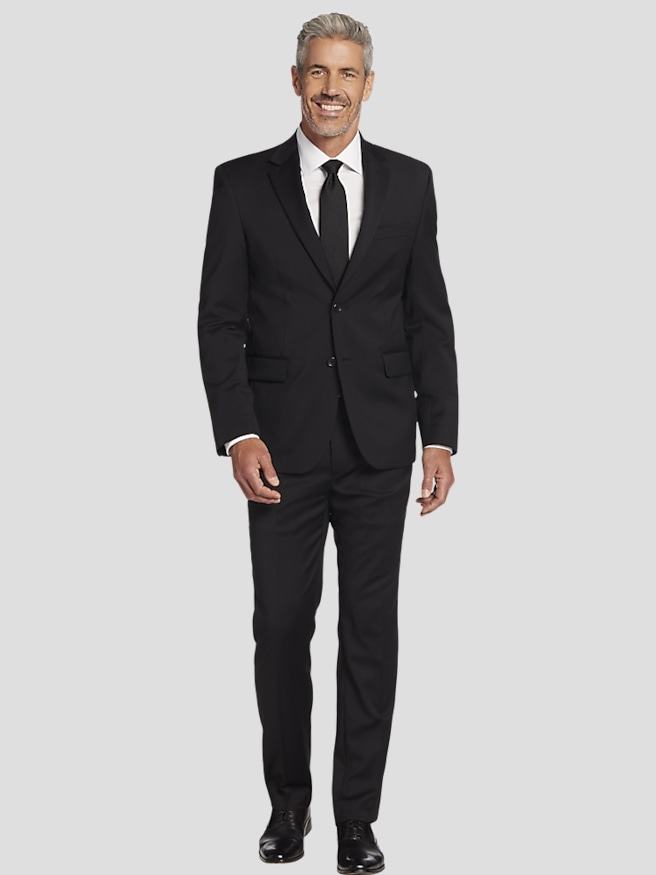
Spring occasions range from graduation celebrations and daytime weddings to work gatherings, outdoor dinners, and ordinary weekends, so apparel benefits from a clear sense of intended use. Lightweight tailoring can suit a dressier invitation, but the event’s dress code still determines whether a suit, a blazer, or a more relaxed combination is appropriate. An outdoor ceremony may favor breathable fabric and comfortable shoes, while an indoor reception can call for a more polished silhouette. Loafers, clean leather sneakers, and other low-profile shoes complement many spring outfits, with the level of formality guiding the choice. Footwear comfort depends on more than appearance: heel security, toe room, cushioning, and flexibility all become noticeable after time spent standing or walking. Leather can develop character with regular care, while suede needs particular attention around moisture and staining. The same practical thinking applies to clothing durability. Even stitching, secure buttons, stable seams, and fabric that retains its shape contribute to garments that remain useful beyond a handful of wears. High-friction areas such as trouser pockets, elbows, and collars tend to show wear first, making construction and care especially relevant for frequently worn pieces. Care labels should guide washing, drying, ironing, and professional cleaning, since similar-looking fabrics may require different treatment. Linen’s wrinkles are part of its texture, though pressing can create a crisper finish; cotton may shrink or lose its shape if exposed to unsuitable heat. Knit garments often benefit from careful drying and storage that avoids stretching the shoulders. Giving clothes room in a closet also helps reduce crushing and unnecessary creasing. For gifts, versatile spring apparel can be a thoughtful choice for a graduate, a partner, a father, or someone settling into a new workplace, provided the recipient’s measurements, usual dress habits, and care preferences are considered. An understated color and a familiar fit often make a garment easier to wear repeatedly. Across everyday and special-occasion wardrobes, men’s spring apparel earns its place through comfortable construction, useful combinations, and fabrics that suit the way the clothing will actually be worn.