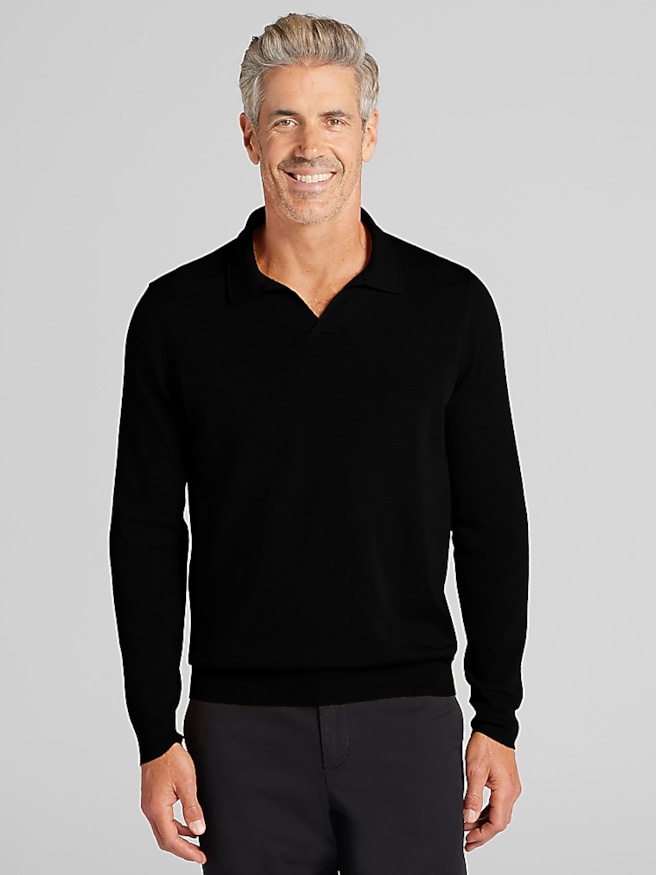
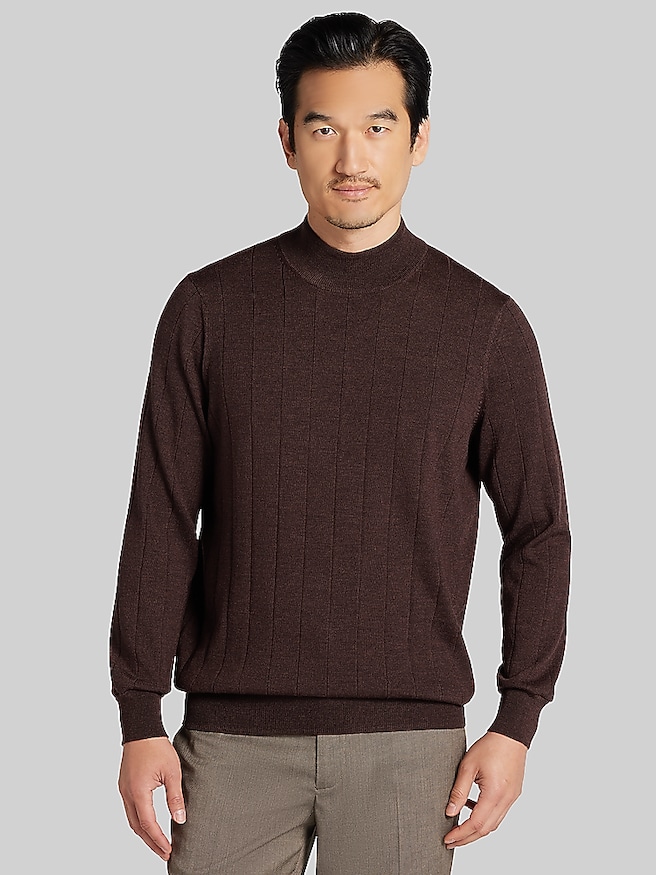
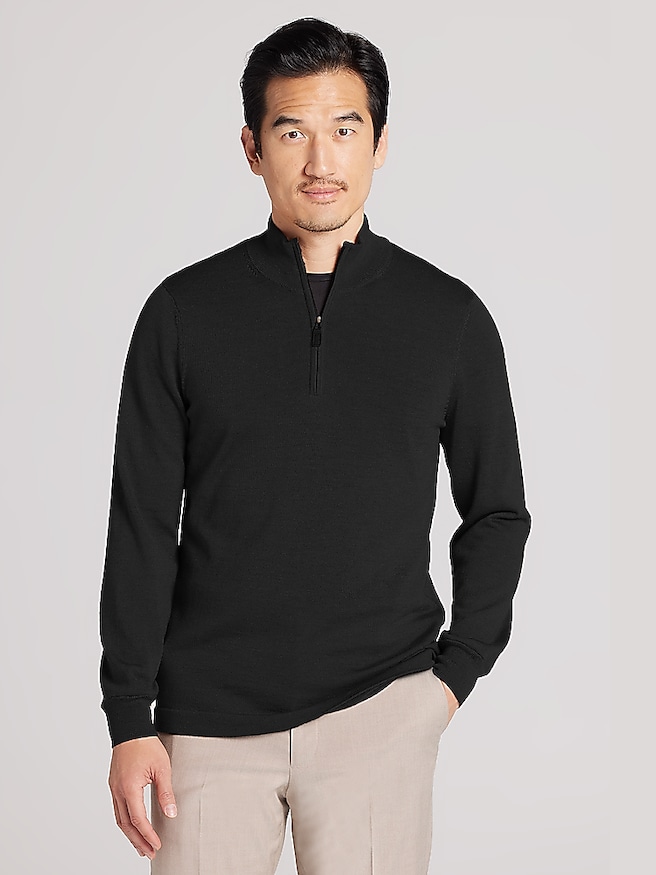
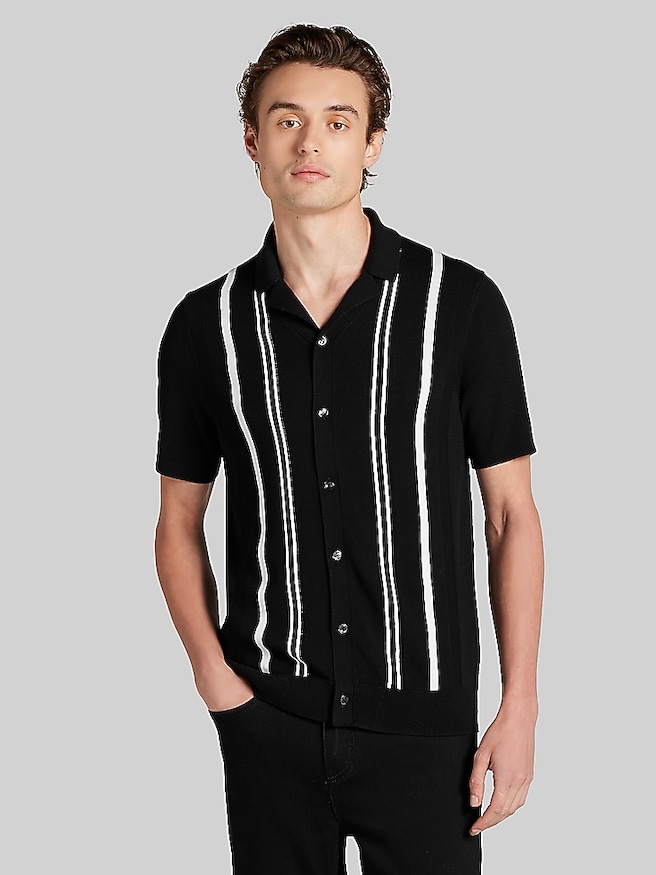
Men’s small sweaters combine the ease of knitwear with proportions suited to a smaller size, whether the look calls for a simple crewneck, a V-neck over a collared shirt, or a cardigan with an open front. Size small is a starting point, not a universal set of measurements: chest width, sleeve length, shoulder placement, and body length can vary by cut and construction. A small sweater is not necessarily designed for a shorter person, and a slim fit describes the shape of the garment rather than its labeled size. That distinction matters when a sweater fits neatly across the chest but extends too far past the hips, or has the right length but pulls across the upper back. The most useful reference is the applicable size chart, considered alongside the measurements of a sweater that already fits comfortably. On a style with set-in sleeves, the shoulder seams generally sit close to the edges of the shoulders; a dropped-shoulder design intentionally creates a more relaxed line. Sleeves should allow easy movement without gathering heavily at the wrists, while the hem should sit comfortably without riding up whenever the arms reach forward. A little room through the torso helps a sweater drape cleanly, especially over an undershirt or button-down. Too much tension can stretch the knit across the chest and make the layer underneath more visible. A relaxed shape, by contrast, can look intentional when its sleeves and hem remain in proportion. Within the broader Men Sweaters collection, these differences in silhouette help distinguish a close-fitting layer for tailored outfits from an easygoing sweater worn with jeans. For someone who wears small across several clothing categories, checking the actual sweater measurements still matters more than assuming every small will fit alike.
Fabric and knit structure give men’s small sweaters much of their character, affecting how they feel against the skin, hang on the body, and hold up to repeated wear. Cotton often has a familiar, soft hand and works well in straightforward everyday outfits. Its weight varies considerably, from fine, smooth knits that sit neatly under a jacket to thicker constructions with a more substantial drape. Merino wool is known for its fine fibers and ability to manage moisture, making it useful for days that move between a commute, a desk, and an evening gathering. Cashmere has a particularly soft feel, though its fine fibers benefit from gentle handling and careful storage. Blended yarns can combine qualities from several fibers, such as cotton’s feel with the resilience of a synthetic component; the fabric label gives a clearer picture than appearance alone. Texture also changes the overall effect. A fine-gauge knit creates a relatively smooth surface that pairs easily with tailored trousers, while ribbing, cables, and other raised patterns add depth to a simple outfit. In a small size, these details can influence the silhouette: pronounced texture adds visual substance, while a smooth knit keeps the outline understated. Neither approach is inherently more flattering; the better choice depends on the desired shape and how the sweater will be layered. Necklines offer another practical distinction. A crewneck creates a clean frame around the face and works well over a plain T-shirt. A V-neck leaves more room for a shirt collar or tie to show without crowding the neckline. A quarter-zip allows the opening to be adjusted, while a cardigan can be worn open or buttoned for a more defined front. Ribbed cuffs and hems help shape the edges, but they should feel comfortable rather than restrictive. A neckline that lies flat, seams that sit smoothly, and a knit that recovers after gentle stretching are useful details to assess alongside softness.
The appeal of a well-proportioned small sweater is how easily it can move between everyday settings without requiring an elaborate outfit. A smooth crewneck with chinos and leather shoes creates a composed look for a casual office, while a textured knit with dark denim feels relaxed enough for dinner with friends. Over a button-down, a sweater can soften the formality of tailored trousers while keeping the collar visible and the outfit deliberate. The underlying shirt should have enough room to sit flat, without excess fabric bunching around the waist or elbows. Under a sport coat, a finer knit generally creates less bulk through the sleeves and shoulders than a heavily textured construction. Neutral shades such as navy, gray, cream, and black are easy to repeat across a wardrobe, while a richer color can become the focal point against simple pants. Repeated wear also makes care an important part of choosing knitwear. The care label takes priority, since sweaters with similar appearances may require different washing methods. When washing is permitted, the recommended water setting and a gentle detergent help protect the fibers; excessive heat and agitation can cause shrinkage, distortion, or surface wear. Sweaters that call for drying flat should be gently reshaped and supported rather than hung while wet, which can stretch the shoulders and lengthen the body. Folding for storage helps preserve the outline, especially with heavier knits. Some pilling can occur where fabric rubs against a bag strap, a jacket lining, or the sides of the body, and it does not automatically indicate poor quality. Careful use of a suitable fabric comb or sweater shaver, following its instructions, can tidy the surface without unnecessary abrasion. For a gift, a small sweater is a thoughtful choice when the recipient’s usual fit, preferred neckline, and care habits are known. A familiar color and manageable fabric can make it an easy addition to a working wardrobe, while attention to chest, sleeve, and body measurements helps turn a good-looking gift into something comfortable enough to wear often.