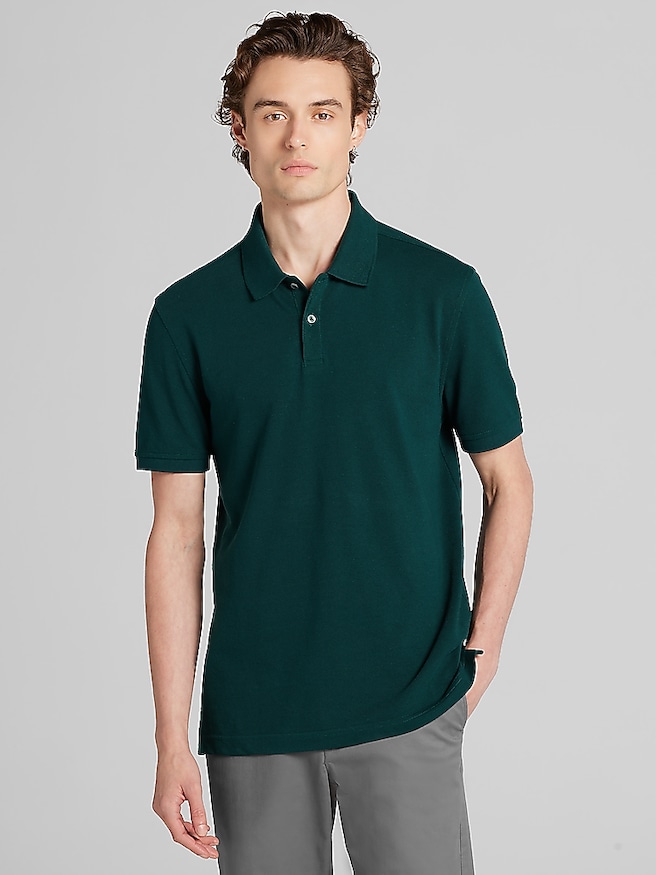
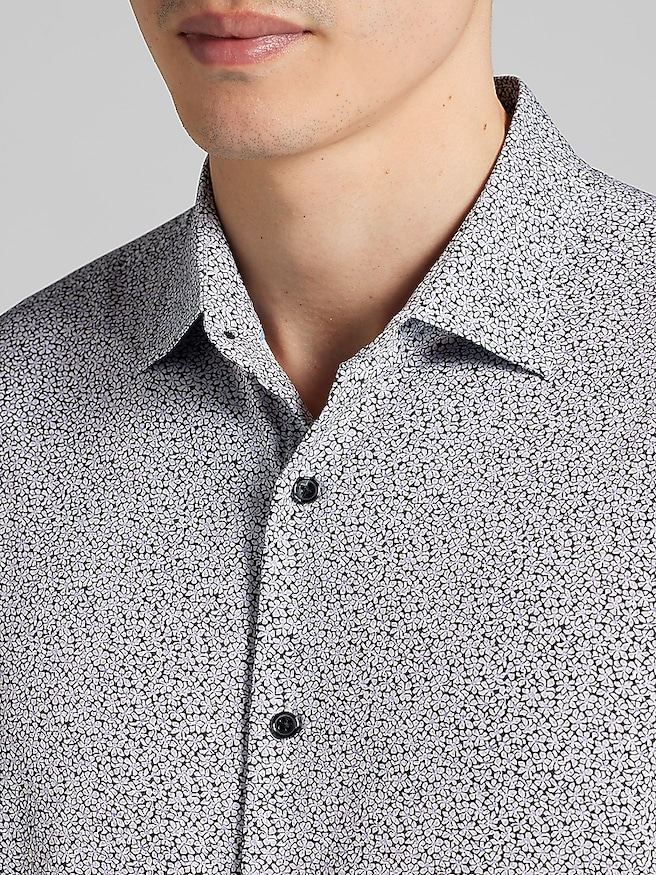
Men's small shirts bring everyday comfort and a balanced silhouette to wardrobes built around a smaller shirt size. The category spans casual T-shirts, polos, button-front shirts, and dress shirts, with each style serving a different purpose: a tee keeps an outfit simple, a polo adds a defined collar without the formality of a dress shirt, and a button-front style moves easily between relaxed and more polished settings. Size small describes a size designation, not a single body shape or a guarantee of a close fit. A small shirt may work for someone with a narrower chest or shoulders, but it is not necessarily designed for a shorter height. Body length, sleeve length, and the position of the armholes matter just as much as the letter on the label. Likewise, small and slim fit are not interchangeable. Size describes the overall dimensions, while fit describes how the fabric is shaped through the chest, waist, and sleeves. A regular-fit small shirt generally leaves more room through the torso than a slim-fit small, though measurements vary by maker and style. In a traditionally cut shirt, shoulder seams that sit near the natural shoulder edge help the sleeves fall neatly, while a smooth button placket suggests comfortable room across the chest. Pulling between buttons, excess fabric bunching beneath a jacket, or cuffs extending well over the hands can interrupt an otherwise clean outfit. Comfortable movement matters, too: reaching for a bag, sitting at a desk, and bending the elbows should not make the shirt feel restrictive. Shirts intended to stay tucked need enough length to remain in place during those movements. Untucked styles usually have shorter hems that look deliberate over jeans or chinos rather than resembling a dress shirt left unfinished. For dress shirts labeled by neck and sleeve measurements, those dimensions offer useful detail beyond a general small size, especially when the shirt will be worn with a tie or beneath a suit.
Fabric gives small shirts much of their character, from the soft drape of a knit tee to the crisp surface of a woven dress shirt. Cotton is a familiar choice for its softness and breathability, but the way it is woven or knitted changes how it feels and wears. Poplin has a smooth, relatively flat surface that works well in polished outfits. Oxford cloth has a more noticeable texture and a substantial hand, making it a natural match for chinos, denim, and less formal tailoring. Twill has a diagonal weave that can give a shirt a supple drape, while jersey provides the flexible feel associated with many T-shirts. Piqué knit adds subtle texture to polos and helps distinguish them from smoother jersey styles. Linen brings visible texture and a relaxed character; its natural creasing is part of the fabric's appearance rather than necessarily a sign of poor care. Blended fabrics may add stretch, support shape retention, or simplify maintenance, depending on their composition and finish. A little stretch can make reaching and sitting more comfortable, but it does not replace adequate room through the shoulders and chest. Fabric weight also affects how a shirt settles on the body: lighter cloth tends to drape more softly, while more substantial fabric can create a defined outline. Closely spaced stripes, small checks, and solids offer different ways to add interest without changing the shirt's proportions. Durability depends on fabric construction, stitching, and care as well as fiber content. Even seams, securely attached buttons, and neatly finished edges are useful details in shirts worn repeatedly for work or daily routines. Care labels remain the best reference for washing, drying, and ironing, since cotton, blends, and specialty finishes can require different treatment. Excessive heat may cause shrinkage or affect stretch fibers, and that change can be especially noticeable in a shirt that already fits closely. Promptly hanging a woven shirt or folding a knit neatly helps preserve its appearance between wears.
The right men's small shirt fits into the day without demanding constant adjustment. For an office setting, a smooth dress shirt with a collar that sits comfortably under a jacket creates a tidy foundation for trousers and a belt. At a client lunch or a workplace with a more relaxed dress code, a polo or a textured button-front shirt can look composed without feeling overly formal. A plain tee paired with well-fitting jeans offers a straightforward option for errands, casual dinners, and time with friends. Weddings, graduations, and other dressier occasions place greater emphasis on collar shape, sleeve length, and how the shirt sits beneath tailoring. A dress shirt should leave comfortable room at the neck when fastened, while cuffs should sit neatly at the wrist and work with the jacket's sleeve length. Color and pattern help shirts serve more than one purpose. White and light blue create familiar combinations with many trouser colors, while deeper neutrals and understated patterns can bring variety to everyday outfits. Layering adds another dimension without requiring an oversized base shirt. A smooth-fitting tee can sit comfortably beneath an overshirt, and a neatly proportioned button-front shirt keeps excess fabric from collecting under knitwear. For coordinated layers, Men's Small Sweaters pair naturally with small shirts when both pieces leave enough room for movement. The shirt collar can frame a crew neckline or sit inside a V-neck, depending on the desired finish. Shirts also make practical birthday or graduation gifts when the recipient's size, preferred fit, and daily routine are known. The measurements of a shirt that already fits well are often more useful than assumptions based on height alone. Someone who spends most days in casual clothing may get more use from a comfortable knit, while someone who regularly wears tailoring may value a carefully proportioned dress shirt. Across those uses, balanced shoulders, suitable length, comfortable fabric, and straightforward care make a small shirt feel like a natural part of the wardrobe.