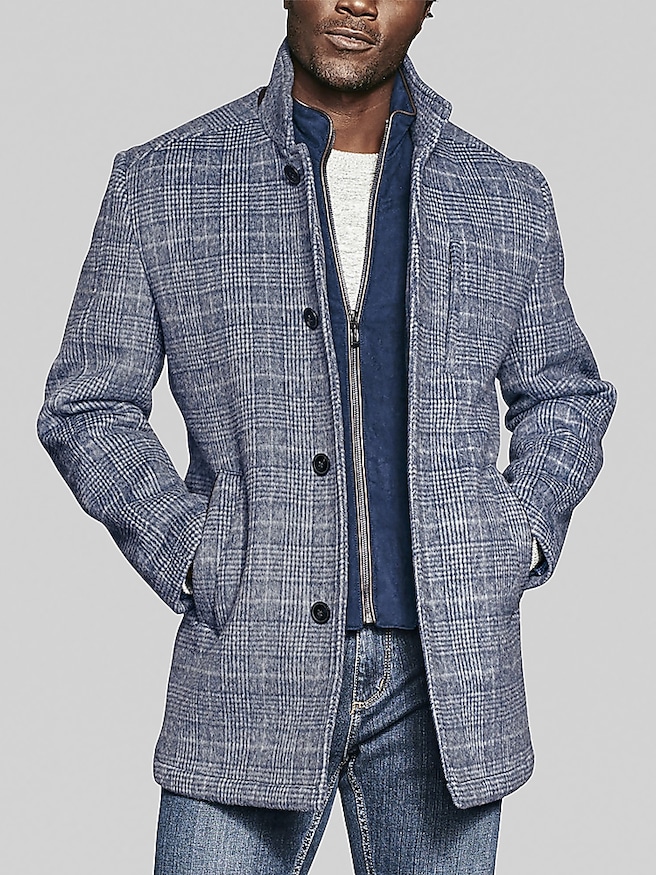
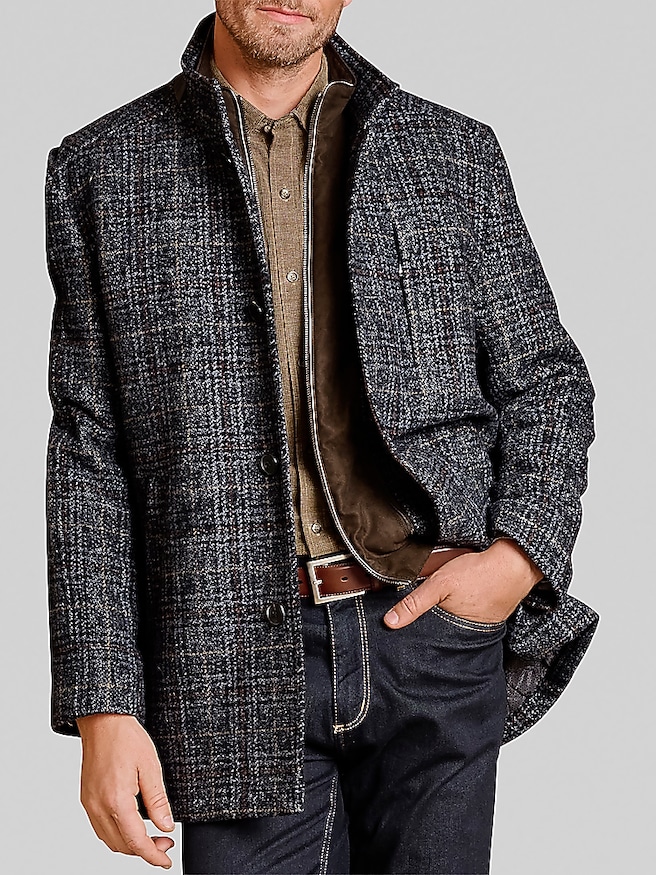
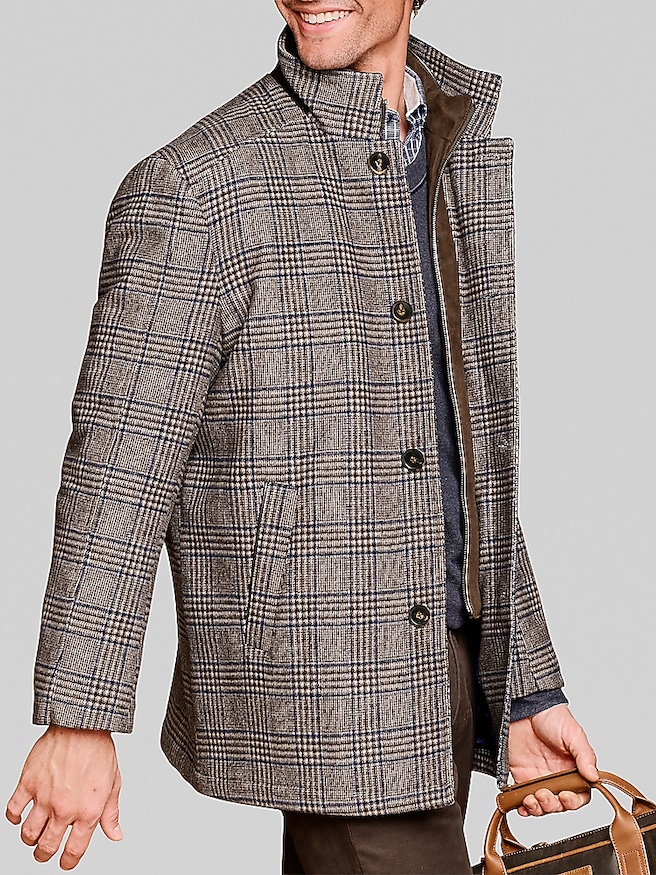
Men's small jackets bring the shape and finishing details of a well-chosen outer layer to a smaller size, with options suited to everyday dressing, casual workplaces, dinners, and travel. The size describes the jacket's overall measurements, not a single style or body type: a small can have a close, tailored silhouette or a more relaxed cut with room through the body. It also does not automatically mean short. A small jacket in a regular length may suit someone with a narrower chest and longer torso, while someone with a shorter frame may need different sleeve and body proportions. Chest measurements, shoulder width, sleeve length, and the intended fit all matter more than the size letter alone. Size charts are useful because measurements can vary by jacket category and construction. A structured jacket generally looks cleanest when the shoulders follow the natural shoulder line, the collar sits comfortably against the neck, and the front closes without pulling across the chest. Casual designs may have dropped shoulders or extra room as part of their shape, so a relaxed outline is not necessarily a sign of poor fit. The most comfortable fit also leaves enough space for everyday movement, whether reaching for a steering wheel, sitting at a desk, or lifting a bag onto a shoulder. Sleeves should allow the hands to move freely without excess fabric bunching at the wrists, though the ideal endpoint depends on the jacket style and cuff construction. Body length changes the overall impression, too: a shorter bomber creates a compact silhouette, while a longer field-style jacket offers more coverage over a shirt. For anyone wearing a jacket over knitwear, the fit should accommodate that extra layer without making the upper arms feel restricted. A small size that fits comfortably over a T-shirt may sit quite differently over a substantial sweater. Those distinctions help men's small jackets look intentional rather than simply smaller, with proportions that complement the wearer and enough ease to make the jacket useful beyond a single outfit.
Fabric gives a jacket much of its character, affecting how it hangs, feels, holds its shape, and responds to repeated wear. Cotton twill often has a smooth, sturdy surface that works well with chinos and casual shirts, while denim brings a more pronounced texture and gradually develops creases and fading at points of movement. Linen and linen blends have a distinctive, less structured appearance, including natural wrinkling that is part of the fabric's appeal. Wool and wool blends can create a refined drape in tailored jackets, with the final feel depending on the weave, fabric weight, and blend. Nylon and polyester fabrics often lend themselves to smooth finishes and easy movement, although stretch and performance characteristics depend on the actual construction rather than the fiber name alone. Leather and suede offer distinctive texture and can develop character with wear, but each needs care suited to its finish. A lining can help sleeves slide over a shirt, while an unlined or partially lined jacket may have a softer, less structured feel. Details such as securely attached buttons, even seams, reinforced pocket openings, and a zipper that moves smoothly contribute to everyday durability. Pockets deserve attention beyond their appearance: a chest pocket can finish a tailored look, while accessible side pockets provide a convenient place for small essentials. Overfilling them can distort the jacket's outline, particularly in a closer-fitting small size. Care should follow the garment label, since similar-looking fabrics can require very different treatment. Some jackets permit machine washing, while others call for professional cleaning or specialized leather care. Prompt attention to marks, occasional airing between wears, and storage on a hanger suited to the jacket's shape can help preserve its appearance. Structured shoulders benefit from support rather than a narrow hanger that leaves pressure points. For washable styles, following the recommended drying method is especially important because unwanted shrinkage can change the fit through the chest, sleeves, and body.
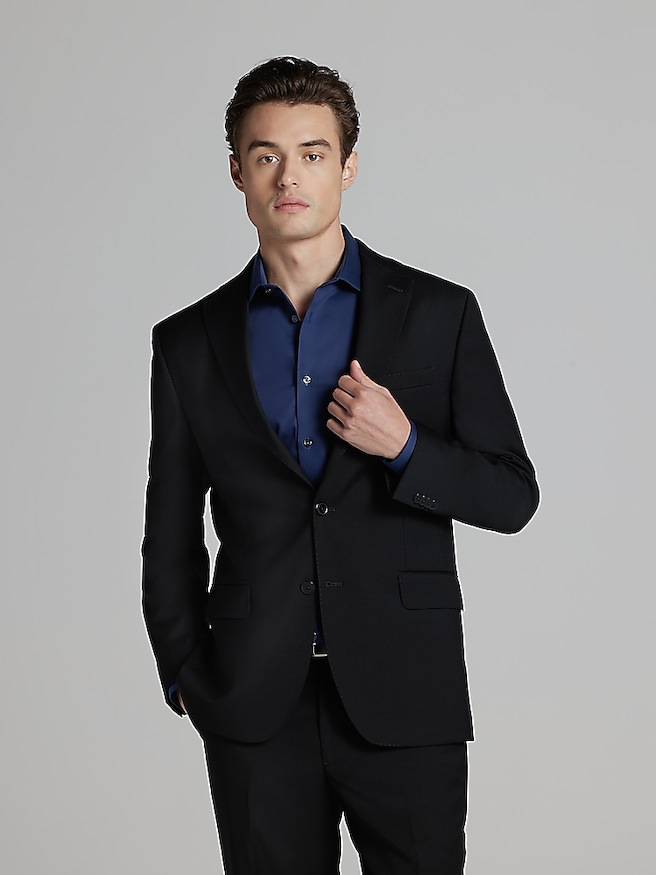
The most useful men's jackets in size small fit naturally into the wearer's routine, whether that means a neat layer over an office shirt or an easy finishing piece for jeans and a knit top. A bomber jacket's defined cuffs and hem create a clean outline with straight-leg denim or tapered chinos, while a denim jacket adds texture to simple combinations such as a solid T-shirt and dark pants. Field-inspired shapes bring visible pocket details and a more utilitarian character; tailored jackets offer a sharper line for business-casual settings, restaurant dinners, and celebrations where a full suit is unnecessary. The relationship between the jacket and the pants helps set the tone. Pairing a textured jacket with smoother trousers creates contrast without needing a bold pattern, while similar shades can make an outfit feel cohesive. Navy, charcoal, black, olive, and tan each work with a range of familiar wardrobe colors, though the best choice depends on the shirts, shoes, and pants already in regular rotation. Collar shape also makes a difference: a stand collar frames the neck neatly, a point collar echoes the lines of a casual shirt, and lapels add structure around the chest. For layered outfits, Men's Small Sweaters can provide a complementary foundation beneath a jacket, with finer knits generally creating less bulk than thicker textures. A smooth sleeve lining and enough room through the armhole make that pairing easier to wear. Travel routines may place more emphasis on comfortable movement, useful pockets, and a fabric that recovers well after sitting, while frequent office wear may favor a tidy collar and a shape that stays neat over a button-front shirt. A jacket can also make a thoughtful gift for a partner, brother, son, or friend when the recipient's measurements and preferences are known. Checking the fit of a jacket that person already enjoys is more reliable than assuming every small fits alike. Matching the fabric, silhouette, and care requirements to everyday habits gives the gift lasting usefulness, whether it becomes the familiar jacket by the door or the finishing layer reserved for a polished evening out.