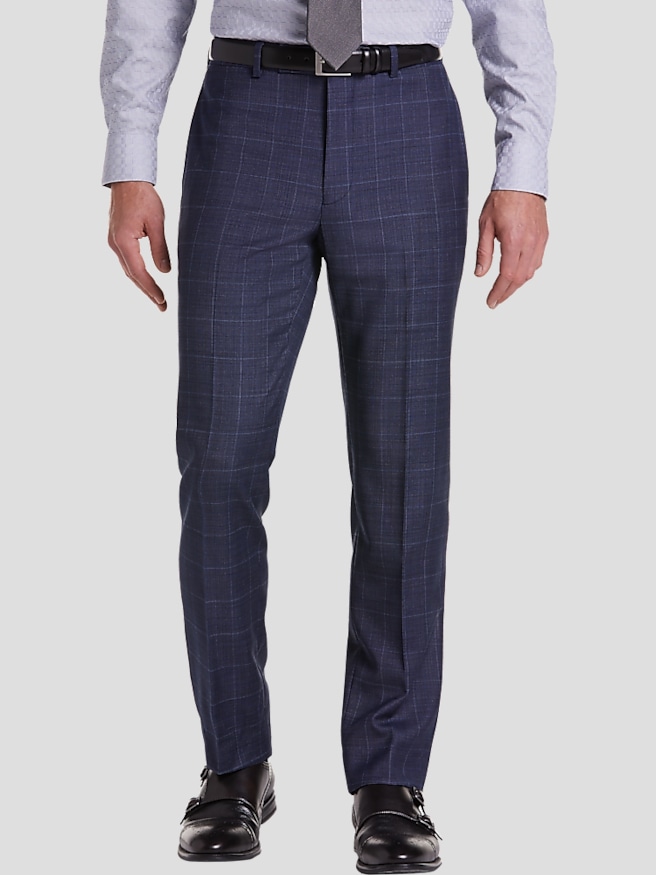
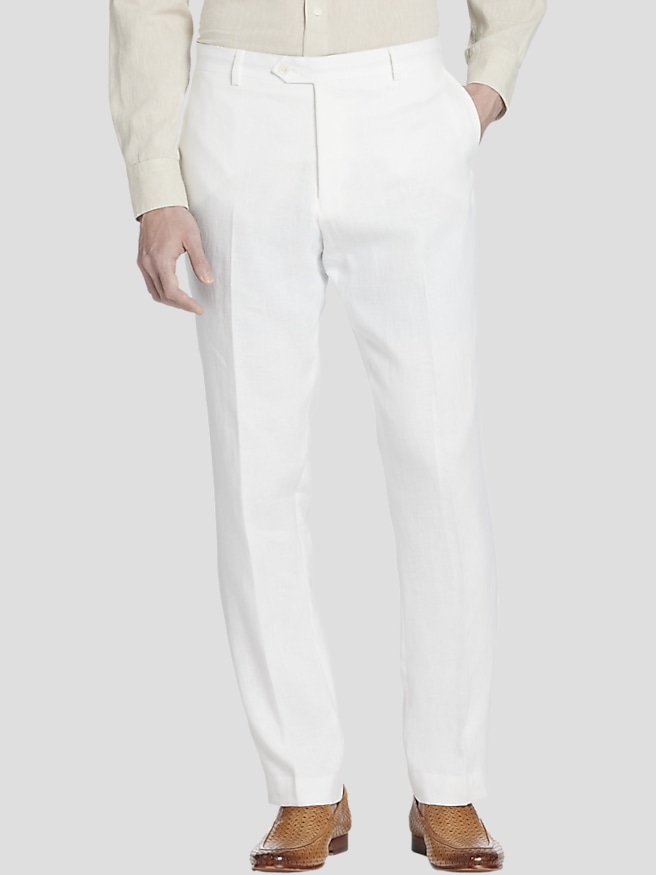
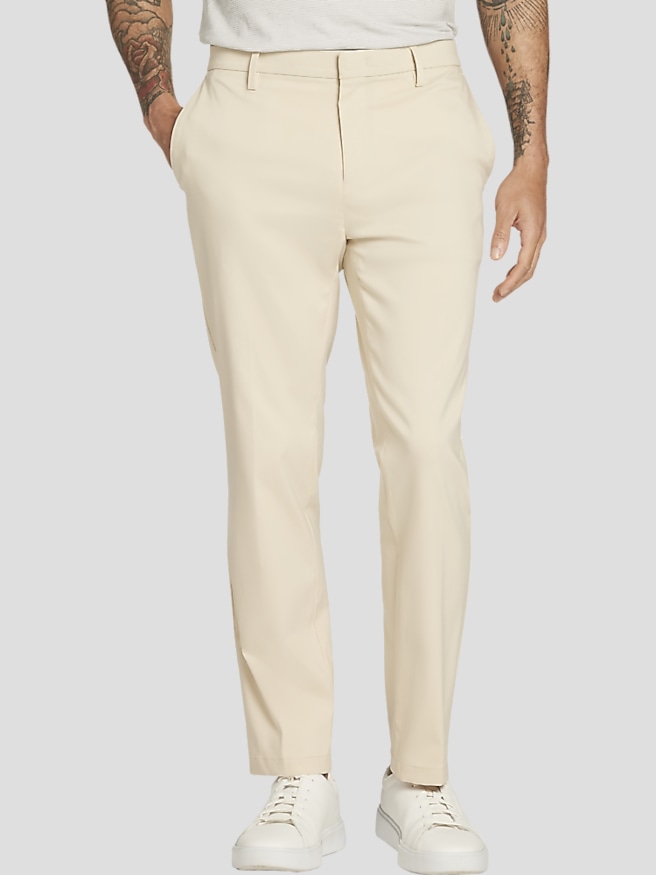
Men’s slim fit linen trousers combine the airy feel of linen with a narrow, tailored silhouette that looks polished without feeling overly formal. The defining features are a closer fit through the seat and thighs and a leg that generally tapers toward the ankle, although the exact shape varies by cut. Unlike a skinny fit, a well-proportioned slim fit leaves enough room to sit comfortably, climb stairs, and move through a full day without fabric pulling across the hips or knees. Linen brings its own character to that clean outline: a lightly textured surface, subtle variations in the yarn, and natural creasing that gives the fabric a relaxed appearance. Made from flax fibers, linen is valued for its strength, breathability, and ability to absorb and release moisture. Actual comfort also depends on the weight of the cloth, the tightness of the weave, and whether the trousers have a lining. An open, lightweight weave feels especially airy, while a more substantial fabric can offer greater coverage and a firmer drape. Pure linen typically has a crisp hand at first and often softens with wear and proper care. Linen blends introduce other qualities according to their composition. Cotton can add softness and body, while a small amount of stretch fiber may make a close-fitting cut more forgiving during movement. Neither pure linen nor a blend is automatically the better choice; the balance of texture, structure, and flexibility matters more than the fiber name alone. For someone who likes the ease of casual pants but prefers a more defined shape, slim fit linen trousers occupy a useful middle ground. They bring visible texture to a simple outfit without relying on a bold pattern, and their tapered profile works with both tucked shirts and neat, untucked styles. The effect is understated rather than stiff, especially when the fabric has enough room to fall smoothly from the hip.
That balance makes slim fit linen pants useful for relaxed offices, outdoor celebrations, destination travel, and dinners where jeans would feel too casual. A pale blue button-down with stone-colored trousers creates a crisp combination for a daytime gathering, while navy linen trousers with a fine-gauge knit polo feel more grounded for an evening out. Beige, sand, and light gray emphasize linen’s texture; deeper shades create a stronger contrast with light shirts and can feel especially natural during the cooler months. Color also affects how much attention creasing attracts, though no shade makes linen wrinkle-free. For a wedding with a relaxed dress code, linen trousers can pair well with a lightweight sport coat and leather loafers. They are not a substitute for the attire required by a black-tie invitation, and a separate jacket and trousers should look intentionally coordinated rather than almost, but not quite, matched. At work, a smooth shirt, restrained belt, and clean shoes help keep the textured fabric looking considered. On a trip to a mild climate, the same trousers can shift from a museum visit to dinner with a change of shirt and footwear. As temperatures drop, a merino sweater or softly structured jacket adds warmth without overwhelming the lighter fabric beneath it. Linen alone offers limited insulation, so comfort outdoors still depends on the forecast and the rest of the outfit. Shoppers comparing fabric weight as well as silhouette can also explore Mens Lightweight Linen Trousers, since a slim cut describes shape rather than how heavy or airy the cloth feels. Shoe choice helps set the tone: suede loafers soften a tailored outfit, minimal leather sneakers keep it casual, and sleek lace-ups make the overall impression dressier. A hem with little or no break often complements a tapered leg, while a modest break can suit someone who prefers more coverage over the shoe. The best length lets the trouser leg fall cleanly instead of gathering in thick folds at the ankle.
Comfort and lasting appearance depend on details that are easy to overlook when focusing only on the silhouette. The waistband should stay in place without needing a belt pulled tight, and the front pockets should lie reasonably flat rather than flare outward. Horizontal pulling across the fly, strained seams, or fabric gripping the calves can signal that a cut is too close, even if the waist measurement seems right. A higher or lower rise changes where the trousers sit and how they feel when seated, making it just as relevant as leg width. Pocket linings and partial linings can improve coverage in pale fabrics, but they may also change the way the trousers breathe and drape. Someone spending long stretches at a desk may appreciate a little more room through the thigh, while someone dressing for occasional gatherings may place greater emphasis on a precise hem and a clean line beneath a jacket. Thoughtful care helps preserve both. The garment’s care label should take priority, since fiber blends, dyes, linings, and waistband construction can call for distinct cleaning methods. When machine washing is permitted, a gentle cycle and mild detergent can reduce unnecessary wear; high heat may cause shrinkage or affect the fit. Promptly removing trousers from the wash and smoothing them before drying can limit deep creases. If ironing is allowed, pressing while the fabric is slightly damp often makes wrinkles easier to release, with the temperature set for the full fabric composition rather than linen alone. A steamer can soften everyday creases, although it will not create the same sharp finish as pressing. Hanging trousers neatly between wears and avoiding overfilled pockets also helps maintain their shape. Linen’s strength supports regular use, but a too-tight fit places avoidable stress on seams and high-friction areas. As a gift, slim fit linen trousers are most successful when the recipient’s waist, inseam, and preferred rise are known. For anyone who enjoys breathable tailoring and the lived-in texture of natural fibers, they offer an easy way to look composed without losing a sense of ease.