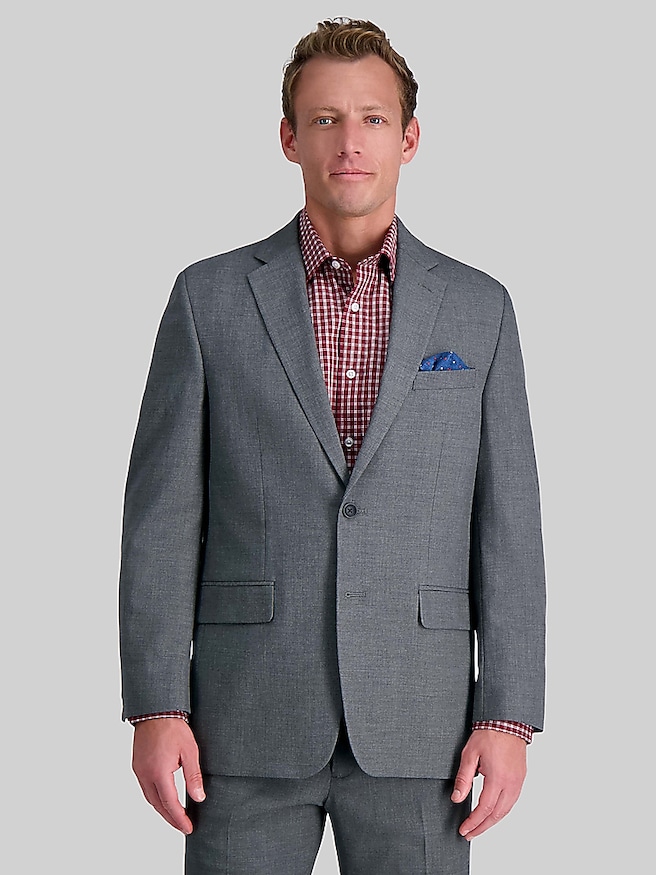
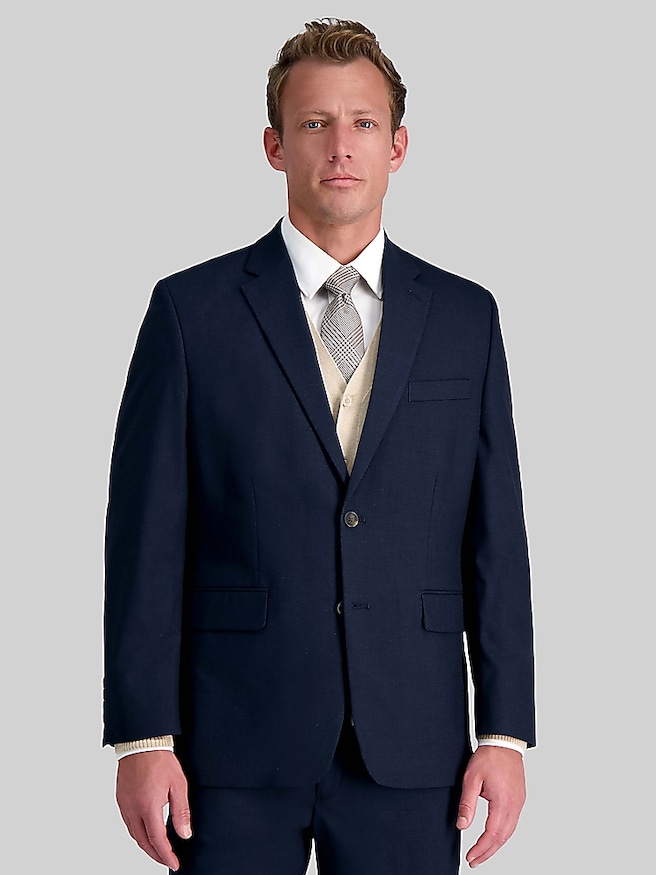
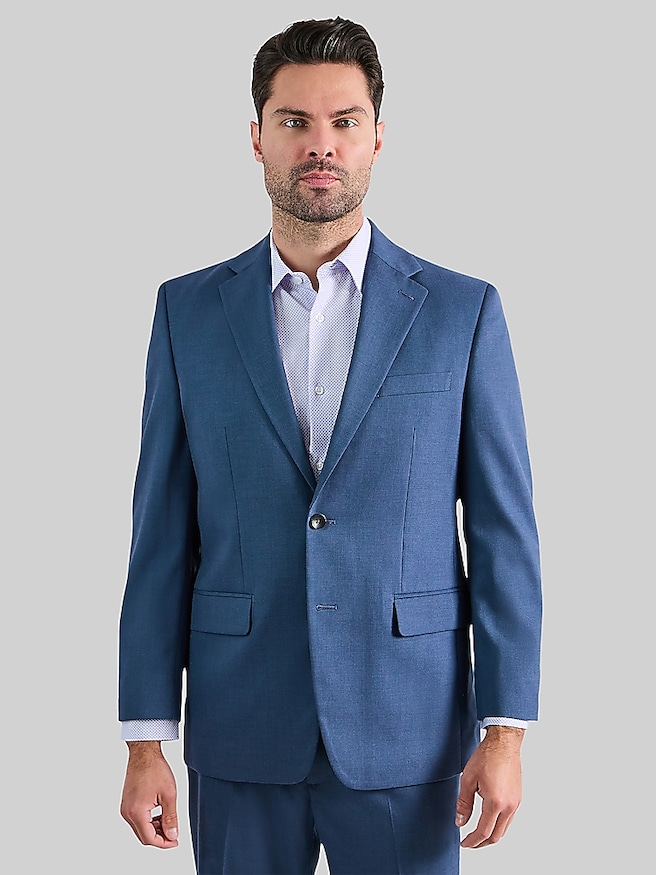
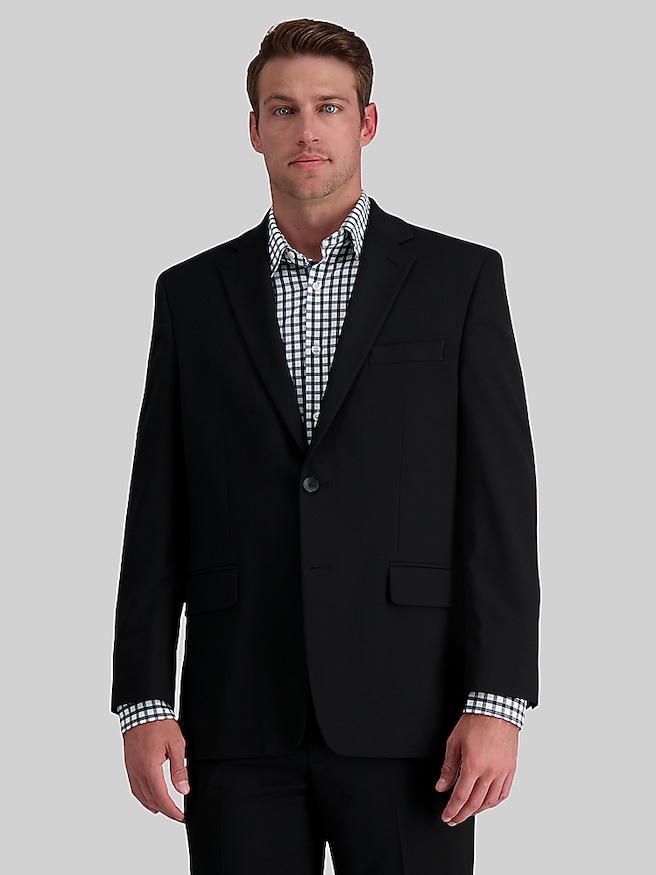
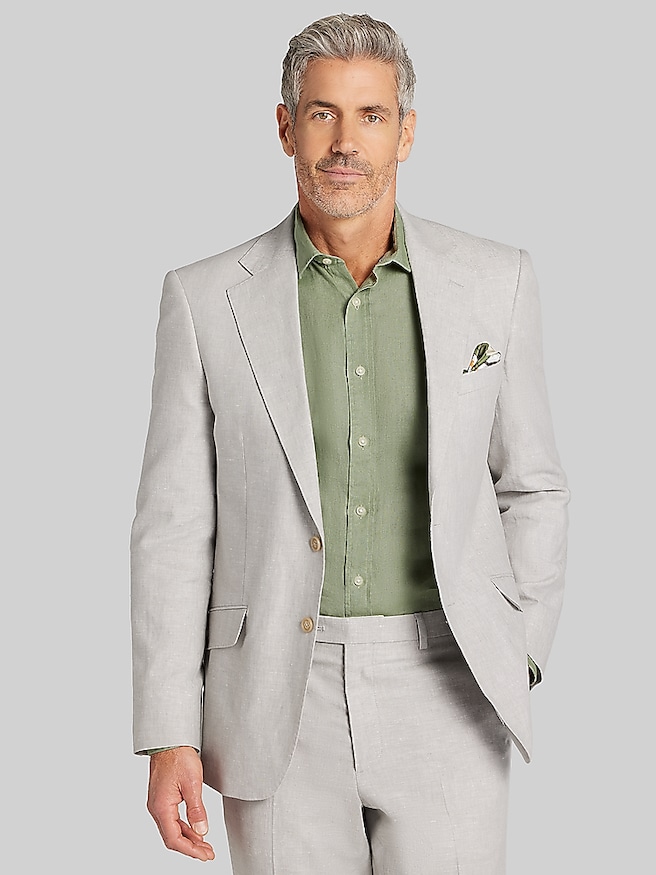
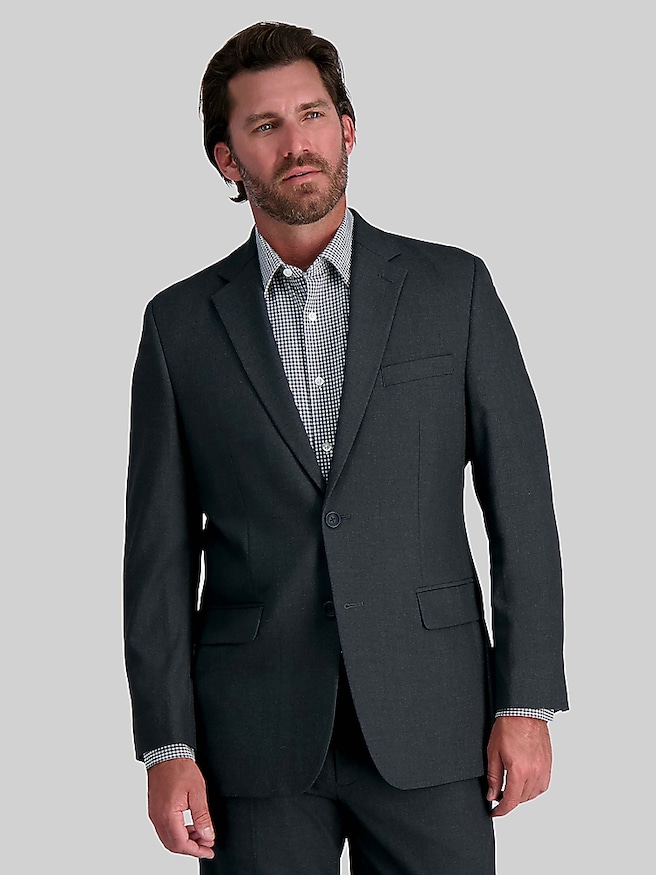
Men’s silver suits bring a distinctive finish to tailored dressing, balancing the familiarity of gray with a brighter, more expressive appearance. The color can range from a soft, pale silver with a nearly matte surface to a deeper metallic gray that catches the light as the wearer moves. That distinction matters as much as the shade itself: a subtle silver suit can look composed at a business reception, while a more lustrous fabric makes a stronger statement at a wedding, an awards dinner, or a milestone celebration. Under indoor lighting, a fine weave may reveal a gentle glow rather than an obvious shine, giving the jacket and trousers depth without relying on a bold pattern. Silver also provides a versatile foundation for the details around it. A crisp white shirt creates clean contrast, a pale blue shirt lends a quieter character, and a black shirt produces a more dramatic combination suited to an evening celebration. Navy, charcoal, burgundy, and muted purple ties can each bring definition to the lighter backdrop. For a groom, a silver suit offers a distinct alternative to dark tailoring, especially when coordinated with the wedding party through shared accessories rather than identical outfits. For guests, graduates, and anyone marking a personal achievement, it offers a polished look with enough character to feel special in photographs. The degree of sheen should suit the setting, and the invitation’s dress code remains important; a silver suit is not automatically a substitute for a tuxedo at a black-tie event. A matching jacket and trousers generally create the most cohesive expression of the color, while a coordinated vest adds dimension and keeps the outfit looking considered when the jacket comes off. The overall impression can be understated or celebratory, depending on the fabric, silhouette, and finishing touches rather than the color alone.
Fabric and construction shape how a silver suit looks up close and how comfortably it wears through a full occasion. Wool can provide a smooth drape, natural resilience, and a refined surface that gives pale gray tones richness without excessive gloss. Wool blends may combine that character with other qualities, such as added strength or stretch, depending on their fiber content and weave. Synthetic blends can create a sleek finish and may resist wrinkling, although comfort and recovery vary by construction. A small amount of stretch can make sitting through a ceremony or moving across a dance floor more comfortable, but it should complement a good fit rather than compensate for a jacket or waistband that is too tight. The lining also influences how easily the jacket slides over a shirt and how it feels during extended wear. On silver fabric, light makes the contours of tailoring especially noticeable, so clean lines are worth attention. Jacket shoulders should sit naturally without extending far beyond the body, and the lapels should lie flat rather than bow away from the chest. With the jacket buttoned, the front should look smooth instead of forming strong pulling lines around the closure. Trousers need enough room through the seat and thighs to allow comfortable movement, with a hem that falls neatly over the shoes. A narrow cut creates a streamlined profile, while a roomier cut can offer an equally polished appearance with more ease. Shoppers drawn to a closer silhouette and a quieter interpretation of the color can also explore Men's Gray Slim Fit Suits. The best proportion is not necessarily the tightest one; it is the one that keeps the suit balanced while standing, sitting, and walking. Small tailoring adjustments to sleeve length, trouser hems, or the waist can make a meaningful difference, particularly with a lighter shade that leaves the outline of the garment clearly visible.
Finishing details give silver tailoring its personality without needing to compete with the fabric. Black leather shoes create a sharp foundation, particularly alongside a white shirt and dark tie, while deep brown or burgundy leather can soften the contrast for occasions with a less formal tone. Matching the belt closely to the shoes helps the outfit feel coherent, and a simple buckle keeps attention on the tailoring. A pocket square with a restrained pattern can introduce texture, while a plain white square brings definition to the chest pocket without distracting from the suit’s finish. If the fabric already has noticeable luster, a matte tie or softly textured accessory often creates a more balanced effect than adding shine at every point. Patterns work best when their scale is considered together: a faintly patterned suit can pair comfortably with a solid shirt, leaving room for a tie with a more visible motif. For someone receiving a silver suit as a graduation or career-milestone gift, personal taste, preferred fit, and the settings in which it will be worn matter more than novelty. A restrained finish may offer more repeat use, while a brighter surface may better suit someone who enjoys dressing distinctly for celebrations. Thoughtful care helps preserve either look. Follow the garment’s care label, and have matching pieces cleaned together when professional cleaning is needed to help maintain a consistent appearance. Between wears, let the suit air out before placing it in a breathable garment bag, support the jacket on a broad hanger, and hang the trousers neatly to protect their shape. A gentle clothing brush can remove surface dust; spills need prompt attention according to the fabric’s care requirements rather than vigorous rubbing. Avoid pressing directly with high heat, which can leave unwanted shine or marks on some materials. Giving the fabric time to recover between occasions and addressing loose buttons or small seam issues early can help maintain its finish. With suitable proportions, considered accessories, and attentive care, a silver suit can become a dependable choice for memorable occasions rather than an outfit worn only once.