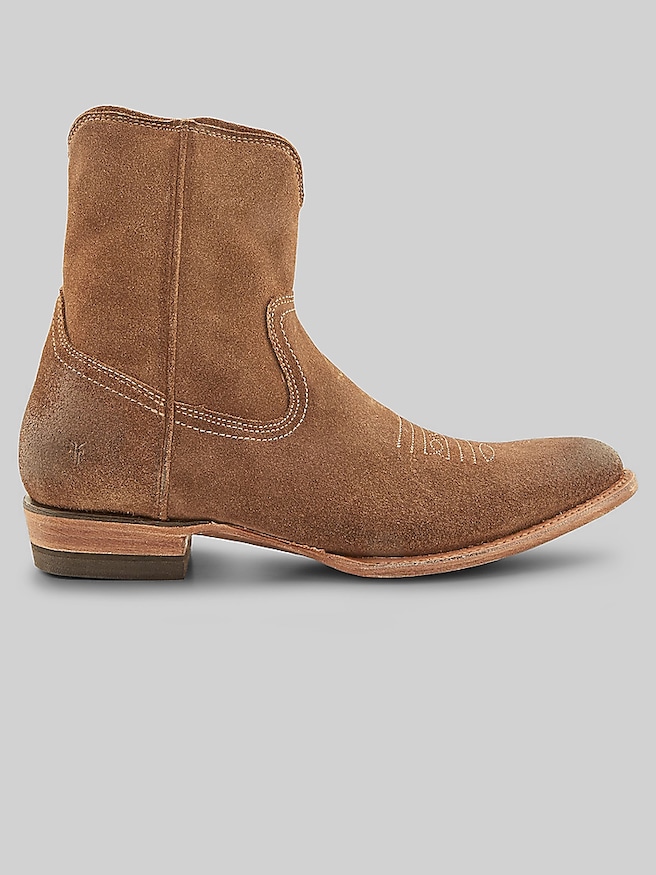
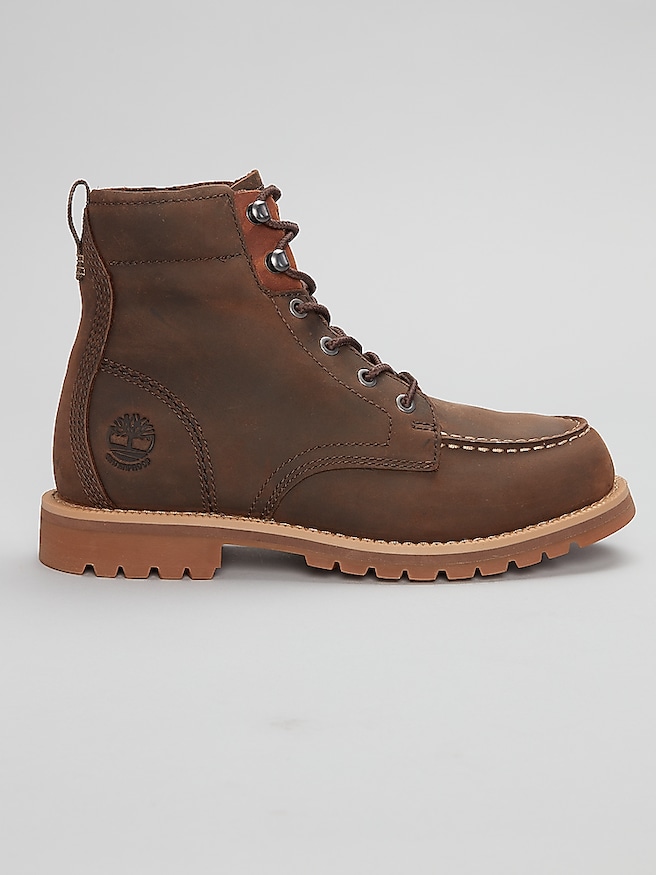
Men’s side zip boots combine the coverage of an ankle boot with a zipper opening that makes everyday dressing simpler. Instead of relying on a snug pull-on shaft or a full row of laces, the side opening gives the foot more room to slide into place, then closes for a neat finish around the ankle. That practical detail suits a range of looks, from smooth leather boots worn beneath tailored trousers to more substantial shapes paired with denim. On dressier designs, a discreet zipper preserves the clean lines of the upper, allowing the toe shape, leather texture, and stitching to carry the look. An almond-shaped toe tends to feel refined without appearing overly pointed, while a rounded toe lends itself to relaxed outfits and may offer more space across the front of the foot, depending on the design. A low heel and a shaft that sits close to the ankle can help a boot tuck beneath a trouser hem without creating a bulky outline. For an office day that ends with dinner, dark leather boots can bridge the gap between polished clothing and easy everyday wear: picture charcoal trousers, a fine-gauge sweater, and a jacket with enough texture to keep the outfit from feeling stiff. Brown leather and suede bring a softer finish to dark denim, corduroy, and heavier cotton pants during the cooler months. Black leather often creates a sharper visual line with gray or black trousers, especially when the boot has restrained stitching and a slim sole. For occasions that call for a more tailored shape, men’s zip up dress boots emphasize the polished side of this footwear category. The distinction comes down to the full design, not the zipper alone: a sleek ankle boot can complement a suit in many settings, while a thick lug sole and pronounced seams generally suit more casual clothing.
Materials and construction shape how men’s side zip boots feel, wear, and respond to regular use. Full-grain leather retains the outer surface of the hide and can develop natural creasing and a richer appearance over time, although leather quality, finishing, and maintenance all influence the result. Smooth leather is often easier to wipe clean after a dusty commute than a textured suede upper. Suede has a soft, matte surface that works especially well with flannel trousers, knitwear, and denim, but it needs care suited to its nap and is less forgiving of wet, muddy conditions. Synthetic uppers vary widely in flexibility, breathability, and care requirements, making the material description more useful than appearance alone. Inside the boot, a smooth lining can reduce friction against socks, while cushioning under the heel and forefoot can make standing at a reception or walking between appointments more comfortable. Cushioning is only one part of comfort, however; the shape of the footbed, the flexibility of the sole, and the overall fit matter just as much. Rubber outsoles can provide a practical combination of flexibility and grip, depending on the compound and tread pattern. Leather outsoles offer a traditional dress finish but need particular care on wet surfaces. A substantial-looking tread does not, by itself, establish slip resistance, and a leather upper does not automatically make a boot waterproof. Side zip footwear also includes work and tactical styles, but a zipper is a closure feature rather than a safety rating. Protective toes, waterproof construction, and workplace traction requirements must be supported by the boot’s stated specifications. For everyday office, social, and weekend use, even stitching, neatly finished edges, and a zipper that moves smoothly without catching the lining are useful details to notice. Repairability varies with construction as well; some stitched soles can be replaced by a cobbler, while other designs are less suited to that kind of repair. Those distinctions matter most when boots will become a frequent part of the weekly wardrobe rather than occasional footwear.
A comfortable fit should leave room for the toes to move while keeping the foot secure through the heel and instep. The zipper should close without a hard pull, and the upper should not squeeze the top of the foot or press sharply against the ankle. Unlike laces, a zipper alone offers little adjustment, so the shape and volume of the boot need to suit the foot from the start. A small amount of heel movement can occur in a new boot, but repeated lifting, rubbing, or toe contact at the front suggests the fit needs attention. Leather may soften with wear; that is not a reliable solution for boots that are too short or painfully tight. Trying boots with the socks intended for regular wear gives a more useful sense of fit than relying on size alone. A thicker sock for cooler days takes up more room than a thin dress sock, and any regularly used orthotic should be considered alongside footbed depth. Trouser hems also affect the finished look: a narrow opening should fall over the shaft rather than catch on it, while a wider leg can accommodate a more substantial boot. Once in regular rotation, simple care helps protect both the upper and the closure. Dust and grit should be brushed away before cleaning, and leather conditioner should be appropriate for the material and finish. Suede benefits from a dedicated brush and a compatible protector tested first in an inconspicuous area. Damp boots should dry naturally away from direct heat, with removable insoles taken out when the care instructions permit. Shoe trees can help maintain shape between wears, and alternating footwear gives the interior time to dry. The zipper deserves the same attention as the leather: opening it fully before taking the boot off reduces strain, while keeping grit out of the teeth helps it move freely. As a gift for a partner, father, brother, or friend, side zip boots make the most sense when the recipient’s size, preferred fit, and everyday clothing are already familiar. Their appeal is straightforward: the substance of a boot, a clean profile, and an easy fastening that fits naturally into a busy day.