Men’s satin jackets bring a smooth finish and a subtle sheen to casual outerwear, pairing the easy shape of a bomber or varsity jacket with fabric that catches the light. Satin describes a weave rather than a single fiber, so a satin jacket may be made from polyester, nylon, silk, or a blend, with the fiber content influencing its weight, feel, and care requirements. Synthetic satin is common in casual outerwear because it can deliver a glossy surface with practical everyday wearability, while silk satin typically calls for more delicate handling. The look can range from a soft glow to a pronounced shine, depending on the yarns, weave, and finishing process. That variation matters: a restrained finish slips easily into an understated wardrobe, while a brighter sheen makes the jacket a focal point. Bomber silhouettes often feature a short body, zip front, and ribbed collar, cuffs, and hem. Varsity-inspired shapes may use snap closures, striped ribbing, contrasting sleeves, or decorative details for a more athletic appearance. Neither shape has to feel like a costume. A plain satin jacket over a cotton T-shirt and dark jeans creates a straightforward combination for dinner, a concert, or a relaxed evening with friends. Worn over a fine-gauge sweater with tailored trousers, the same type of outerwear can look more polished without taking on the structure of a suit jacket. Black, navy, and charcoal keep the sheen relatively quiet, while deeper jewel tones let the fabric’s reflective quality show more clearly. The appeal comes partly from that balance of familiar shape and expressive texture: the outline feels casual, but the surface adds interest even when the rest of an outfit stays simple. For someone who prefers clean clothing with one distinctive detail, satin offers a way to add character without relying on a busy pattern.
Fit gives a men’s satin jacket its shape just as much as the fabric does. A classic bomber generally finishes around the hips, with a ribbed hem that draws the body inward rather than hanging straight like a longer coat. That shorter length works well with jeans, chinos, and trousers worn at a comfortable waist height, creating a clear break between jacket and pants. A relaxed cut leaves space for a sweatshirt or substantial knit, while a closer cut sits more neatly over a T-shirt or lightweight sweater. Enough room across the upper back and chest allows comfortable movement when reaching for a car door, sitting at a restaurant, or carrying a bag. Pulling around a closed zipper, snaps that strain, or sleeves that twist can signal a mismatch between the cut and the wearer’s build. Shoulder seams should sit naturally for the intended silhouette; dropped shoulders may be part of a deliberately roomy design rather than a sizing issue. Sleeves should reach the wrists without covering the hands, and ribbed cuffs should feel secure rather than tight. Layering also depends on the lining. A smooth lining helps sleeves glide over a shirt, though warmth comes from the whole construction, including insulation and any underlying layers, not from the satin finish alone. Lightweight, uninsulated jackets suit mild conditions and brief trips outdoors during the cooler months. Quilted or insulated versions can provide more warmth, but a glossy shell does not automatically offer wind protection or water resistance. Those qualities depend on the fabric, treatments, and construction. For an evening that moves from an outdoor walk to a warm indoor setting, a breathable base layer and a manageable jacket weight can be more comfortable than a bulky combination. Simple pairings let the silhouette remain clear: a crewneck beneath a ribbed collar, straight-leg pants below a gathered hem, and clean sneakers or leather boots to finish the outfit.
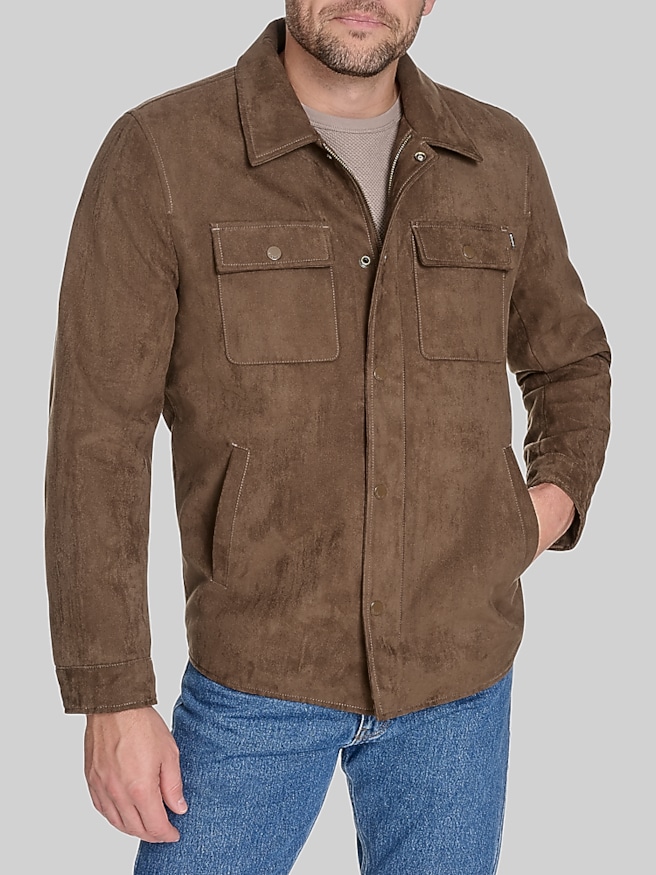
The satin surface rewards a little attention to texture, construction, and everyday handling. Its smooth face comes from yarns that float across the weave, giving the fabric its luster but also leaving some satins vulnerable to snagging. A rough bag strap, hook-and-loop fastener, or splintered chair back can catch those exposed yarns, so durability depends on both the material and how the jacket is worn. Polyester and nylon can offer useful strength, but no fiber label alone tells the whole story. Fabric density, stitching, lining quality, and reinforcement around pockets all contribute to how well a jacket holds up. Even seams, securely attached closures, and ribbed trim that recovers its shape are useful details to consider. Care should always follow the sewn-in label, especially when a jacket includes embroidery, patches, contrasting panels, or insulation. Some synthetic satin jackets allow gentle machine washing, while others call for hand washing or professional cleaning. High heat can damage certain fibers, alter the surface, or affect trim, and aggressive rubbing may leave a visible mark on the sheen. When washing is permitted, the recommended water temperature and drying method help protect the fabric’s appearance. A padded or well-shaped hanger supports the shoulders between wears, while enough closet space helps prevent deep creases. Any pressing should follow the label’s heat guidance; a pressing cloth can help protect fabrics that permit ironing from direct contact. These considerations make satin especially appealing for someone who enjoys a distinctive casual jacket and is comfortable giving its finish appropriate care. As a gift for a partner, father, brother, or friend, it works best when the recipient’s usual fit, preferred colors, and layering habits are familiar. A minimalist dresser may appreciate an unadorned shape, while a fan of vintage athletic clothing may favor varsity details. For a softer, matte texture with a similarly relaxed mood, Mens Faux Suede Jackets offer another direction. Satin’s signature remains its interplay of light and movement, adding depth to an everyday outfit without requiring elaborate styling.