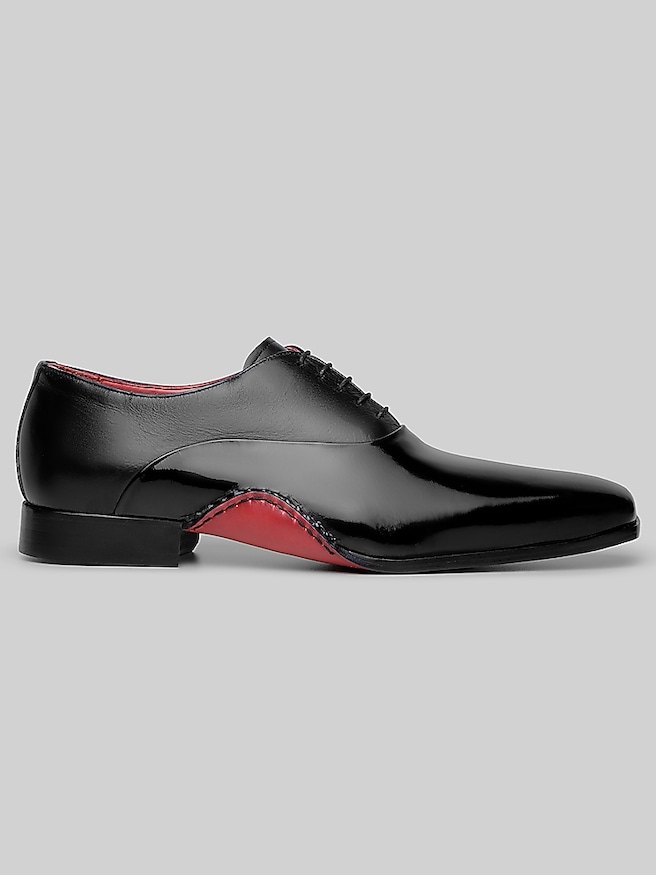
Men’s designer dress shoes combine refined silhouettes, considered detailing, and materials chosen for a polished appearance. The category spans lace-ups, slip-ons, and buckled styles, with each shape bringing a distinct character to tailored clothing. Oxfords have closed lacing, meaning the sections holding the eyelets sit beneath the front of the upper, creating a neat profile that works especially well with business suits and formal tailoring. Derbies use open lacing, with the eyelet sections sewn over the upper; that construction allows more adjustment across the instep and gives the shoe a slightly less formal look. Loafers dispense with laces altogether, using a shaped upper to hold the foot, sometimes finished with a penny strap, tassels, or metal hardware. Monk straps close with one or two buckles and offer a distinctive alternative to traditional lace-ups without losing their tailored character. Details matter within each category: a plain toe looks uninterrupted and sleek, a cap toe adds a defined seam, and a wingtip introduces a sweeping pattern across the front. Broguing refers to decorative perforations rather than a separate shoe construction, and more extensive decoration generally creates a less formal impression. For an important presentation, a streamlined leather Oxford can keep the focus on a well-cut suit. For a reception with tailored separates, a refined loafer or monk strap can feel equally considered without appearing overly ceremonial. Black-tie dress codes call for a more specific approach, typically favoring black patent leather or impeccably polished black formal shoes rather than heavily detailed business footwear. Related Designer Suit Shoes offer another way to explore the relationship between footwear and tailoring. Across these styles, the strongest choice is not necessarily the most elaborate one. A balanced toe shape, restrained stitching, and a finish suited to the occasion often make a more lasting impression than conspicuous decoration, particularly when the shoes will accompany several suits or move between professional settings and celebrations.
Materials and construction influence how designer dress shoes look, feel, and develop with wear, but a designer designation alone does not establish comfort or durability. Smooth leather provides a crisp surface that can be conditioned and polished, while suede has a softer, textured appearance that generally suits less formal combinations. Full-grain leather retains the hide’s natural grain and can develop character through regular use and care; corrected-grain leather has undergone additional surface treatment to create a more uniform finish. Neither description replaces an assessment of flexibility, stitching, lining, and overall fit. Patent leather has a glossy coated surface associated with formal occasions and needs care appropriate to that finish rather than a standard leather-polishing routine. Inside the shoe, a smooth lining and neatly finished seams can help reduce friction, while footbed cushioning and arch contours affect how supportive the shoe feels through a long workday or an extended reception. Leather soles offer a traditional profile, while rubber soles or discreet rubber inserts can provide added traction and cushioning. Welted construction may allow resoling, depending on the shoe’s design and condition; other construction methods can create a lighter or more flexible feel. Fit remains essential regardless of those details. The heel should feel secure without painful pressure, the widest part of the foot should align comfortably with the widest part of the shoe, and the toes should have room without the foot sliding forward. A narrow-looking toe does not have to squeeze the foot when the shoe’s underlying shape, known as its last, matches the wearer. Trying dress shoes with the socks intended for them gives a more useful impression than testing them with thick athletic socks. Walking on a clean indoor surface can reveal heel movement, pressure at the little toe, or an uncomfortable crease across the forefoot. Leather may soften with use, but persistent pinching or inadequate length should not be treated as something that will reliably disappear. For someone who spends hours standing at events or walking between meetings, secure fit and a stable sole deserve as much attention as the profile seen beneath a trouser hem.
Color, proportion, and upkeep help men’s designer dress shoes become a dependable part of a wardrobe rather than footwear reserved for a single occasion. Black leather creates a crisp foundation for charcoal tailoring and many formal settings, while dark brown works naturally with navy, gray, and a range of tailored separates. Burgundy tones can add depth without the contrast of a much lighter shoe. The dress code should lead the decision: a conservative client meeting may call for understated lace-ups, while an evening reception can leave more room for a distinctive buckle or textured finish. Trouser length also changes the effect. A clean hem with a modest break allows the shoe’s shape to show, whereas excess fabric can obscure carefully chosen details. Belts and shoes do not need identical finishes, but keeping their colors and level of formality compatible creates a cohesive result. Regular care preserves that appearance. A soft brush or cloth removes surface dust before it works into creases, and a leather conditioner used according to the material’s care instructions helps maintain suppleness. Suitable cream or wax polish can refresh smooth leather, while suede needs a dedicated brush and products intended for its nap. Patent finishes require their own cleaning approach. Cedar shoe trees help absorb residual moisture and support the upper’s shape between wears, and alternating pairs gives linings time to dry fully. Shoes that become damp should dry naturally away from direct heat. Checking heel wear and sole edges periodically can help identify repairs before damage becomes more extensive. For a graduation, a career milestone, or a wedding, dress shoes can also be a thoughtful gift when the recipient’s size, width, and preferred style are known. A familiar silhouette often proves more useful than an adventurous shape chosen without that context. Whether worn for daily business or meaningful occasions, well-fitting dress shoes earn their place through comfort, appropriate styling, and consistent care.