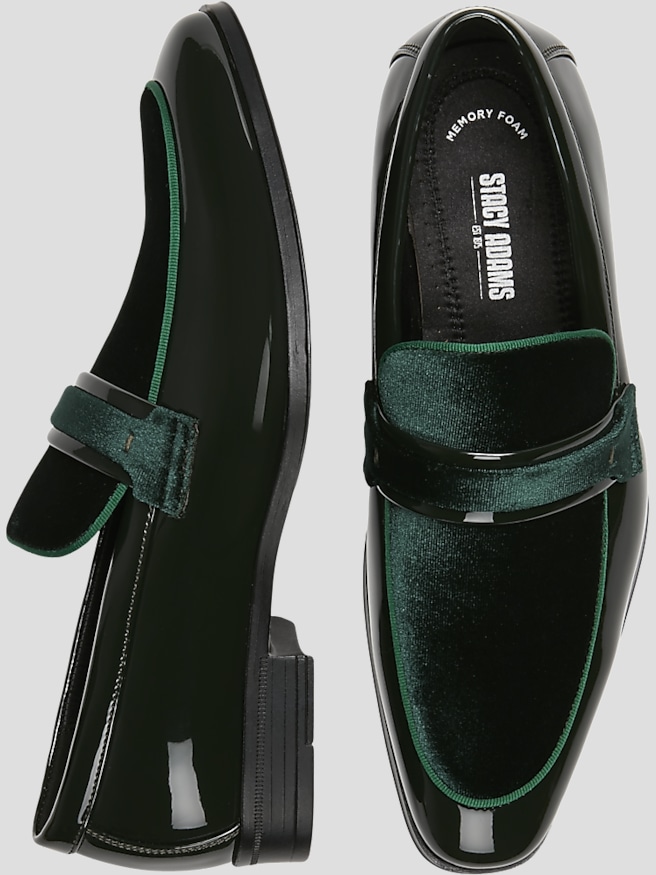
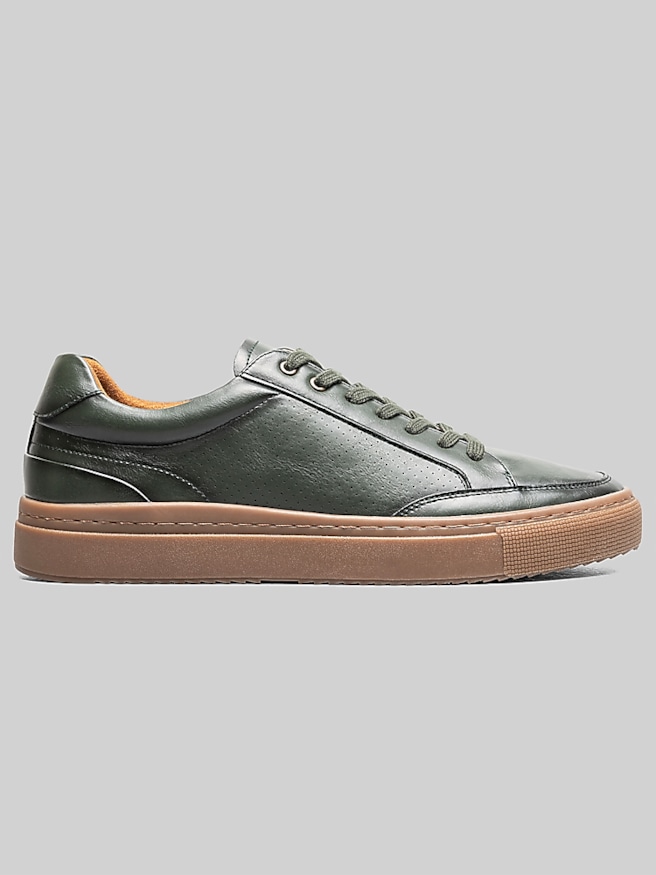
Men’s olive green shoes bring an earthy, understated color to everyday footwear, offering an alternative to black, brown, and white without demanding a completely new wardrobe. The category spans casual sneakers, loafers, lace-up shoes, boots, and athletic styles, with each silhouette serving a distinct purpose. A low-profile olive sneaker feels relaxed with straight-leg jeans and a cotton shirt, while a refined loafer can complement tailored chinos and an unstructured jacket. Olive sits between green and brown, so its character varies: some shades look softly muted and almost gray, while others have a deeper, mossy richness. That variation gives the color flexibility alongside navy, charcoal, cream, tan, and medium-wash denim. Texture matters just as much as shade. Smooth leather creates a cleaner, more polished impression; suede adds a soft, matte surface; and canvas or mesh keeps the look casual. A contrasting white sole gives an olive shoe a sportier outline, while a dark sole creates a quieter transition from upper to ground. For an office with a relaxed dress code, streamlined olive footwear can add personality beneath navy trousers without becoming the focal point of the outfit. For a dinner out, dark denim, a textured knit shirt, and olive loafers make a considered combination that does not feel overly coordinated. The color can also work within a tonal outfit built around an olive green men's suit, especially when the shoes and tailoring have enough variation in depth or texture to remain visually distinct. Olive footwear is generally more at home in casual and smart-casual settings than in strict formal dress codes, where traditional shoe colors are usually the safer choice. Its appeal lies in that middle ground: distinctive enough to give familiar clothing a fresh look, yet subdued enough for repeated wear. A simple shape and restrained detailing keep the color easy to incorporate, whether the rest of the outfit leans tailored, rugged, or sporty.
Materials and construction shape how men’s olive green shoes feel, wear, and hold their appearance over time. Leather uppers can soften with use and develop creasing that reflects movement, although a comfortable fit should not depend on stretching a shoe that feels painfully tight. Suede and nubuck have a textured nap that gives olive tones depth, but they also call for cleaning methods suited to their surfaces. Canvas offers a relaxed appearance and a flexible feel, while mesh panels may help air circulate during active use. Synthetic uppers vary widely in softness, ventilation, and abrasion resistance, so the material label alone does not tell the whole story. Linings, seams, padding, and the shape of the last all influence comfort. A smooth interior with minimal rubbing at the heel and along the toes can matter more during a long day than thick cushioning that feels appealing for only a few minutes. Fit deserves particular attention in loafers, which rely on their shape and instep contact rather than adjustable laces to stay secure. Lace-up styles allow more adjustment across the top of the foot, but extra tension should not be needed to compensate for an overly roomy shoe. Toes need space to move without pressing against the front or sides, and the heel should feel secure without pinching. Trying shoes with the socks intended for regular wear gives a more useful sense of fit; low-profile socks for loafers and thicker athletic socks can change how the same size feels. Anyone using an orthotic may benefit from a removable footbed and sufficient interior depth, provided the insert does not crowd the foot or lift the heel excessively. For someone who spends much of the day walking between meetings or standing at gatherings, balanced cushioning, a stable base, and a sole that bends naturally near the forefoot are practical considerations. A shoe that looks athletic is not necessarily designed for running or training, so intended use matters more than styling alone.
Durability in olive green footwear depends on the combination of materials, construction, fit, and everyday use rather than color or surface appearance alone. High-contact areas such as the toe, heel lining, flex points, and outsole edges often show wear first. Even stitching, securely attached soles, and uppers appropriate to the intended activity are useful details to consider, while substantial weight by itself does not guarantee a longer-lasting shoe. Rubber outsoles can provide useful traction, but tread pattern, rubber composition, and the walking surface all affect grip. A deeply grooved sole may suit casual walking, whereas a slimmer profile often looks more natural with tailored trousers. Neither appearance establishes slip resistance, which should be supported by the shoe’s stated specifications when that feature is important for work. Routine care helps preserve olive’s nuanced shade and keeps surface buildup from becoming harder to remove. Loose dirt is best addressed before deeper cleaning, using a soft cloth or a brush appropriate to the upper. Smooth leather may benefit from a compatible cleaner and conditioner, while suede and nubuck generally need dedicated tools that lift dirt without flattening or saturating the nap. Testing any treatment on a small, discreet area helps reduce the risk of an unwanted color change. Polish intended for another shade can alter olive leather, so color compatibility deserves attention rather than guesswork. Canvas and mesh should be cleaned according to their care instructions, not automatically placed in a washing machine. After cleaning, shoes should dry naturally away from direct heat; leather footwear can also benefit from properly sized shoe trees that help maintain its shape between wears. Alternating pairs allows interiors time to air out and reduces continuous strain on the same pair. As a gift, olive shoes can suit someone who already favors neutral clothing and appreciates a subtle departure from familiar footwear colors. Knowing the recipient’s usual size, width, preferred silhouette, and daily routine makes the choice more personal: sleek loafers for relaxed tailoring, simple sneakers for casual outfits, or purpose-built athletic footwear for a specific activity. The strongest match brings together an appealing olive shade, dependable comfort, and a shape that belongs naturally in the wearer’s wardrobe.