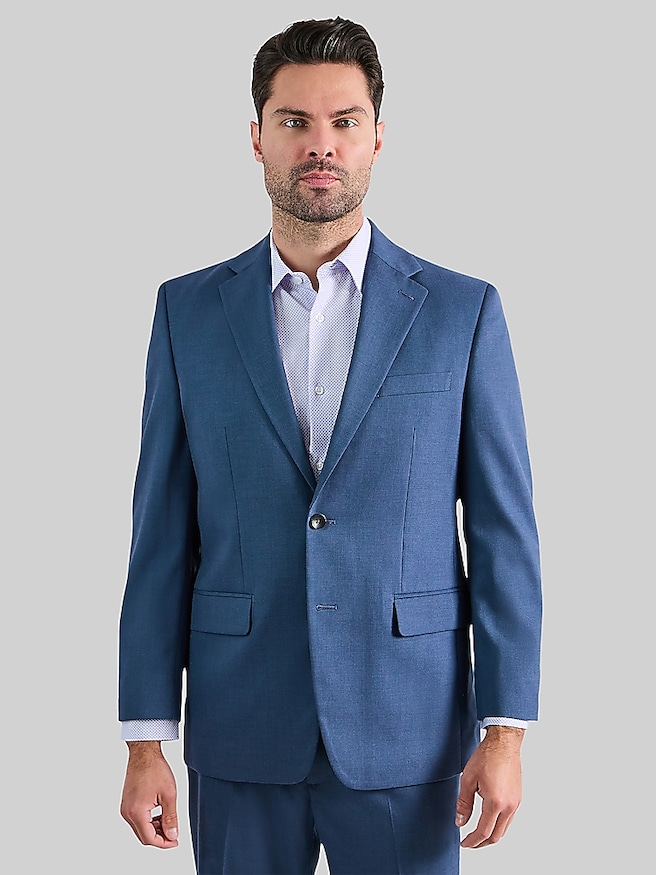
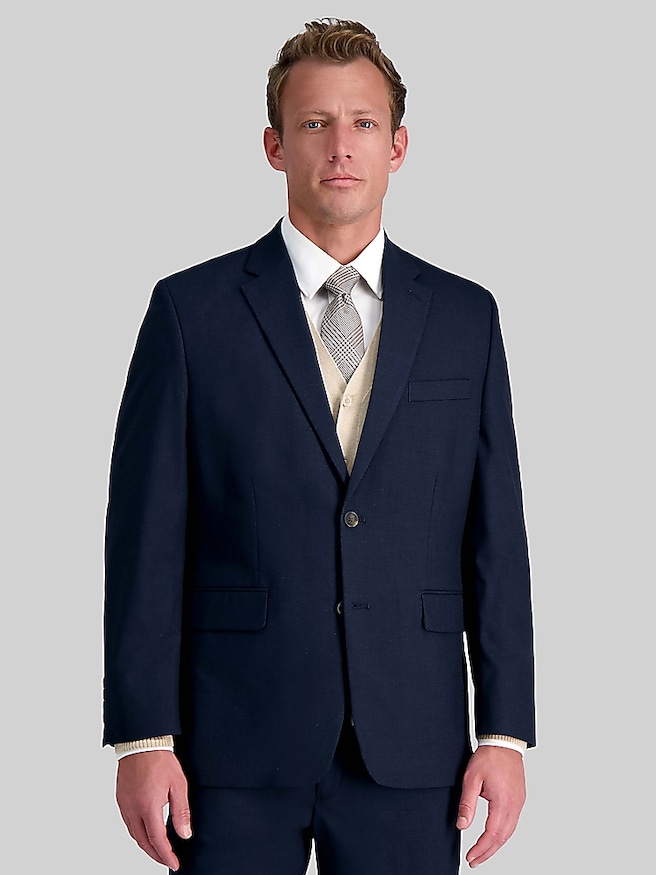
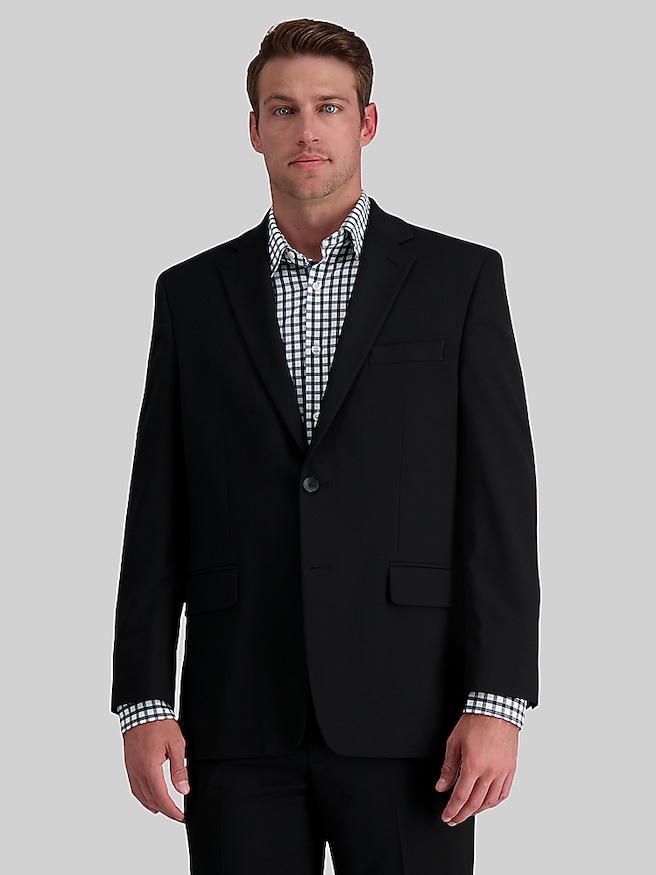
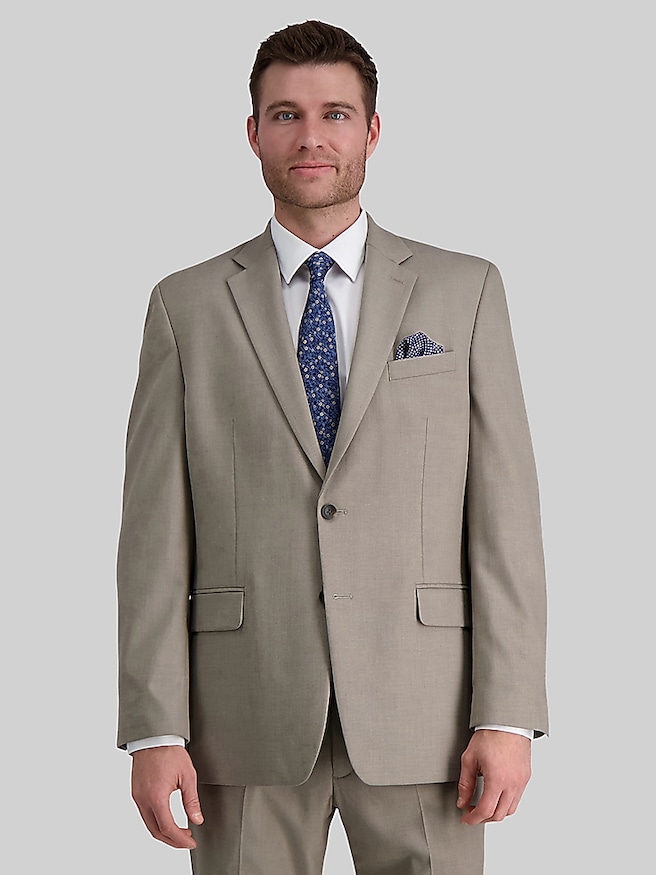
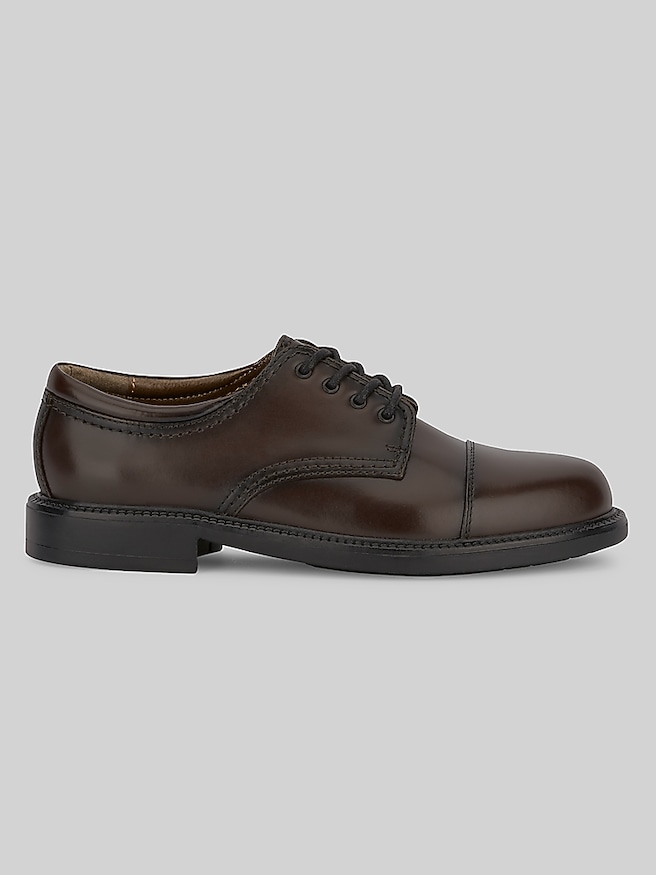
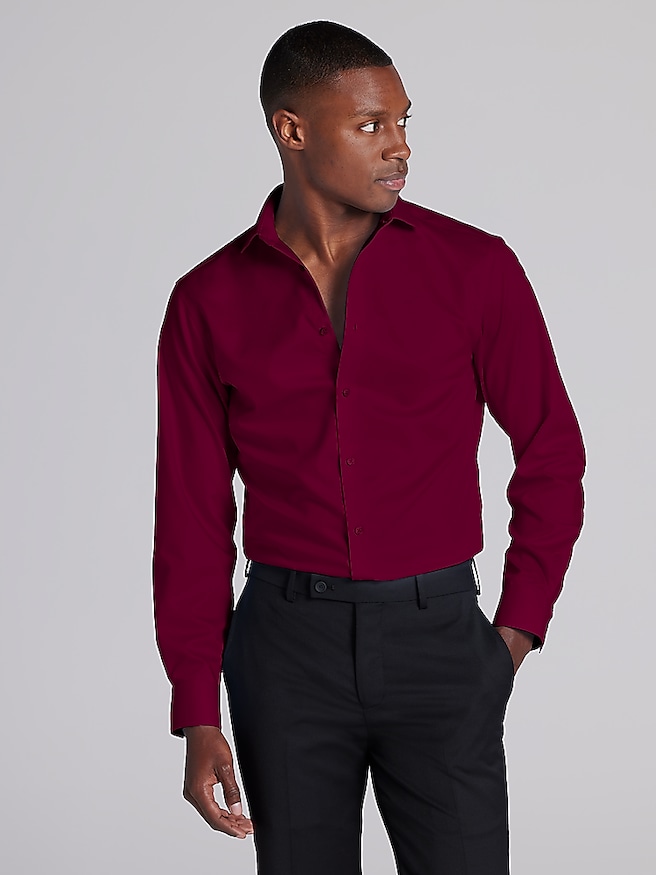
Men’s office fashion clothing brings together polished style, everyday comfort, and the flexibility to suit different workplaces. The right choices can help create a dependable wardrobe for traditional offices, hybrid schedules, client-facing roles, and creative environments where personal style has more room to show. A useful starting point is to consider the expectations of the workplace, how often formal meetings occur, and whether clothing needs to move easily between a desk, a commute, and an evening event. In a more traditional setting, tailored trousers, refined dress shirts, structured jackets, and classic dress shoes create a professional foundation. For business-casual offices, chinos, knit polos, sweaters, open-collar shirts, and relaxed sport coats offer a comfortable look that still feels intentional. Creative offices may allow clean dark denim, understated sneakers, textured overshirts, or more expressive colors, while maintaining a neat fit and coordinated appearance. Exploring Best Men's Office Wear can make it easier to compare versatile wardrobe categories and find pieces that align with a particular dress code. Fit should remain a priority across every style of office clothing. A shirt should sit smoothly across the shoulders without pulling at the buttons, trousers should drape cleanly without excessive fabric pooling at the ankle, and a jacket should allow natural movement without looking oversized. Small adjustments often make a noticeable difference: sleeves that end near the wrist, a trouser hem that meets the shoe neatly, and a collar that holds its shape can turn a simple outfit into one that looks carefully considered. When clothing feels comfortable from the first morning meeting through the final commute home, it becomes easier to wear with confidence.
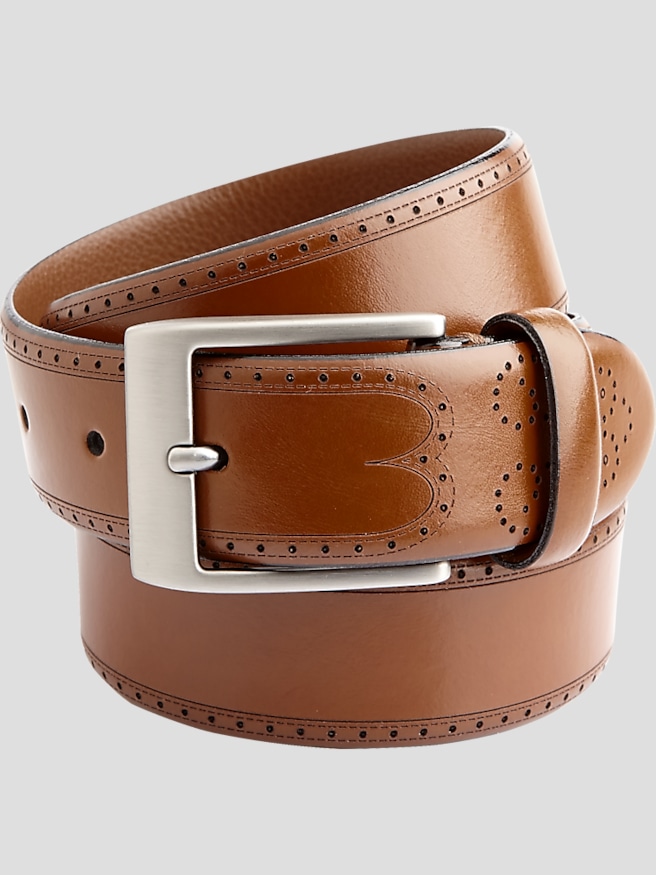
Building a practical office wardrobe is less about owning a large number of garments and more about choosing pieces that work together in several combinations. Neutral shades such as navy, charcoal, gray, black, tan, olive, and white make dependable anchors, while subtle patterns and seasonal textures add personality without limiting how often an item can be worn. A tailored jacket can complement dress trousers for a formal presentation, then pair with chinos for a more relaxed day. A crisp button-down shirt can be worn beneath a jacket, layered with a fine-gauge sweater during cooler weather, or styled on its own when the office is more casual. Knit polos provide a clean alternative to a traditional collared shirt, particularly in workplaces where a tie is unnecessary, and lightweight overshirts can add structure without the formality of a full jacket. Trousers should balance comfort and shape, with stretch blends and breathable fabrics helping maintain ease during long periods of sitting or standing. During warmer conditions, lighter fabrics and unlined layers can help an outfit feel fresh, while cooler months call for soft knitwear, textured tailoring, and practical layering. Footwear should reflect both the dress code and the demands of the day; sleek leather styles suit formal environments, loafers can bridge business and business-casual dressing, and clean low-profile sneakers may work in relaxed offices when kept in excellent condition. Accessories are most effective when they support the overall look rather than compete with it. A simple belt that coordinates with the shoes, a refined watch, a structured work bag, or a restrained pocket square can add a finished quality. Care also matters: hanging jackets properly, brushing away surface dust, following laundering instructions, and keeping shoes polished will help office clothing maintain its shape and appearance through repeated wear.
Men’s office fashion clothing can also make a thoughtful gift for someone beginning a new job, returning to an in-person workplace, preparing for interviews, or stepping into a leadership position. A versatile shirt, a comfortable pair of tailored trousers, a polished belt, or a layer suited to the recipient’s office culture can be useful without requiring an exact knowledge of personal style. For a gift, choosing adaptable colors and classic silhouettes is generally safer than selecting something highly distinctive, especially when the recipient may need to follow a formal dress code. Someone starting a first professional role may benefit from a coordinated foundation that can be mixed into several outfits, while an experienced professional may appreciate elevated layers that refresh familiar workwear. Employees who divide their time between home and the office often value clothing that looks polished on video calls but remains comfortable throughout the day, such as soft tailoring, refined knitwear, and shirts with a clean neckline. Travelers may prefer wrinkle-resistant fabrics, lightweight layers, and shoes that can handle long walks between transportation, meetings, and meals. As the weather shifts from warmer days to cooler conditions, adaptable layering becomes especially useful: a breathable shirt can remain comfortable indoors, while a sweater or jacket can be added for chilly commutes and air-conditioned spaces. The most successful office wardrobe reflects the wearer’s routine, not just a dress code. Whether the day includes presentations, collaboration, focused desk work, or an after-hours gathering, well-chosen clothing should make each transition feel natural. With thoughtful attention to fit, fabric, versatility, and care, office clothing can provide a reliable sense of readiness while leaving room for individual character.