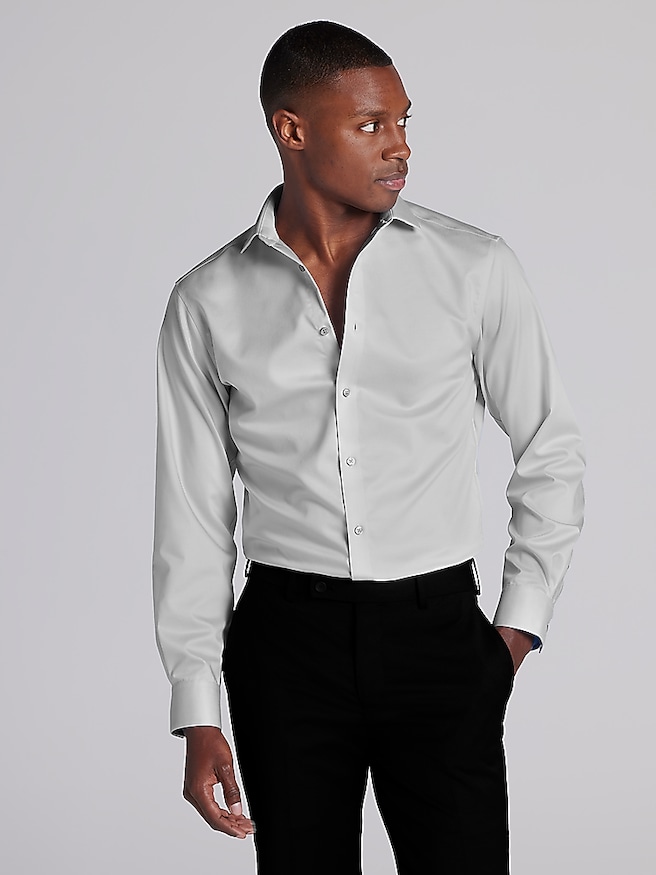
A men’s off-white shirt brings a soft, neutral color to dressy and casual outfits, with shades that can range from pale cream and ivory to lightly beige ecru. These colors sit close to white but have warmer undertones, creating a gentler contrast against dark tailoring, denim, and textured trousers. The distinction matters when building an outfit: an ivory shirt can make a navy suit feel less stark, while an ecru button-up complements olive chinos, brown leather shoes, and a woven belt. Cream often has a more noticeable yellow undertone, while some off-white fabrics lean toward beige or gray; the fabric’s texture and the surrounding colors also influence how the shade appears. Against charcoal trousers, an off-white shirt provides a clear, understated contrast. Paired with tan or chocolate brown, it creates a softer combination with more continuity between the colors. Men’s off-white shirts suit a broad range of settings, from an office presentation to a dinner reservation or a relaxed family gathering. A smooth dress shirt tucked into tailored pants offers a polished foundation without requiring a bright white finish. An open-collar shirt with dark jeans feels more informal while still looking considered. For an outfit with a jacket and tie, burgundy, forest green, and muted blue can bring definition without overwhelming the shirt’s subtle color. Small patterns in a tie or pocket square add interest, especially when one of their lighter tones relates to the shirt. An off-white shirt can also work with a suit for a wedding or other celebration when the dress code allows it, though an invitation that specifies a white shirt calls for a true white rather than a cream substitute. The appeal is versatility: the same general color family can feel refined, relaxed, or quietly distinctive depending on the fabric, collar, and pieces worn alongside it.
Fabric and construction give an off-white shirt much of its character. Cotton is a familiar choice for its breathability, comfortable feel, and suitability for frequent wear, although its weight and weave make a noticeable difference. Smooth poplin has a clean surface that works well beneath a suit jacket, while twill’s fine diagonal structure adds subtle texture and often a slightly fuller feel. Oxford cloth has a more visible basket weave, lending itself to button-down collars, chinos, and everyday office outfits. Linen brings an irregular texture and natural creasing that feels intentionally relaxed rather than sharply pressed. Cotton blends may add stretch, wrinkle resistance, or easier maintenance, depending on the fibers and finish; those qualities are best confirmed on the garment label rather than assumed from the color or appearance. Fabric density also affects coverage. Pale shades can reveal an undershirt or create a visible outline at seams, particularly in lightweight cloth, so opacity is worth considering for presentations, photographs, and occasions when a jacket may come off. An undershirt close to the wearer’s skin tone generally creates less contrast than bright white. Fit is equally important to the finished look. Shoulder seams should sit near the natural shoulder, the chest should lie smoothly without pulling between buttons, and the sleeves should allow comfortable movement when reaching forward or sitting at a desk. A slim fit follows the torso more closely, while a classic fit usually provides additional room through the chest and waist; the best choice depends on both body shape and preferred ease. A shirt intended to stay tucked needs enough length to remain in place during normal movement. A shorter hem can look more balanced worn untucked, particularly with casual pants. Collar shape adds another distinction: a spread collar frames a tie, a point collar offers a traditional line, and a button-down collar has a more relaxed character. Under a jacket, a small amount of visible shirt cuff gives the outfit a neat finish without drawing attention away from the overall proportions.
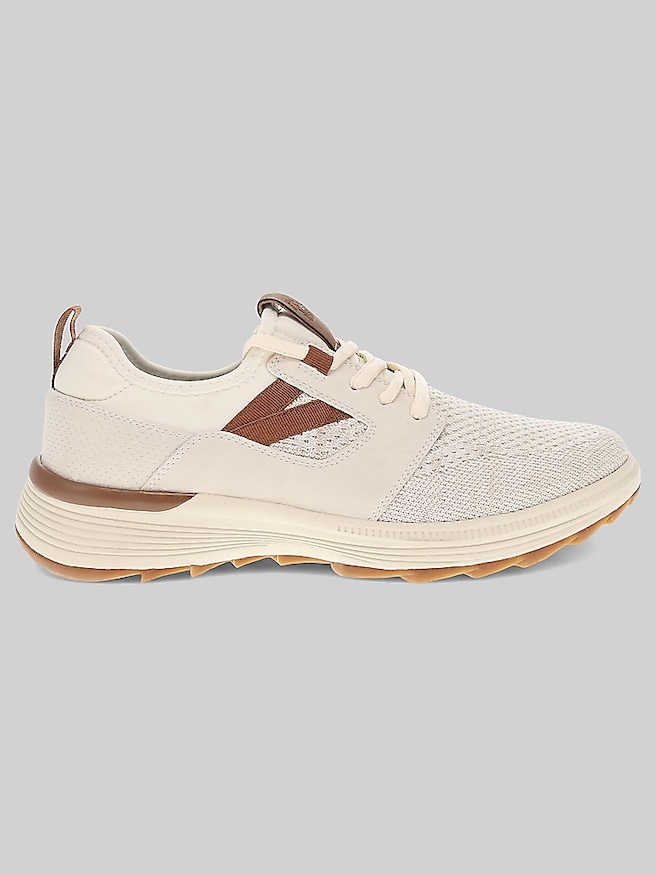
Thoughtful care helps an off-white shirt retain its intended shade and shape. The care label provides the most reliable direction because washing temperature, drying method, and pressing requirements vary with fabric content and finishing. Separating light-colored shirts from dark garments reduces the chance of dye transfer, while prompt attention to marks around the collar and cuffs can keep everyday buildup from becoming harder to remove. Off-white is an intentional color, not simply white fabric that needs brightening, so chlorine bleach or whitening treatments may change its appearance or damage fibers unless the label specifically permits them. Detergent used in the recommended amount and a thorough rinse help avoid residue that can leave fabric feeling stiff. When machine washing is appropriate, fastening the shirt as directed and avoiding an overloaded drum can reduce unnecessary tangling and friction. Excessive dryer heat can contribute to shrinkage and wear, and removing a shirt promptly helps limit deep wrinkles. Pressing at the recommended setting gives smooth cotton a crisp finish, while linen’s natural texture does not need to be flattened completely. Clean, dry storage on a supportive hanger helps preserve the collar and shoulders between wears. Durability also depends on sound stitching, securely attached buttons, and a fit that does not place constant strain across the chest or elbows. Those practical qualities matter whether the shirt becomes a regular office staple or a piece reserved for dinners and celebrations. For casual outfits, an off-white shirt pairs naturally with clean, understated footwear; Mens Off White Sneakers can carry the light neutral palette through the outfit without requiring an exact shade match. Dark denim or olive pants provide enough contrast to keep the combination defined. As a gift for a partner, father, brother, or friend, an off-white shirt offers broad styling potential, especially when the recipient’s neck size, sleeve length, preferred fit, and usual care routine are known. Familiar proportions and a comfortable fabric make that understated color easier to put into regular rotation.