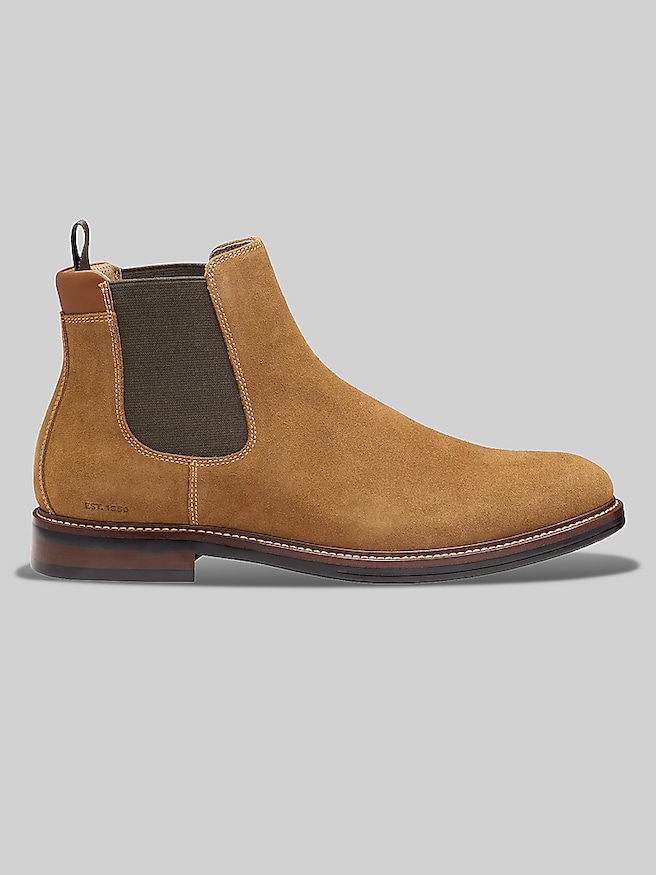
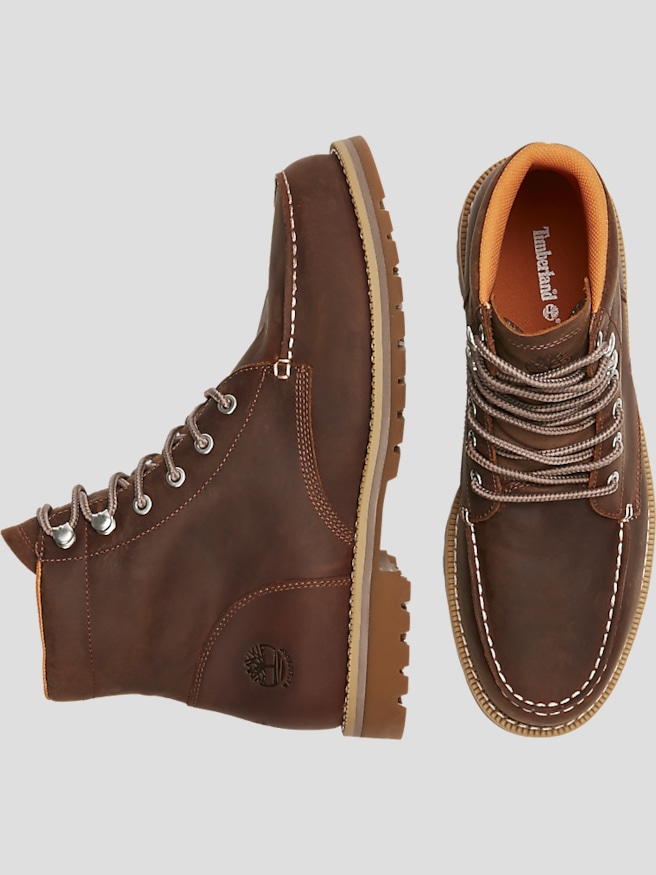
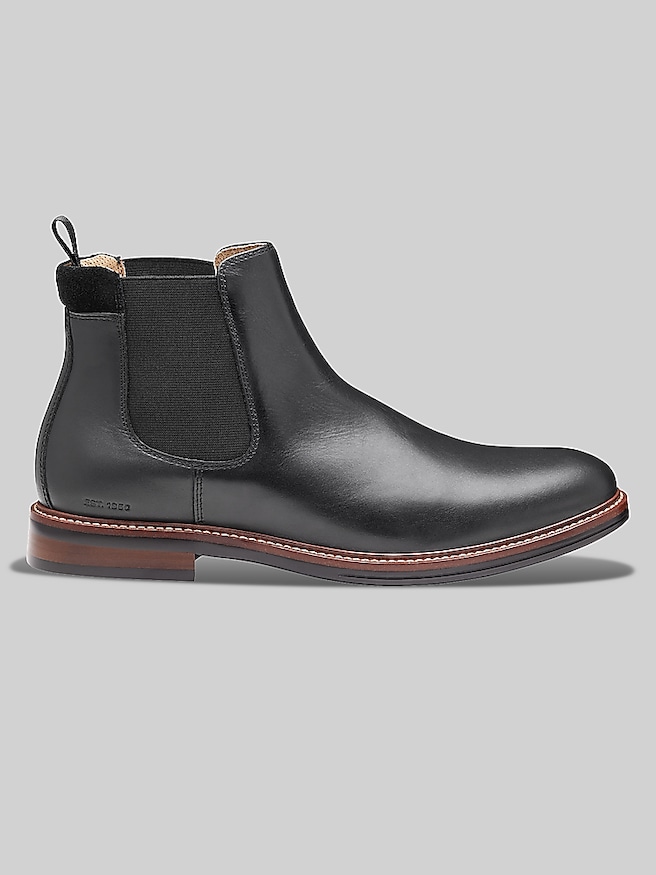
Men’s non-slip Chelsea boots combine a streamlined, ankle-high silhouette with outsoles designed to improve traction under specified conditions. Elastic side panels and a pull-on opening give Chelsea boots their familiar shape, while the absence of laces keeps the profile clean beneath jeans, chinos, or tailored trousers. The important distinction is underneath: slip resistance depends on the outsole compound, tread pattern, surface, and any substances between the sole and the floor. A substantial-looking tread does not automatically establish slip resistance, and no boot can prevent every slip. Rubber outsoles may offer a useful combination of flexibility and grip, but documented performance matters more than appearance when traction is a priority. Channels in the tread can help move liquid away from contact areas, while the spacing and shape of the tread influence how the sole meets the ground. Deep lugs intended for uneven surfaces are not necessarily the best choice for smooth indoor flooring. For a commute that includes a parking garage, a tiled lobby, and several flights of stairs, a flexible sole with an appropriate tread can be more practical than an especially bulky profile. Workplace use calls for closer attention to the stated specifications: slip resistance, oil resistance, electrical hazard protection, and safety-toe construction are separate features, not interchangeable benefits. Anyone choosing footwear for a kitchen, workshop, or other regulated setting should confirm the employer’s requirements rather than relying on the Chelsea shape or a non-slip description alone. When comparing these styles with Mens All Weather Chelsea Boots, evaluate traction independently from other protective features. Leather construction, a rugged appearance, or a pull-on design does not establish how an outsole will perform. Clear information about intended use and slip-resistance testing provides a stronger basis for comparison than broad claims about grip. For everyday wear, that distinction helps keep the focus on footwear suited to the actual surfaces and activities ahead.
The upper material and fit shape how Chelsea boots feel over a full day, whether that means sitting at a desk, walking between appointments, or spending several hours standing. Smooth leather has a polished appearance that works naturally with business-casual clothing, and full-grain leather can develop creasing and character with regular wear. Suede brings a softer texture to denim and cotton trousers, though it requires different cleaning tools and more attention to marks. Synthetic uppers vary widely in flexibility, breathability, and care requirements, so the material description is worth reading rather than judging by appearance alone. Inside the boot, a smooth lining can reduce friction, while cushioning and underfoot support may make extended standing more comfortable. Softness by itself is not the whole story: a footbed should feel stable beneath the heel and supportive through the arch without creating pressure. Because Chelsea boots have no laces to adjust, the fit across the instep and around the heel deserves particular attention. The elastic panels should stretch enough for entry and then recover, holding the boot comfortably without digging into the ankle. A slight amount of heel movement can occur in a new pull-on boot, but pronounced lifting, forward sliding, or gripping with the toes suggests the fit needs another look. The toes should have room to move without contacting the front, and the widest part of the foot should align with the boot’s forefoot. Trying boots with the socks intended for regular wear gives a more realistic sense of space. Anyone using an orthotic should also account for its thickness and check whether the original footbed is removable. For styling, a rounded or gently tapered toe offers versatility, while a lower-profile outsole tends to sit more neatly beneath tailored hems. Dark leather pairs easily with charcoal trousers and a button-down shirt; textured leather or suede feels more relaxed with straight-leg denim. A hem that rests near the top of the boot keeps excess fabric from bunching over the elastic panels.
Durability depends on more than the thickness of the leather or the weight of the sole. Even stitching, secure joins between the upper and outsole, resilient elastic, and a well-finished heel all contribute to how a Chelsea boot holds up to repeated wear. Pull tabs should help guide the foot into place, but forcing entry into an overly tight boot can put unnecessary strain on them and the surrounding seams. A shoehorn can make the process easier while helping preserve the heel counter. Routine care also protects the features that make non-slip Chelsea boots useful. Dirt lodged in the tread can reduce effective contact with the floor, so inspecting and cleaning the outsole is as important as wiping the upper. A soft brush can loosen debris from grooves; any additional cleaning should follow the footwear maker’s directions. Smooth leather generally benefits from gentle cleaning and an appropriate conditioner used sparingly, while suede needs a suitable brush and treatments intended for its finish. Harsh cleaners, excessive soaking, and direct heat can damage materials or adhesives. Letting boots dry naturally after cleaning or perspiration, and giving them time between wears, helps maintain the interior as well as the upper. Shoe trees can support the shape when they fit properly without stretching the boot. Over time, flattened tread, uneven heel wear, separating soles, or elastic that no longer recovers are reasons to reassess comfort and function rather than relying on the original non-slip designation. Repair options depend on construction, so resoling should not be assumed. As a gift, Chelsea boots make the most sense when the recipient’s size, preferred width, and everyday dress habits are known. Someone who wears chinos to the office may appreciate a cleaner profile, while someone on their feet for much of the day may place greater value on cushioning and documented traction performance. The most useful choice brings those needs together: an appropriate outsole, a secure fit, materials that suit the routine, and a shape that feels natural with the clothes already in rotation.