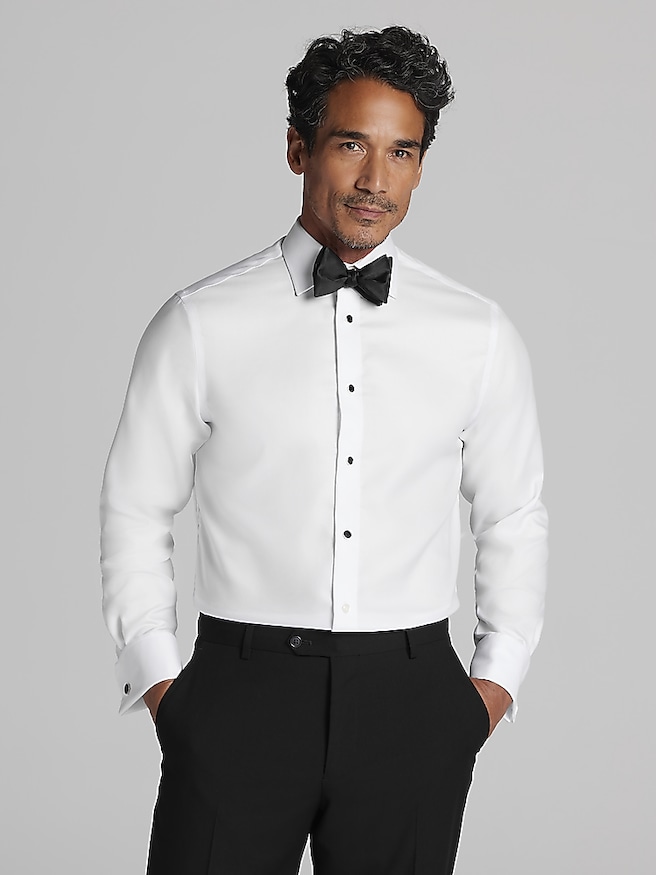
Men’s non-iron casual shirts are designed to resist wrinkles and maintain a neat appearance with less routine pressing. They bring the structure of a collared shirt to everyday dressing, whether the day includes a relaxed office, lunch with friends, or dinner after work. Non-iron performance typically comes from a fabric treatment or engineered blend that helps the material recover from creasing. That does not mean every shirt will emerge perfectly smooth under every condition; fabric composition, construction, washing, and drying all affect the result. The appeal is a shirt that looks pulled together without demanding the same attention as untreated fabric. Cotton is a familiar foundation because of its softness and breathable feel, while cotton blends can combine that comfort with added wrinkle resistance or resilience. Fabrics containing stretch may offer extra give across the shoulders and through the sleeves, particularly when sitting at a desk or reaching for a bag. Weave matters as much as fiber content. Poplin generally has a smooth, fine surface, oxford cloth has a more noticeable woven texture, and twill is recognizable by its subtle diagonal pattern. These differences influence how a shirt drapes, feels against the skin, and works with other clothing. A smooth fabric can create a cleaner, slightly dressier impression, while visible texture brings depth to a simple outfit without relying on a bold print. Fabric weight also affects coverage and structure: a lighter cloth tends to drape more fluidly, while a more substantial weave can hold its shape more firmly. For regular wear, construction deserves attention alongside easy-care performance. Even seams, securely attached buttons, and a placket that lies flat help a shirt look finished through repeated use. Durability comes from that combination of fabric, workmanship, and appropriate care, rather than from the non-iron label alone. The most useful choice balances a comfortable feel with enough structure for the places it will be worn.
Fit determines whether a non-iron casual shirt feels relaxed and intentional or simply oversized. Shoulder seams should sit close to the ends of the shoulders, with enough room through the upper back to reach forward comfortably. Across the chest, the button placket should remain flat rather than pulling into gaps, and the body should allow movement without gathering in heavy folds around the waist. A slimmer cut creates a closer outline, while a roomier cut leaves more space through the chest and midsection; neither should restrict sitting, driving, or bending. Sleeve length matters, too. With arms resting naturally, long sleeves should reach around the wrist, and cuffs should close comfortably without slipping too far onto the hand. Shirt length makes a noticeable difference in casual outfits. A shirt intended to be worn untucked generally has a shorter hem that covers the waistband without extending so far that it overwhelms the proportions of the pants. Longer tails are better suited to staying tucked during movement. Collar construction changes the overall impression as well. A button-down collar keeps its points in place for a relaxed, orderly look, while an open collar can sit naturally beneath a casual jacket. Solids make straightforward partners for patterned layers, and checks or small-scale prints can add interest when the rest of an outfit is simple. Muted colors tend to blend easily with denim and chinos, while stronger colors create a more noticeable focal point. Mens Non Iron White Shirts provide a clean foundation for combinations with dark jeans, olive chinos, or a navy casual jacket. For a less formal workplace, a tucked shirt with flat-front pants offers definition without requiring a tie. Worn untucked with well-fitting jeans, the same general category feels more relaxed. A smooth undershirt with a discreet neckline can add coverage beneath lighter fabrics without distracting from the shirt itself. The goal is an easy combination of proportion, comfort, and occasion, not a rigid dress code.
Care habits help preserve both the appearance and the usefulness of non-iron casual shirts. The garment’s care label is the best starting point because washing temperatures, drying methods, and finishing instructions vary by fabric and treatment. Leaving enough room in the washer and dryer allows shirts to move more freely instead of remaining tightly compressed. When tumble drying is permitted, removing a shirt promptly at the end of the recommended cycle and hanging it with the collar, placket, and sleeves gently smoothed can reduce lingering creases. Leaving it in a packed laundry basket works against that easy-care benefit. Excessive heat can affect fabric, finishes, and stretch fibers, so hotter is not necessarily better. If a stubborn crease needs attention, any ironing or steaming should follow the label rather than assuming every non-iron fabric tolerates the same treatment. On a hanger, fastening a button near the top helps keep the shirt positioned neatly between wears. For travel, careful folding and unpacking on arrival can limit deep compression lines, although no wrinkle-resistant shirt is completely immune to a tightly packed suitcase. That practical performance makes these shirts useful for business trips with casual dress expectations, weekend visits, and days that move from errands to a restaurant reservation. They also suit anyone who prefers a collared look but would rather keep everyday clothing care straightforward. As a gift, a non-iron casual shirt can be a thoughtful choice for a partner, father, brother, graduate, or friend who regularly wears button-front styles. An existing shirt that fits well provides a useful reference for size, body shape, sleeve length, and preferred hem length. Familiar colors and understated patterns are often easier to work into an established wardrobe than an unfamiliar cut or an especially bold design. Whether chosen for daily rotation or occasional plans, a good match brings together easy-care fabric, comfortable movement, and a level of polish that feels natural rather than dressed up for its own sake.