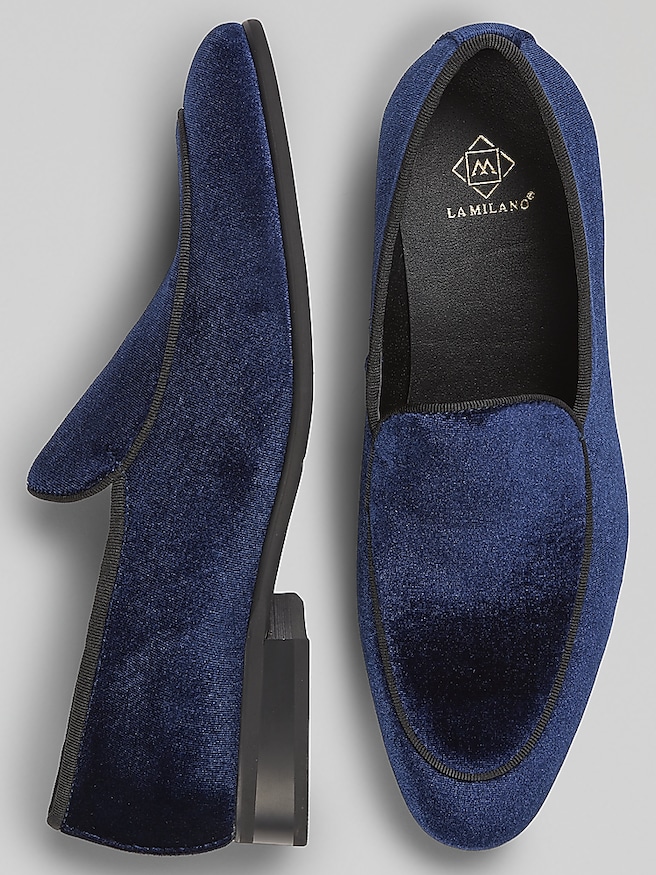
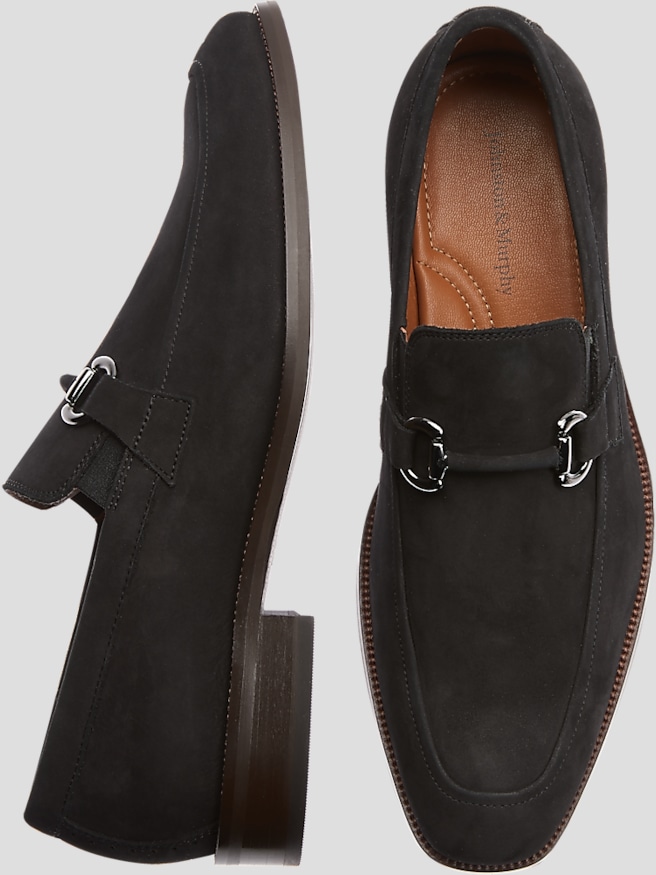
Men’s navy suede loafers bring a softer texture to a familiar slip-on shape, offering a polished alternative to sneakers without the formality of a glossy dress shoe. The deep blue color feels understated at a distance, while the suede’s fine nap adds dimension up close. As the fibers catch the light, the surface can appear slightly lighter or darker, giving navy a richness that smooth leather expresses differently. Within the broader category of Men's Suede Loafers, navy is especially versatile: it works with neutral trousers, complements other blues, and creates a subtle contrast with earth tones. Stone chinos and a tucked-in Oxford shirt make a natural pairing for a relaxed office, while medium-gray tailored trousers and an unstructured jacket give the same footwear a more dressed-up setting. Dark denim also works well when the hem is clean and the rest of the outfit has a little structure. The appeal comes partly from that balance between ease and intention. A loafer slips on without laces, but its shape can still give an outfit a finished appearance. Details influence the impression considerably. A penny-style strap tends to look restrained and familiar, while tassels add movement and a more expressive finishing touch. An apron seam can emphasize the shoe’s contours, and a low-profile sole often keeps the overall silhouette sleek. Navy also makes room for texture elsewhere in an outfit: a woven belt, a lightly textured sport coat, or a knit polo can complement suede without creating a match-everything effect. Trousers with a modest break allow the shoe’s upper to remain visible rather than disappearing beneath excess fabric. For dinners, social gatherings, creative workplaces, and weddings with a relaxed dress code, navy suede loafers can feel considered without looking stiff. They are generally better suited to these settings than occasions that call for highly formal footwear, where the invitation and dress expectations should take priority.
The character of suede starts with the leather itself. Typically made from the underside of a hide or a split leather layer, suede has a brushed surface rather than the smooth finish associated with many dress shoes. The nap may be short and fine or more pronounced, affecting both the appearance and the way marks show. That soft surface does not, by itself, indicate how supportive or durable a loafer will be; the lining, sole, stitching, and overall construction matter just as much. A leather lining may provide a smooth interior feel, while a less structured upper can offer greater flexibility. More structured designs tend to hold a defined shape, which can look especially good with tailored trousers. Underfoot, leather soles often create a traditional dress-shoe profile, while rubber soles can add flexibility and traction, depending on the tread and compound. Neither material guarantees comfort on its own. A long afternoon spent standing at a reception places different demands on footwear than a short walk from a desk to a meeting room. Fit deserves particular attention because a loafer has no laces to adjust the upper. The heel should feel reasonably secure, the toes should have room to rest naturally, and the widest part of the foot should sit comfortably within the widest part of the shoe. A little movement may occur with some constructions, but repeated heel lift or a foot sliding forward can signal a mismatch in size or shape. Suede may relax with wear, yet painful pressure across the forefoot is not a useful break-in strategy. Trying loafers with the socks intended for regular wear gives a more realistic sense of fit. Fine-gauge dress socks suit tailored outfits, while low-cut liners can create an exposed-ankle look without leaving the interior unprotected. Since sizing and proportions vary, familiar size labels are a starting point rather than a substitute for checking length, width, and heel hold.
Regular care helps navy suede loafers retain the texture that makes them distinctive. The surface benefits from gentle brushing with a tool intended for suede, using light pressure rather than vigorous scrubbing. Dust caught in the nap can dull the color, and brushing often restores a more even appearance after ordinary wear. A suede eraser may help with certain dry marks, although any treatment should follow the footwear’s care instructions and be tested discreetly first. Traditional leather polish is generally unsuitable because it can flatten or alter the suede finish. A compatible protective treatment may help reduce staining, but it should not be treated as a guarantee against moisture or spills. If the shoes become damp, allowing them to dry naturally away from direct heat helps protect the leather and construction. Absorbent paper can help support the shape during drying, while properly fitted shoe trees are useful for maintaining the silhouette between wears. Giving footwear time to air out also helps the lining and footbed recover before the next outing. For a stubborn stain, a professional experienced with suede is often a better choice than repeated experiments with household cleaners. Storage matters, too: a dry space away from strong direct light helps preserve the finish, and breathable shoe bags can keep dust off the uppers without trapping moisture. These habits make particular sense for a pair intended to move between workdays, restaurant reservations, and celebrations rather than serve a single outfit. Navy suede loafers can also be a thoughtful gift for someone who enjoys tailored casual clothing or wants footwear that bridges chinos and dress trousers. Knowing the recipient’s usual size, width, preferred sole feel, and approach to socks makes the choice more personal and practical. Their lasting appeal lies in that everyday usefulness: a recognizable shape, a rich but restrained color, and a tactile finish that adds interest without dominating an outfit.