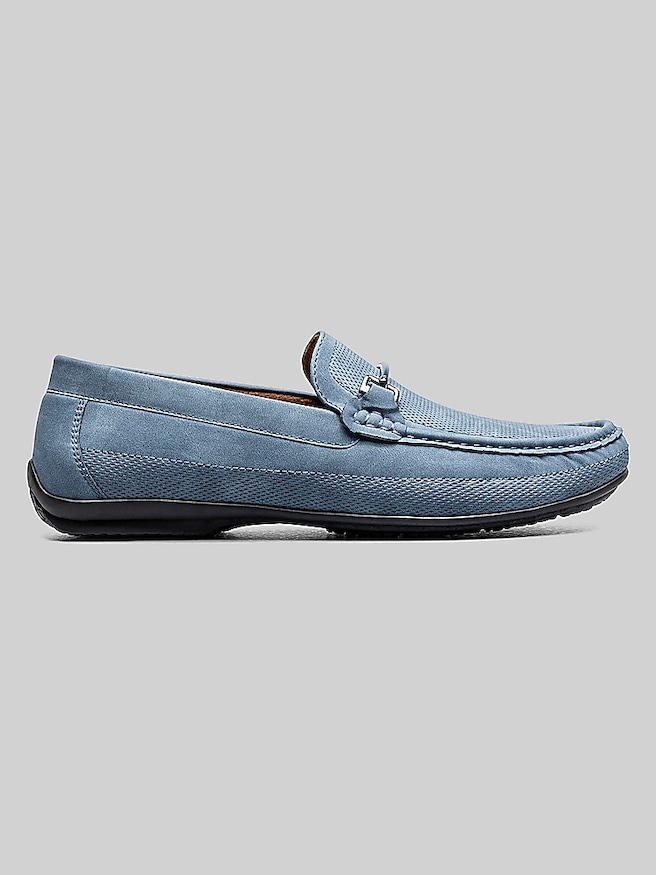
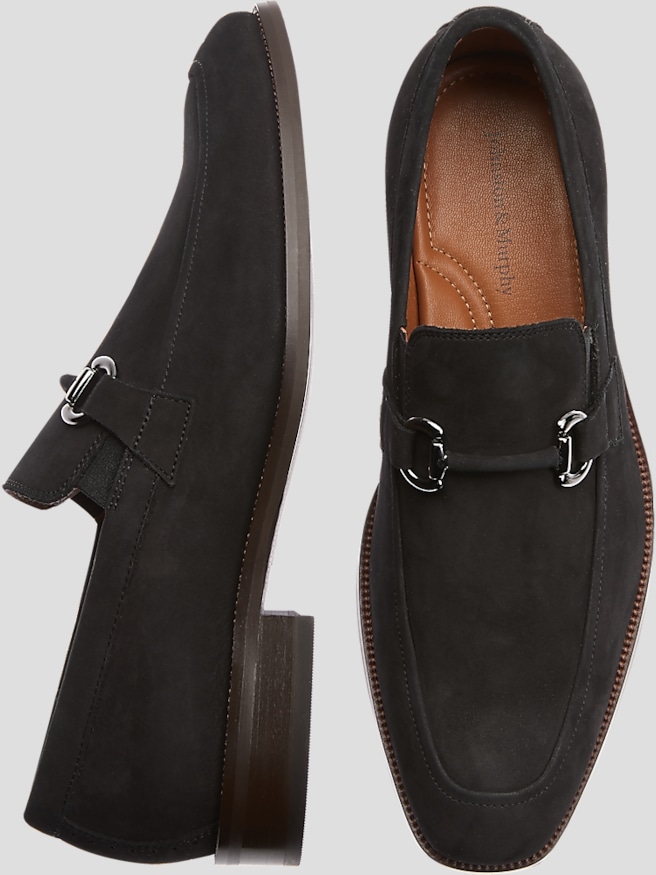
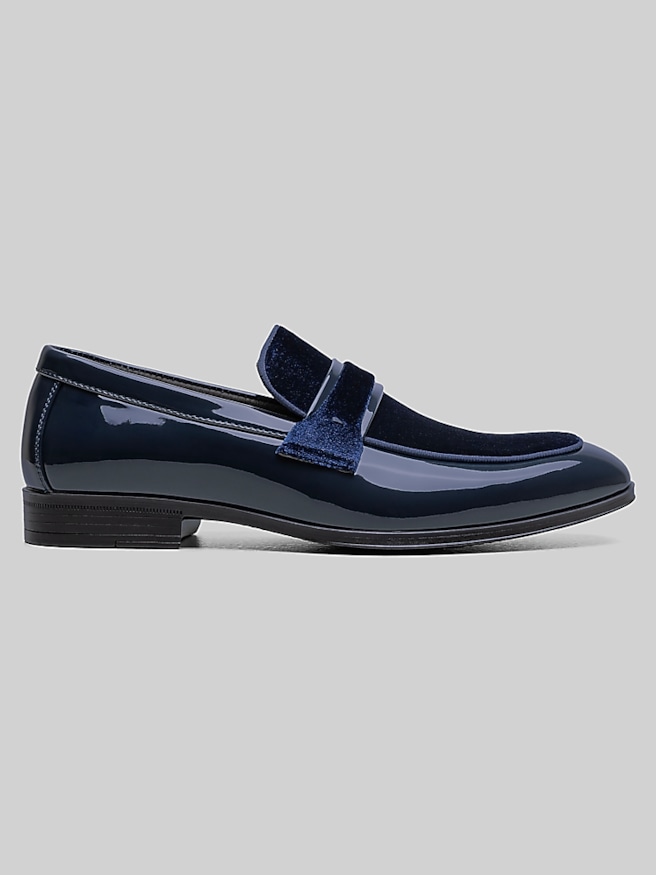
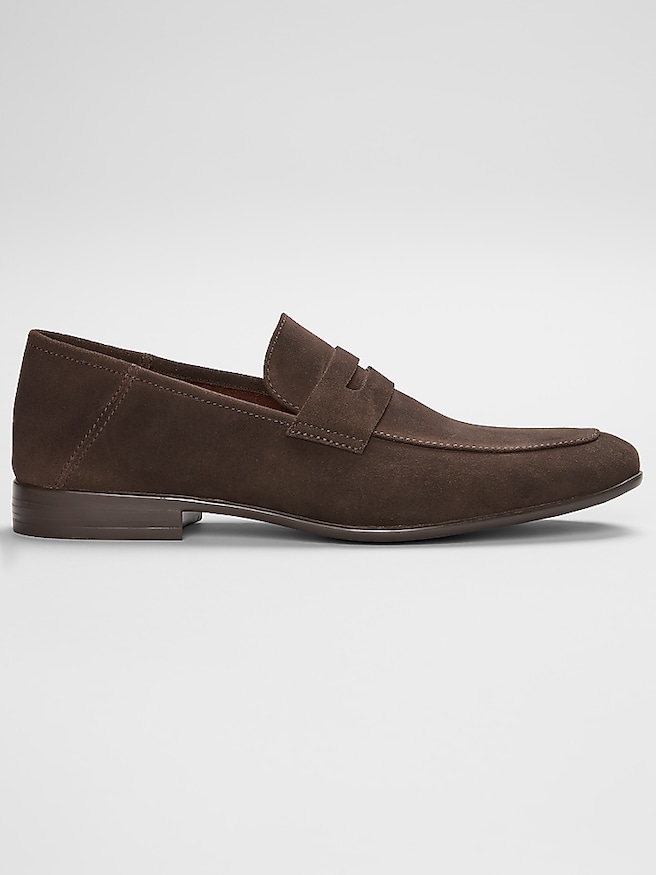
Men’s navy blue slip-on loafers bring a rich, understated color to a familiar shoe shape, making them a versatile choice for business-casual offices, dinner reservations, celebrations, and relaxed weekends. Their defining features are a laceless upper, a low profile around the ankle, and a shape that slips onto the foot without buckles or ties. Navy offers a softer visual contrast than black against light trousers while still looking composed with charcoal, medium gray, olive, and brown. With khaki chinos and a button-down shirt, the effect is easygoing but considered; with gray wool trousers and a fine-gauge sweater, the same color feels more suited to a polished workplace. Dark denim also pairs naturally with navy loafers, especially when the jeans have a clean finish and enough contrast in texture or shade to keep the shoes distinct. Navy trousers can work, too: a visible shift in depth, fabric, or finish helps the combination look intentional rather than almost matched. Within the broader range of Navy Blue Loafers, details such as a penny strap, a metal bit, tassels, or a plain vamp change the overall character. A streamlined toe and restrained stitching generally lean dressier, while a rounded moccasin toe and more pronounced seams feel relaxed. Smooth leather has a crisp surface that complements tailored clothing, whereas suede adds a soft, matte texture beside corduroy, brushed cotton, or knitwear. Trouser length matters as much as color: a clean hem with little excess fabric keeps the loafer’s low-cut shape visible instead of hiding it beneath folds. During cooler months, fine socks in navy or charcoal create a quiet transition from shoe to trouser, while burgundy or a subtle pattern adds interest without overwhelming the outfit. For a dress-code-flexible wedding or an evening gathering, a sleek loafer can complement tailored separates; events with strict formal requirements may call for another shoe style.
Materials and construction influence how navy slip-on loafers feel over a full day, not just how they look beside a pair of trousers. Smooth leather can soften with wear and develop creases where the foot bends, giving the upper a lived-in character without necessarily compromising its usefulness. Suede has a velvety nap that adds depth to navy blue, with the shade appearing slightly lighter or darker as the fibers shift. Both benefit from thoughtful care, and neither should be assumed waterproof unless the footwear is specifically described that way. Textile and synthetic uppers offer other textures and handling characteristics, with breathability and flexibility depending on the particular material and construction. Inside the shoe, a smooth lining can help reduce friction, while padding under the heel and forefoot may soften contact with hard floors. Cushioning alone, however, does not establish arch support or guarantee comfort for extended standing. For someone moving between a desk, conference rooms, and a walk to lunch, the balance of secure fit, manageable weight, and sole flexibility can matter more than a noticeably plush first step. Rubber outsoles often suit everyday walking, though traction depends on the tread and surface conditions. Leather outsoles have a traditional dress-shoe feel but warrant extra caution on slick pavement, particularly before the soles have developed some surface texture through wear. A low, broad heel can give the profile a grounded look, while a slimmer sole keeps the silhouette closer to a dress loafer. Even stitching, cleanly finished edges, and a well-secured connection between upper and sole are useful construction details to consider. Some constructions allow professional resoling, but repairability varies and should not be assumed from appearance alone. Intended use helps put these details in perspective: shoes for occasional dinners face a lighter routine than a pair worn through long office days and regular neighborhood walks. Navy’s depth makes it adaptable across those settings, but the material, sole, and shape determine how comfortably a loafer fits into each routine.
Because slip-on loafers have no laces to adjust, fit through the heel and instep deserves particular attention. A comfortable pair should hold the foot securely without pressing hard across the top, pinching the toes, or forcing the wearer to grip with each step. A small amount of heel movement can occur with a stiff new sole, but repeated lifting or rubbing may indicate that the shape or size is unsuitable. Toes need room to rest naturally, and the widest part of the foot should align with the widest part of the shoe. Leather may ease slightly as it softens, but a shoe that is painfully tight or too short should not be treated as a break-in project. Trying loafers with the socks intended for everyday wear gives a more useful sense of fit than switching between thick socks and bare feet. Low-cut liners create an exposed-ankle look while helping manage moisture, whereas lightweight dress socks provide coverage beneath trousers during cooler weather. For gifting, navy loafers can suit a graduate building a work wardrobe, a partner who enjoys tailored casual clothing, or someone marking a career milestone, provided the recipient’s size, width, and preferred shoe shape are known. Consistent care helps preserve both the color and structure. Dust and surface grit should be removed before they settle into seams or abrade the finish. Smooth leather generally benefits from a soft cloth and a suitable conditioner used according to its directions; any polish should be compatible with the material and navy shade, with a discreet test first. Suede calls for a dedicated brush and products formulated for its nap rather than ordinary leather cream. Wet shoes should dry naturally away from radiators and other direct heat. Shoe trees can help maintain shape between wears, and alternating pairs gives the interiors time to dry. With a secure fit and care suited to the material, navy blue slip-on loafers can become a dependable part of a wardrobe built around clean lines, subtle color, and everyday versatility.