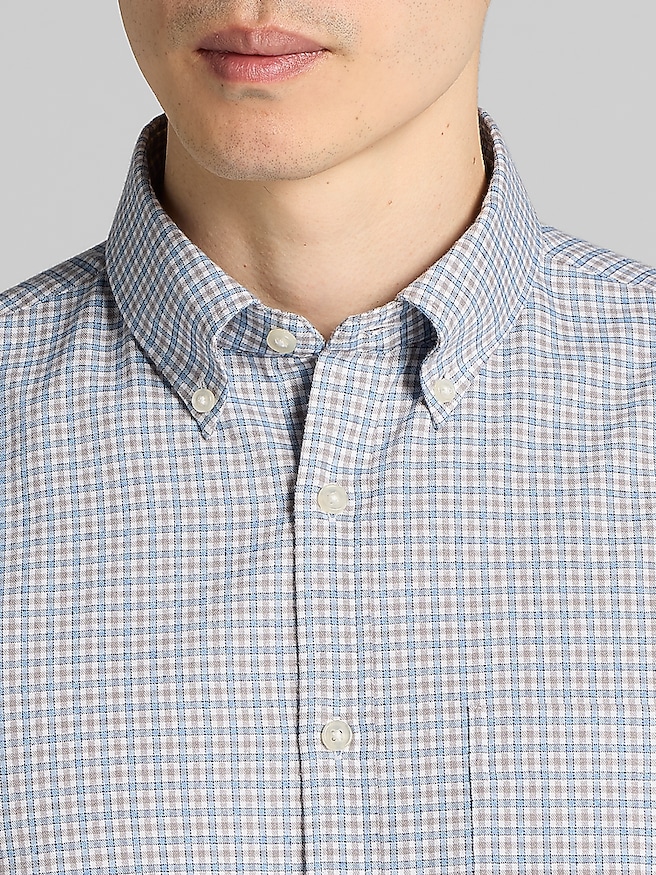
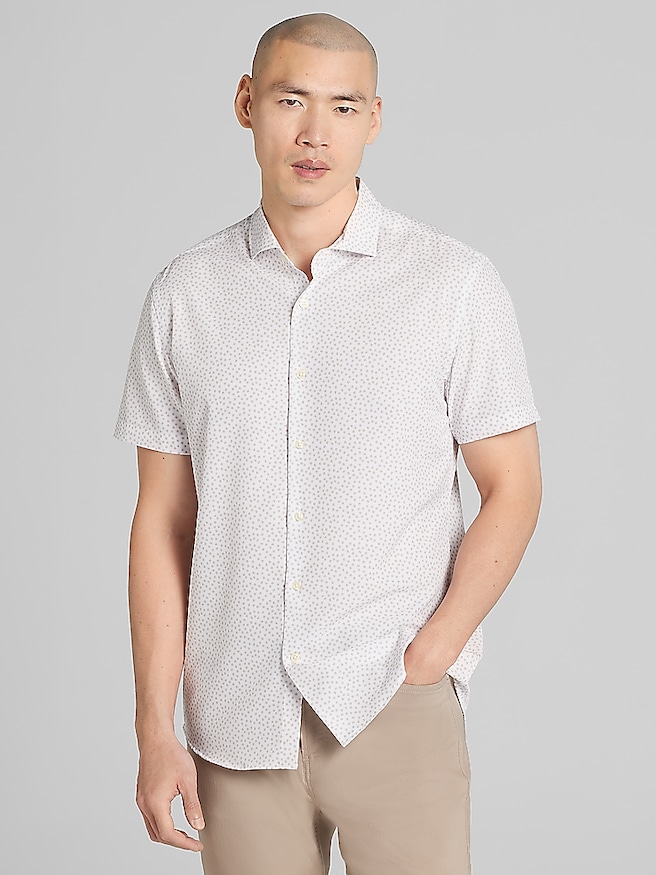
Men’s minimalist casual shirts combine clean lines, restrained colors, and subtle details in styles that work across everyday settings. Their appeal comes from versatility: a simple shirt can look at home with jeans at a neighborhood café, chinos in a relaxed office, or tailored trousers at a casual dinner. Rather than relying on bold graphics or elaborate trim, minimalist shirting puts the attention on fabric, proportion, and a comfortable fit. White, navy, gray, black, and muted earth tones create an easy foundation, while a fine stripe or tonal texture can add depth without making an outfit feel busy. A solid shirt does not have to look flat; the small irregularities of an Oxford weave, the pebbled surface of piqué, or the soft drape of cotton jersey can supply enough visual interest on their own. Cotton is a familiar choice for its breathable feel and range of textures, from smooth knits to more structured woven fabrics. Linen brings a distinct grain and a relaxed appearance, with natural creasing that suits an informal look rather than a perfectly pressed finish. Blended fabrics can balance softness, shape retention, and ease of care, depending on their fiber content and construction. A small amount of stretch may make reaching, sitting, and moving more comfortable, though stretch alone does not determine how well a shirt fits. Fabric weight also affects the overall impression: a substantial knit can create a more defined outline, while a fluid woven fabric falls closer to the body. Details such as a neat placket, an understated chest pocket, or buttons that blend into the fabric keep the design quiet without stripping away character. The result is a category of casual shirts for men who appreciate clothing that feels considered but not conspicuous, with enough flexibility to become part of a regular rotation rather than an outfit reserved for a single occasion.
Fit gives men’s minimalist casual shirts much of their character, especially when there are few decorative details to draw the eye elsewhere. On a traditional set-in sleeve, the shoulder seam generally sits near the edge of the shoulder, allowing the sleeve to fall cleanly instead of pulling across the upper arm. Through the chest and torso, comfortable room helps the fabric lie smoothly when standing and sitting; tension around the buttons can interrupt an otherwise simple silhouette. A slim fit follows the body more closely, while a regular or relaxed fit leaves additional space and can create an intentionally easy shape. Neither approach is inherently more minimalist—the important distinction is whether the proportions look deliberate and allow natural movement. Sleeve length, collar size, and hem shape all contribute to that balance. A collar that rests neatly beneath an overshirt looks different from one designed to sit open on its own, and a shorter, straighter hem often works well untucked. Longer curved hems may stay more securely in place when tucked, although the intended styling depends on the shirt’s design. These differences matter in ordinary situations: sitting through a team lunch, carrying a bag across town, or reaching across a table should not require constant adjustment. Pairing a plain navy shirt with medium-wash denim creates an understated combination, while an off-white shirt and charcoal chinos offer a little more contrast without introducing a strong pattern. Keeping the shirt and trousers close in tone produces a quieter effect; varying the fabric textures helps the outfit retain definition. An unbuttoned woven shirt over a simple crew neck adds another layer of texture without needing an eye-catching print. For workplaces with a casual dress code, a tidy collar and an even hem can make the same shirt feel more polished. For errands, travel days, and informal gatherings, a softer knit or roomier cut can provide an easier feel. The usefulness lies in those small adjustments, allowing a restrained wardrobe to support different routines without requiring a completely separate look for each one.
Durability and care deserve as much attention as appearance because a frequently worn shirt needs to hold its shape and remain comfortable over repeated use. Even stitching, securely attached buttons, and neatly finished seams are useful construction details to consider. At points that receive regular strain, including pocket corners and sleeve openings, sound reinforcement can help a shirt withstand ordinary wear. Fabric softness is appealing, but a very soft hand does not automatically indicate greater strength; fiber quality, yarn structure, and finishing also influence performance. The care label remains the most reliable reference for washing, drying, and pressing. When permitted by those instructions, washing with similar colors, avoiding excessive dryer heat, and removing shirts promptly can help limit unnecessary fading, shrinkage, and persistent creases. Knit shirts may benefit from being folded if hanging causes the shoulders to stretch, while woven shirts often keep a neater appearance on appropriately sized hangers. A linen shirt’s relaxed texture may need little correction for casual wear, whereas a crisp cotton collar may benefit from careful pressing. Prompt attention to a loose button or an opening seam can extend a shirt’s useful life without changing its understated appearance. This practical side makes minimalist casual shirts appealing to anyone building a smaller, more coordinated wardrobe, simplifying a daily routine, or looking for clothing that can handle repeated wear without feeling repetitive. They can also make thoughtful gifts for a partner, father, brother, or friend whose preferences lean toward plain colors and uncomplicated styling. Familiarity with the recipient’s usual fit, favored collar shape, and preferred care routine makes the choice more personal than color alone. The related Mens Fall Casual Shirts category provides another place to explore casual shirting for a wardrobe built around simple layers. Across these choices, the lasting appeal of minimalist design is straightforward: comfortable fabrics, balanced proportions, and quiet details make it easier for a shirt to earn its place through regular use.