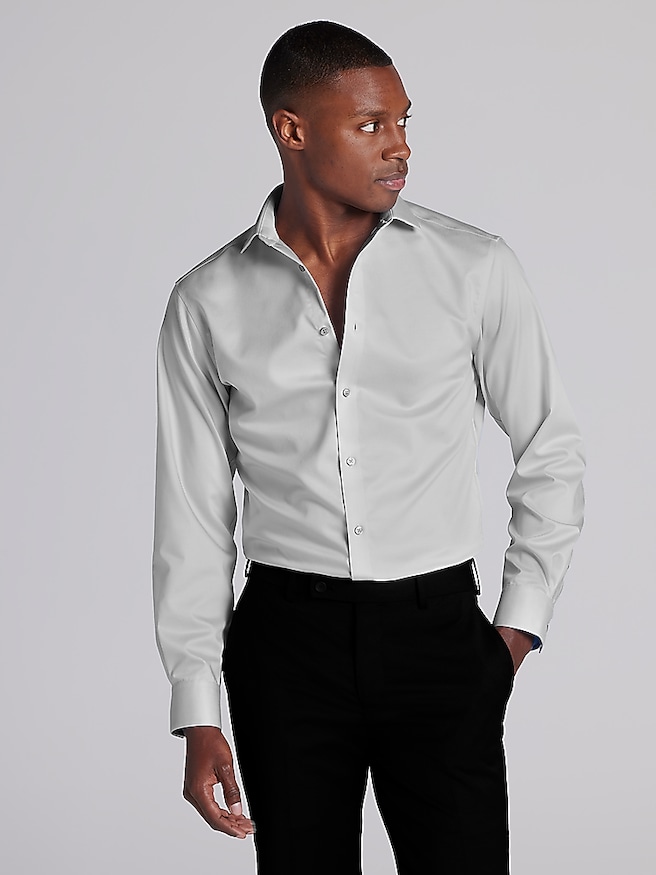
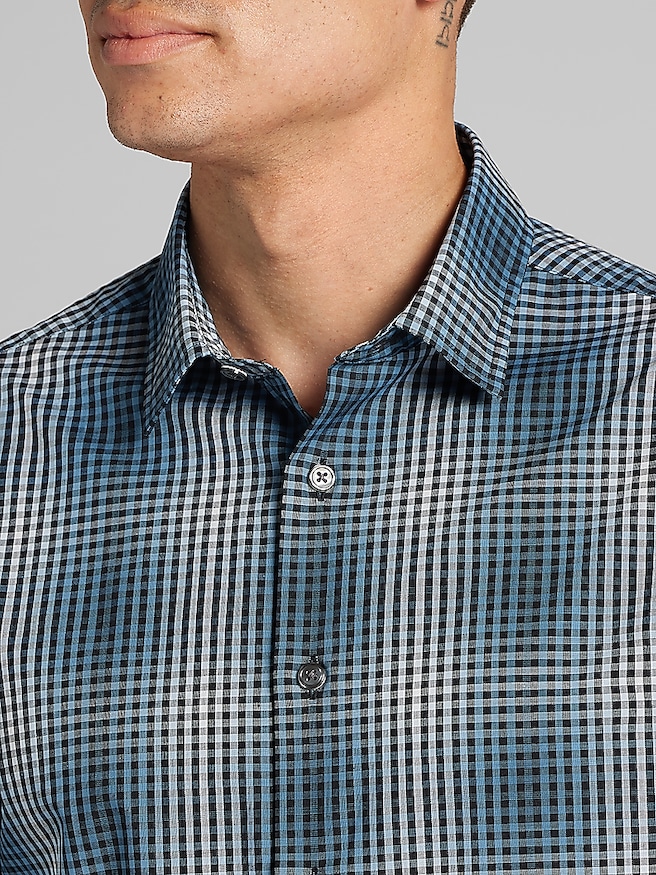
Men's lightweight casual shirts combine breathable fabrics, comfortable cuts, and relaxed details for everyday wear without the bulk of heavier shirting. Common fabric choices include cotton, linen, cotton-linen blends, and lightweight performance blends, each with its own texture, drape, and care needs. Cotton poplin has a smooth surface and a relatively crisp appearance, making it a natural match for clean-lined chinos or dark jeans. Lightweight cotton gauze has a softer, more textured character, while linen offers a distinctive slubbed surface and an easy drape that makes natural creasing part of its appeal. Cotton-linen blends can balance linen's texture with cotton's familiar softness, though the proportions and construction influence the finished feel. Seersucker adds a puckered surface that holds portions of the fabric away from the skin, and lightweight chambray delivers a denim-like appearance without the same substantial weight. Some synthetic or blended fabrics are designed to stretch, manage moisture, or dry quickly, but those qualities depend on the fabric and finish rather than the fiber name alone. Fabric weight also tells only part of the story: a loose weave, a soft finish, and an unlined construction can all affect how a shirt feels during a full day of wear. A short-sleeve shirt is not automatically lighter than a long-sleeve version, and a pale color does not necessarily indicate a more breathable fabric. The most useful distinction is how the material feels, moves, and layers. Solid colors emphasize texture and simplify outfit coordination, while narrow stripes, small checks, and understated prints add interest without requiring much else. A softly textured shirt with neutral pants can look considered without feeling overly dressed, whether the day includes a casual office, lunch with friends, or an evening out. The result is a category defined less by one particular look than by an easy balance of comfort, versatility, and everyday polish.
Fit gives men's lightweight casual shirts much of their character, particularly because lighter fabrics tend to reveal pulling, bunching, and excess volume. Slim fits generally sit closer through the chest and waist, regular fits provide a straighter shape, and relaxed fits allow more room through the body, although those labels vary by maker. A comfortable fit leaves enough space to reach forward, sit down, and bend an arm without the front buttons straining or the back pulling tightly across the shoulders. On a traditional set-in sleeve, the shoulder seam usually sits near the edge of the shoulder; intentionally dropped shoulders create a looser silhouette. Sleeve length matters just as much as body width. Short sleeves that fall around the middle of the upper arm tend to look balanced, while long sleeves should allow natural movement at the elbow and wrist. A cuff that opens easily makes a neat sleeve roll more practical, especially when the fabric is soft enough to fold without forming a bulky band. Hem shape helps determine how a shirt works with the rest of an outfit. A shorter, relatively straight hem often suits untucked wear, while a longer curved hem provides more coverage when tucked into trousers. Side vents can add ease around the hips, and a chest pocket brings a familiar casual detail without changing the overall simplicity. Open collars and camp collars create a relaxed neckline; button-down collars give a little more structure and can sit neatly beneath an unstructured jacket. With jeans and clean sneakers, a lightweight button-front shirt looks easygoing. With chinos, a belt, and loafers, the same general style feels more polished. Long sleeves also provide flexibility for business-casual settings where short sleeves may not suit the dress code. Across Men's Lightweight Shirts, that balance of shape and comfort supports outfits that feel appropriate for the setting without becoming stiff or complicated.
Care and construction help determine how well a lightweight casual shirt holds its shape through repeated wear. A lighter fabric does not have to feel fragile, but it benefits from attention to seams, buttons, and finishing. Even stitching, neatly finished seam allowances, and securely attached buttons are useful signs of careful construction. Areas that receive regular stress, including the underarms, cuffs, pocket edges, and button placket, deserve particular attention because daily movement repeatedly works those points. Some loosely woven fabrics can catch more easily on rough surfaces, while densely woven lightweight fabrics may feel smoother and more structured. Care requirements vary, so the sewn-in label remains the best reference for washing, drying, and ironing. Cotton and linen may shrink under unsuitable laundry conditions, and certain blends or finishes require gentler treatment to retain their intended appearance. Washing with similar colors and avoiding an overloaded machine can reduce unnecessary rubbing and help shirts rinse thoroughly. Turning a shirt inside out may also protect its visible surface from abrasion. Prompt removal after laundering helps limit deep creases, while drying and pressing methods should follow the garment's instructions. Linen's natural wrinkles need not be treated as a flaw; a softly rumpled finish suits its casual character. Poplin may look best with a little more smoothing, especially around the collar and front placket. Between wears, a suitable hanger helps preserve the shoulder shape, and adequate closet space keeps lightweight fabrics from being crushed. These shirts also make thoughtful gifts for a father, brother, partner, or friend whose wardrobe centers on comfortable, useful clothing. Familiar colors, an established fit preference, and realistic care habits are better starting points than an unfamiliar cut or a fabric requiring more upkeep than the recipient enjoys. Whether worn for desk work, a road trip, a neighborhood dinner, or an unhurried day off, a well-chosen lightweight casual shirt earns its place through easy movement, a pleasing feel, and the ability to work with clothes already in regular rotation.