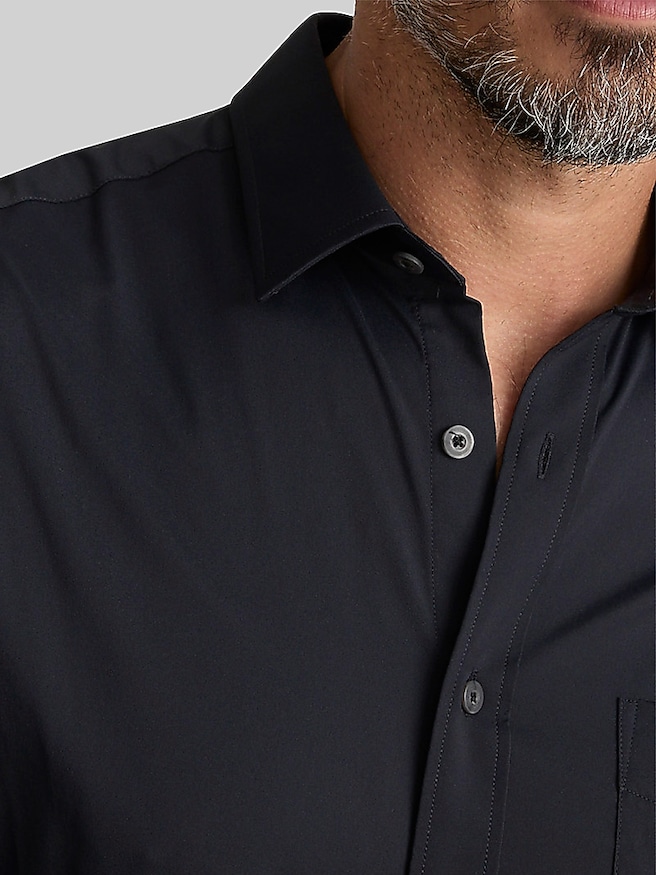
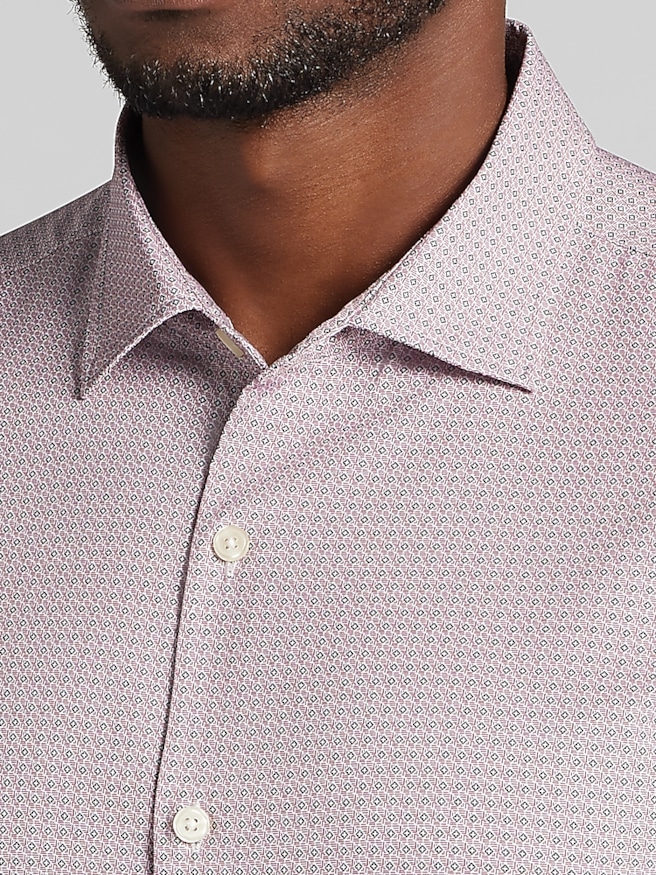
Men’s long-sleeve shirts include dress shirts, casual button-front styles, polos, henleys, and tees, offering choices for office days, special occasions, and everyday wear. The main distinctions are fabric, construction, fit, and finishing details: a crisp woven shirt creates a more structured appearance, while a soft knit has a relaxed feel and moves easily with the body. Cotton is a familiar choice for its softness and breathability, with the weave influencing how the finished shirt looks and feels. Poplin typically has a smooth, fine surface that works well beneath a suit jacket; Oxford cloth has a more noticeable texture that pairs naturally with chinos or denim. Twill’s diagonal weave adds visual depth and often gives a shirt a substantial hand. Brushed fabrics offer a soft surface and a distinctly casual character, while linen has an airy structure and natural texture that looks at home with easygoing tailoring. Cotton blends can bring together the qualities of multiple fibers, and fabrics containing stretch may provide extra give through the shoulders and elbows. Polyester blends often resist wrinkling, although performance varies by fabric and finish. These details matter in familiar situations, from sitting through a presentation to reaching across a restaurant table or carrying a bag through an airport. A smooth dress shirt can provide a polished foundation for a tie and tailored trousers, while a knit polo offers a less formal alternative with a defined collar. A long-sleeve tee or henley works with jeans on its own or beneath an open overshirt. For someone whose day includes both a client appointment and a casual dinner, a textured button-front shirt can bridge the two settings without looking overly formal in either. The most useful choice is one that suits the wearer’s routine, feels comfortable for several hours, and has the right amount of structure for the setting. Fabric weight, surface texture, and collar style often say more about a shirt’s intended use than color alone.
Fit shapes both the appearance and comfort of men’s long-sleeve shirts, especially when the shirt needs to work beneath a jacket or remain neatly tucked. In a traditional set-in sleeve, the shoulder seam generally sits near the outer edge of the shoulder rather than dropping far down the upper arm. The chest should have enough room for comfortable movement without pulling the button placket open, and the back should allow the wearer to reach forward without excessive strain. A slim fit follows the torso more closely, while a classic or relaxed fit generally leaves additional room through the chest and waist; the exact proportions depend on the garment’s measurements. Sleeve length deserves equal attention. With the arms relaxed, a dress-shirt cuff should reach the wrist, and beneath a properly fitted jacket it can show a small, clean edge. A collar worn with a tie needs to close comfortably without squeezing the neck. For untucked wear, a shorter hem can create a balanced outline, while a longer shirttail provides the coverage needed to stay tucked through sitting and standing. Details help establish the mood, too. A spread collar gives a tie room to sit neatly, a button-down collar offers a more relaxed finish, and a band collar creates a clean neckline without conventional collar points. Button cuffs are practical for regular wear, while French cuffs accommodate cuff links for dressier occasions. Solid colors make pairing straightforward, but stripes, checks, and subtle woven patterns add variety without requiring elaborate styling. Red can serve as a focal point with charcoal trousers, dark denim, or a navy jacket, and Mens Red Long Sleeve Shirts offers a color-focused direction for that look. When patterns appear elsewhere in an outfit, varying their scale helps each element remain distinct. A fine stripe beneath a broader jacket check, for example, can look intentional rather than crowded. Keeping the shirt smooth across the chest and comfortably fitted at the neck does more for a polished appearance than adding extra accessories.
Care and construction influence how well a long-sleeve shirt holds its shape and appearance through repeated wear. Even stitching, securely attached buttons, and cleanly finished seams are useful details to examine, particularly at cuffs, side seams, and other areas that receive regular friction. Fabric thickness alone does not determine durability: the fiber, weave, finishing, and care routine all contribute. A lightweight shirt can be well made, while a heavier fabric still needs appropriate handling. The care label remains the best reference for washing, drying, ironing, or professional cleaning because two shirts with a similar appearance may have very different requirements. For machine-washable styles, sorting by color and following the recommended cycle can help preserve the fabric’s finish. Treating collar and cuff marks promptly according to the label is often easier than dealing with buildup later. Excessive dryer heat can contribute to shrinkage or damage some stretch fibers, so drying instructions deserve as much attention as washing instructions. Woven shirts that permit ironing generally look neater when the collar, placket, and cuffs are pressed carefully; textured or deliberately relaxed fabrics may suit a less sharply pressed finish. Wrinkle-resistant does not mean wrinkle-proof, and hanging a shirt promptly after laundering can reduce deep creases. Storage matters as well: suitable hangers support woven shirts, while folding can help heavier knits avoid stretching at the shoulders. These practical considerations also make long-sleeve shirts thoughtful gifts for a graduate building a work wardrobe, a partner who enjoys dressing for dinner, or a family member who prefers dependable everyday clothing. Knowing the recipient’s usual neck and sleeve measurements, preferred fit, and tolerance for ironing makes the choice more personal and useful. A shirt that coordinates with trousers and jackets already in rotation is likely to earn regular wear. Whether the goal is a crisp professional outfit or a comfortable casual combination, lasting usefulness comes from the same essentials: fabric that suits the task, proportions that allow natural movement, and care requirements that fit everyday life.