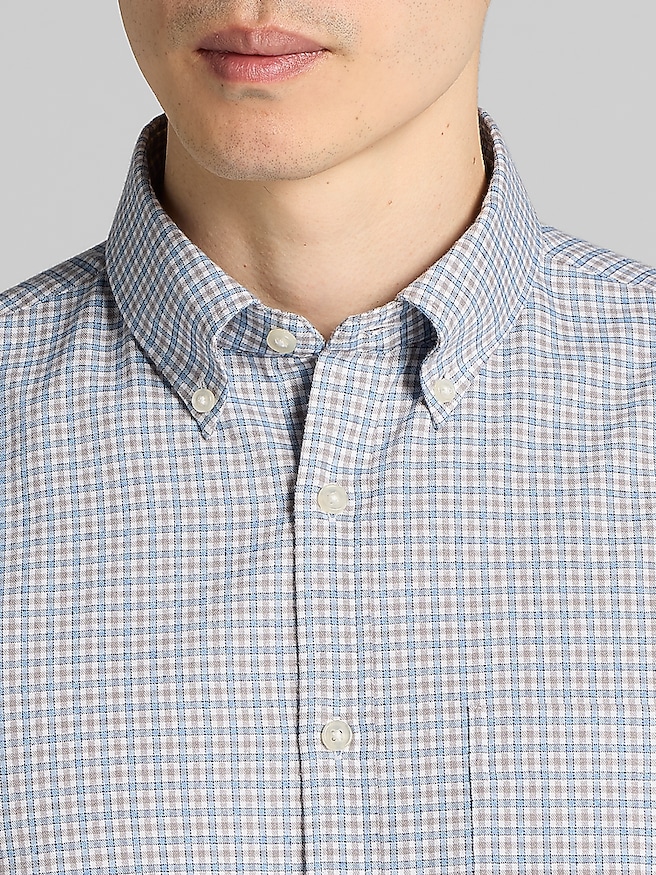
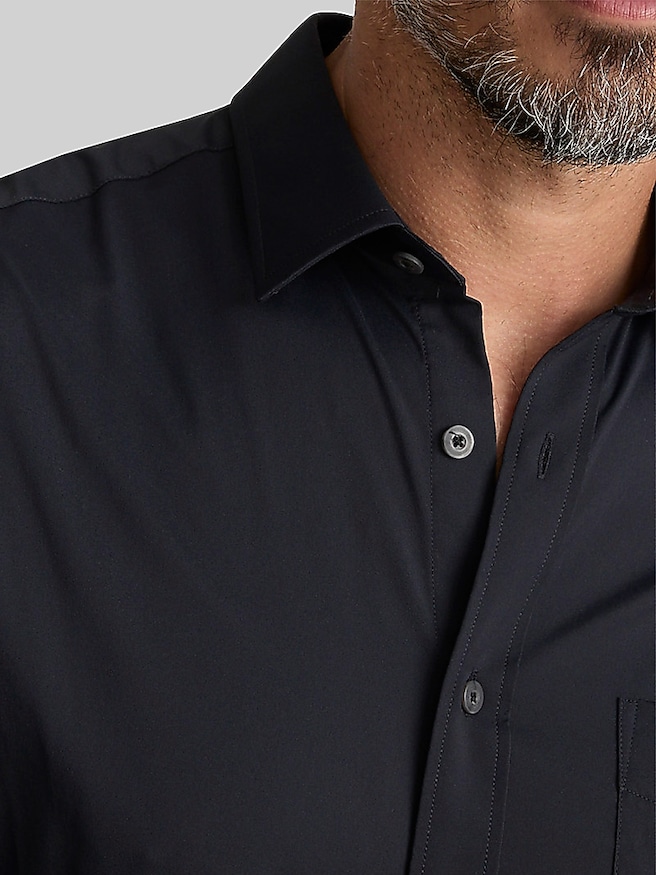
Men’s long sleeve fall shirts bring texture, coverage, and versatility to everyday dressing, whether the day involves a morning commute, a casual office, or dinner with friends. Their appeal often comes down to the fabric: enough substance to feel appropriate with fall layers, without unnecessary bulk beneath a sweater or jacket. Cotton is a familiar choice for its breathability and soft feel, while cotton blends can add stretch, help reduce wrinkling, or make routine care more manageable, depending on their composition and finish. Brushed flannel has a softly raised surface that feels comfortable against the skin and complements denim or corduroy. Twill offers a distinctive diagonal weave and a substantial hand, while oxford cloth provides visible texture that works particularly well in button-down styles. A smooth woven shirt can create a cleaner, dressier impression without feeling out of place beside more relaxed fall clothing. Within the broader category of Men's Long Sleeve Shirts, fabric weight and surface texture help distinguish a lightweight layering piece from a shirt that feels substantial enough to wear on its own. Neither needs to be especially heavy to suit the season; a breathable shirt underneath a knit layer can be more comfortable indoors than a thick fabric worn beneath another substantial garment. Earth tones, deep blues, muted greens, and warm neutrals pair naturally with fall wardrobes, while white and pale blue remain useful for settings that call for a sharper finish. Plaids and checks add visual interest beneath solid sweaters, and subtle stripes bring structure without dominating an outfit. The overall effect depends as much on scale and contrast as color: a small check tends to feel quieter than a broad plaid, especially when a jacket is part of the outfit. For a day that moves from an outdoor walk to a heated dining room, these differences in fabric and layering make a practical difference in comfort. A shirt that looks finished on its own also makes it easier to remove an outer layer without making the outfit feel incomplete.
Fit gives a long sleeve fall shirt its shape and determines how comfortably it works with the rest of an outfit. The shoulder seams generally sit near the edges of the shoulders, while the chest and back need enough room for reaching, sitting, and moving without pulling across the buttons. A closer cut can create a neat line beneath a fitted sweater or sport coat, but a shirt should not depend on stretch alone to accommodate ordinary movement. A roomier cut allows more ease through the torso and can feel comfortable over a lightweight undershirt. Sleeve length matters just as much: with arms relaxed, cuffs should reach the wrist without covering the hand, and the sleeves should allow a natural bend at the elbow. Cuffs that close comfortably around the wrist help keep extra fabric from sliding down, particularly when the shirt is worn beneath a jacket. The hem also influences how a shirt is used. Longer, curved hems generally provide more coverage for tucking, while shorter hems with balanced proportions can create a tidy untucked look. A shirt that stays in place through a commute or a long meeting feels different from one that continually pulls free at the waist. Collar shape adds another layer of character. A button-down collar maintains a relaxed, defined outline under knitwear, while a spread or point collar can create a more polished frame at the neckline. For office days, a softly textured solid shirt with chinos and a sport coat offers an approachable alternative to more formal dressing. For a weekend gathering, a plaid shirt with dark denim keeps the combination straightforward without looking unfinished. Texture helps connect these outfits: brushed cotton sits comfortably beside a substantial knit, while a smoother shirt provides contrast against a textured jacket. When several layers are involved, a little space through the upper arm and body helps prevent bunching, giving the finished outfit a cleaner appearance and making it easier to move.
Care and construction play a meaningful role in how well long sleeve fall shirts hold their appearance over repeated wear. The fabric care label is the best reference because cotton, blended fibers, brushed finishes, and stretch fabrics can respond differently to washing, drying, and heat. Excessive dryer heat may contribute to shrinkage or affect the feel of certain fibers, while prompt removal after washing or drying can help limit wrinkles. Brushed fabrics benefit from gentle handling that protects their soft surface, and shirts worn beneath sweaters may need particular attention around the underarms, collar, and cuffs. Those high-contact areas often show wear before the rest of the garment, making secure stitching, neatly finished seams, and firmly attached buttons useful details to consider. A dense weave can feel substantial, but weight alone does not establish durability; fabric quality, construction, care, and frequency of wear all contribute. Leaving room between shirts in a closet helps prevent unnecessary crushing, and smoothing the collar and button placket before hanging can make the next wear easier. Ironing or steaming should follow the garment’s instructions, especially when a shirt includes stretch fibers or a surface finish. These practical details matter for anyone building a dependable rotation for work, travel, family meals, or relaxed evenings out. Long sleeve shirts can also make thoughtful gifts when the recipient’s size, preferred fit, and usual dress habits are known. Someone who spends weekdays in tailored clothing may appreciate a restrained pattern and a collar that sits neatly beneath a jacket; someone with a more casual routine may gravitate toward a softer texture and an easy untucked shape. Familiar colors are often simpler to integrate into an established wardrobe than a bold pattern that requires an entirely new outfit. Ultimately, a useful fall shirt balances a comfortable feel, an appropriate fit, and enough versatility to suit more than one setting. It should feel natural at a desk, across a dinner table, or beneath a favorite outer layer, with details that support regular wear rather than demand constant adjustment.