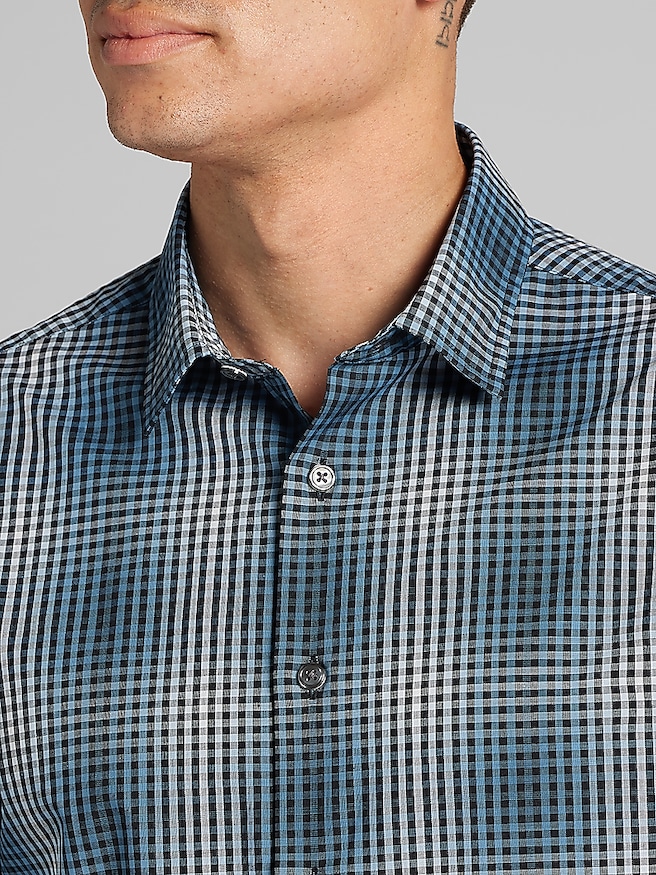
Men's linen fashion combines natural texture with the clean lines of shirts, trousers, jackets, and suits. Made from flax fibers, linen has a recognizable surface: subtle variations in the yarn create depth, while the fabric's limited elasticity gives it the creases that distinguish it from smoother woven materials. Those wrinkles are part of its character, not necessarily a sign that a garment needs pressing. Linen is breathable and absorbs moisture, though its weight, weave, and construction determine how substantial or airy an individual garment feels. A fine, open weave may look slightly sheer, especially in pale colors, while a denser weave generally provides more coverage and structure. Pure linen can feel crisp before softening with wear and appropriate care. Linen blends offer another approach: cotton can contribute a softer hand, viscose can add fluid drape, and certain synthetic fibers may help a garment retain its shape or resist wrinkling. The fiber label gives a more useful picture than the word “linen” alone, since the proportion of each material affects feel and upkeep. Fit matters just as much as composition. A linen shirt should sit comfortably across the shoulders, with enough room through the chest and back to reach forward without pulling at the buttons. Relaxed does not have to mean oversized; an excessively wide body or sleeves that swallow the wrists can obscure an otherwise clean silhouette. For easy shirt-and-trouser combinations, men's summer linen shirts work naturally with cotton chinos, tailored linen pants, or dark denim. A straight hem can suit an untucked outfit when its length is proportionate, while a longer shirttail generally works better tucked in. An open collar creates a casual finish; a neatly buttoned collar under a jacket gives the same fabric a more composed appearance. Even small details, such as whether a collar stands neatly beneath lapels or collapses into them, affect how finished the outfit looks.
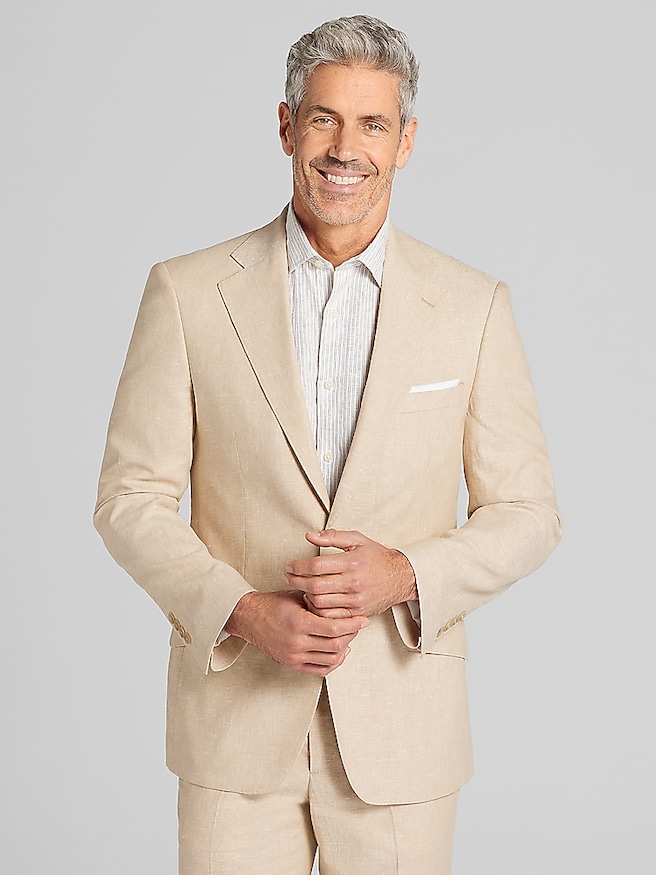
Linen trousers and tailoring bring that texture into outfits for dinners, celebrations, travel, and workplaces where the dress code allows a less structured appearance. The strongest combinations balance ease with definition. Trousers should sit securely at the waist without relying on a tightly cinched belt, and the seat and thighs need enough room for sitting comfortably. A straight or gently tapered leg often keeps the line tidy without restricting movement. At the hem, little or no break can create a clean finish with loafers, while a slight break works with more traditional dress shoes. Extra fabric pooling around the ankles tends to look less intentional, particularly when the rest of the outfit is tailored. Linen jackets follow the same basic fit principles as other tailoring: the shoulders should lie cleanly, the collar should rest against the shirt, and the front should close without pronounced pulling. Unlined and partially lined construction can allow more of the fabric's natural movement, while fuller linings and internal structure create a more defined shape. Neither is automatically better; the distinction is useful when deciding between an easy separate and a more formal-looking suit. A coordinated linen suit can suit a wedding guest, a groom, or someone attending a dressy daytime gathering, provided the invitation and setting support it. Linen alone does not make an outfit appropriate for black tie. For separates, a textured jacket over smooth cotton trousers creates contrast without needing a bold pattern. Navy, stone, olive, and soft gray are versatile starting points, while a pale shirt can keep the combination visually clear. When mixing similar neutrals, a noticeable difference in tone helps the pieces look deliberately paired rather than almost matched. Leather loafers sharpen the finish, understated sneakers make it more casual, and a simple belt can connect the trousers to the shoes without demanding an exact color match. A patterned tie or pocket square can add personality, but leaving some visual space lets linen's texture remain the focus.
Linen's durability depends on more than the strength of its flax fibers. Fabric density, seam construction, finishing, and the way a garment fits all influence how it holds up to repeated wear. Smooth seams and secure buttons are practical details, while enough room at the elbows, seat, and thighs reduces unnecessary strain. Linen's low stretch makes that ease especially important; a close fit should not feel restrictive when sitting down or reaching across a table. Care begins with the label, because washable linen shirts and tailored linen jackets may require very different treatment. A garment's lining, interfacing, trim, and blended fibers can determine whether washing is suitable, even when the outer fabric contains linen. For machine-washable pieces, the recommended cycle and water temperature help protect the fabric and limit unwanted changes in size. Overloading the machine can compress garments into hard creases, and excessive dryer heat may cause shrinkage. Promptly removing washable linen after the cycle and smoothing collars, plackets, and seams can reduce the work needed afterward. Pressing or steaming should follow the garment's care instructions, with heat adjusted for every fiber in the blend. Pressing while the fabric is slightly damp can make creases easier to release when the label permits it. There is no need to chase every soft fold: a tidy collar, smooth front, and clean cuffs often provide enough definition for an everyday outfit. Jackets benefit from supportive hangers, and clean, fully dry garments should be stored with enough space to avoid crushing. For travel, allowing time to unpack and hang linen helps restore its shape before dressing. Linen clothing can also make a thoughtful gift for someone who appreciates tactile fabrics, relaxed tailoring, or outfits that move easily between a casual lunch and a dinner reservation. Using measurements from a well-fitting garment helps narrow the fit, while considering the recipient's usual colors, preferred silhouette, and care habits makes the choice more personal and useful.