Men’s lined boots bring a layer of comfort to sturdy footwear, pairing protective uppers with interiors designed to soften contact against the foot and, in insulated styles, help retain warmth. They suit everything from a frosty walk to the train to a relaxed dinner after a day spent outdoors, with the right construction making the distinction between everyday footwear and boots built for extended exposure. The lining material shapes much of that experience. Shearling combines leather with an attached wool fleece, creating a plush interior that holds warm air close to the foot; its thickness can also give a boot a fuller profile. Wool linings provide insulation and can absorb moisture vapor, though overall comfort still depends on socks, ventilation, and how long the boots stay wet. Fleece offers a soft, brushed feel and is often made from synthetic fibers that dry relatively quickly. A fleece-lined boot can feel inviting without the bulk of a heavily insulated outdoor style, but warmth varies with the lining’s density and coverage. Neoprene, a synthetic rubber commonly used in protective footwear, provides cushioning and insulation while resisting water penetration through the material itself. That does not automatically make an entire boot waterproof: seams, closures, and upper construction matter, too. Smooth leather or textile linings serve a somewhat distinct purpose, reducing friction and helping boots slip on comfortably without necessarily adding substantial insulation. For cold-weather use, coverage through the toe area matters as much as a plush-looking collar. A soft rim around the ankle may feel pleasant, but it does not indicate how much warmth the rest of the boot provides. Taken together, these details make lined boots a practical category for commuters, travelers, and anyone who wants a more comfortable barrier between their feet and cold surfaces. The most suitable pair balances insulation with the actual routine, whether that means brief trips between buildings or longer stretches on foot.
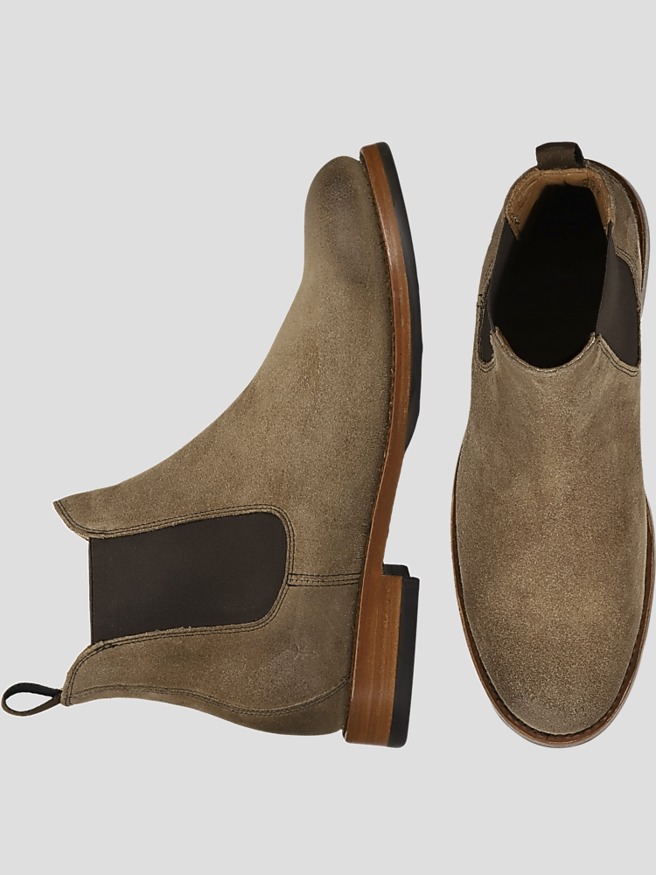
Beyond the lining, the upper, sole, and overall shape determine how lined boots wear and where they fit into a wardrobe. Full-grain leather can develop character with use and generally rewards consistent care, while suede brings a matte texture that works naturally with denim, corduroy, and brushed cotton trousers. Neither material should be assumed waterproof without a stated protective construction or treatment. For wet sidewalks and slushy crossings, a waterproof membrane, sealed seams, and a gusseted tongue can help limit water entry, although water can still come in over the top. Rubber outsoles provide a useful foundation for everyday wear, with tread depth and spacing affecting how they interact with loose ground, mud, and pavement. Deep lugs can be helpful on uneven terrain, while a lower-profile tread often looks more at home with tailored casual clothing. No ordinary outsole guarantees secure footing on ice, and a rugged appearance alone does not establish suitability for demanding outdoor conditions. A rounded toe and substantial sole give lined boots an easygoing presence beneath straight-leg jeans or heavier chinos. A more tapered shape, restrained stitching, and a less bulky shaft can work with wool trousers and an unstructured jacket. For outfits that call for a cleaner silhouette, Men's Sleek Boots offer another direction to consider alongside the comfort priorities of lined footwear. Lace-up designs allow tension to be adjusted across the instep and ankle, which can be useful when switching sock weights. Pull-on shapes simplify getting out the door, but their fit depends more heavily on the relationship between the opening, instep, and heel. Shaft height also influences the feel: ankle-height boots allow easy movement, while taller designs offer more coverage against drafts and splashes. For a commute followed by hours indoors, moderate insulation may be more comfortable than a heavily padded interior. Extended time outside calls for closer attention to insulation specifications, moisture protection, and room for appropriate socks.
A comfortable fit leaves enough space for toes to move without allowing the foot to slide forward with every step. Lining takes up interior volume, so the size that works in an unlined shoe may not feel the same in a thickly lined boot. Trying boots with the socks intended for regular wear gives a more useful sense of fit than relying on size alone. The heel should feel held without pinching, the instep should not be compressed, and the toes should stay clear of the front when walking down a slope or stairs. Some plush linings settle with wear, but a painfully tight boot is not a sound choice for breaking in; excessive compression also reduces the air space that helps insulation perform. Removable footbeds can make drying easier and may accommodate an orthotic, provided the replacement does not crowd the foot. Durability depends on more than thick leather: secure stitching, reinforced stress points, a firmly attached outsole, and a lining that stays smooth all contribute to lasting comfort. Care is equally important, particularly when moisture and sidewalk salt are involved. Loose dirt is best removed before it works into seams, and salt residue should be addressed promptly with a method suited to the upper material. Leather typically benefits from occasional conditioning, while suede needs a suitable brush and material-specific cleaning products. Interiors should be allowed to dry thoroughly at room temperature, away from radiators and other concentrated heat that can stiffen leather or affect adhesives. Removing footbeds when permitted by the care instructions helps trapped moisture escape, and alternating footwear gives damp linings more time to air out. These habits also help preserve the comfortable feel that makes lined boots appealing in the first place. As a gift for a father, partner, brother, or friend, lined boots are most thoughtful when matched to familiar preferences: the easy pull-on shape worn for weekend errands, the adjustable lace-up fit favored for long walks, or the understated leather finish that pairs with everyday trousers. The lasting appeal comes from that combination of comfort, useful protection, and a shape that feels natural in daily life.