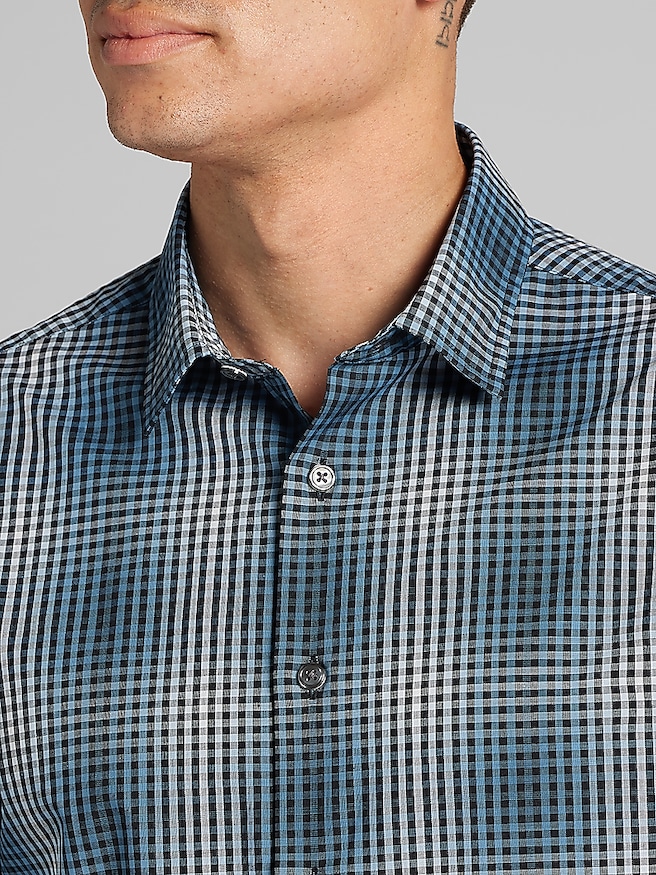
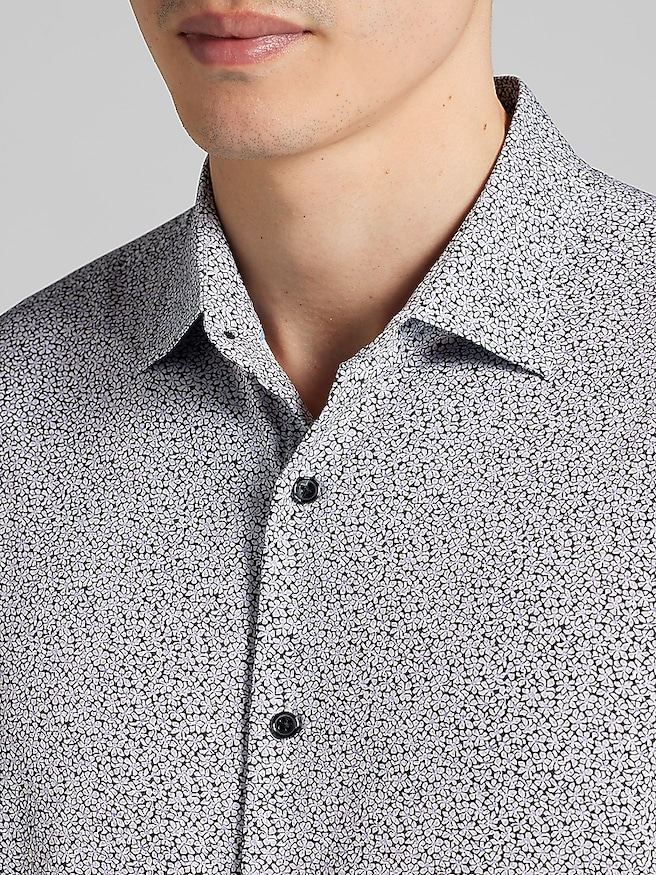
Men's lightweight work shirts combine a professional appearance with easy movement, breathable construction, and enough durability for repeated wear. For office days, customer-facing roles, business travel, and work that alternates between sitting and standing, the right shirt should feel comfortable without looking thin or unfinished. Fabric weight is only one part of that balance. Fiber content, weave, fit, and finishing all influence how a shirt feels against the skin and how neatly it holds its shape. Cotton offers a familiar, soft feel and absorbs moisture, while cotton blends can introduce stretch, quicker drying, or easier care, depending on their composition. Linen has a distinctive texture and natural breathability, though its relaxed creasing may suit a less formal workplace better than a setting that calls for a crisp, pressed appearance. Synthetic performance fabrics may offer moisture management and freedom of movement, but those qualities should be confirmed in the fabric description rather than assumed from a lightweight label. Poplin and broadcloth often have a smooth surface that works well under a jacket, while a fine Oxford weave adds subtle texture without necessarily feeling substantial. Actual fabric weight varies within each weave, so texture alone does not tell the whole story. Within the broader category of Men's Lightweight Shirts, work-focused designs benefit from dependable coverage, a collar that sits neatly, and seams that stay comfortable through a full day. A lighter fabric should still provide an appropriate level of opacity, particularly across the chest and back where movement can pull the material taut. Breathability and stretch serve distinct purposes: breathability allows air and moisture vapor to pass through the fabric, while stretch helps the shirt move with the body. Neither replaces a well-proportioned fit. For someone moving from a morning meeting to an afternoon of presentations, a shirt that combines those qualities can remain comfortable without losing the tidy appearance expected in a professional setting.
Fit determines whether a lightweight work shirt feels easy or distracting after several hours of wear. Shoulder seams should generally sit near the natural shoulder edge, with enough room across the upper back to reach forward without pulling the front placket open. A comfortable chest fit leaves space to move while keeping excess fabric from gathering beneath a jacket. Slim, tailored, and classic fit labels can help narrow the choice, but their proportions vary, making neck, chest, sleeve, and body measurements more useful than the name alone. A collar worn with a tie should fasten comfortably without pressing into the neck; worn open, it should frame the neckline rather than collapse outward. Long sleeves should allow the elbows to bend freely, with cuffs that sit near the wrist and do not slide far over the hand. Stretch can improve mobility during a commute or a day spent reaching across a worktable, but it cannot fully compensate for a shirt that is too narrow through the shoulders. Length matters just as much. A shirt intended to stay tucked needs enough fabric below the waistband to remain secure when the wearer sits, reaches, or bends. A design intended for untucked wear generally looks more balanced with a shorter hem that does not overwhelm the trousers. Workplace expectations also shape the details. A smooth long-sleeve shirt with a structured collar pairs naturally with dress pants and a tie, while an open collar or short sleeves may fit a more relaxed office dress code. White, pale blue, and restrained stripes are straightforward choices for coordinating with navy, charcoal, and tan trousers. Small checks or a subtle woven texture can add interest without dominating the outfit. Under a blazer, a clean front and limited extra fabric help prevent bunching at the waist and upper arms. On its own, the same shirt relies more visibly on balanced proportions, a neat hem, and a collar that keeps its shape.
Durability in a lightweight shirt comes from thoughtful construction and appropriate care, not simply from a heavier feel. Even stitching, secure buttons, neatly finished seams, and reinforcement at stress points can help a shirt withstand the repeated movement and laundering that workwear receives. The areas around the cuffs, collar, underarms, and front buttons deserve particular attention because they experience regular friction and handling. Lightweight fabric can be suitable for everyday professional use, but it should not be confused with protective workwear. Tasks involving sparks, chemicals, abrasion, or other occupational hazards require clothing that meets the relevant workplace safety requirements. For ordinary office and business-casual use, care instructions provide a practical way to judge whether a shirt fits the wearer's routine. Some fabrics tolerate machine washing and require little pressing; others need more deliberate drying or ironing to maintain a smooth finish. Wrinkle-resistant does not mean wrinkle-proof, and easy-care treatments do not eliminate the need to follow the care label. Avoiding overloading the washer, using the recommended cycle, and removing a shirt promptly after drying can help limit deep creases. Excessive drying heat can affect some fibers, finishes, and stretch components, so the garment's instructions should take priority over a standard laundry habit. Hanging shirts with room around the shoulders helps preserve their shape between wears, while treating collar or cuff marks promptly can keep routine buildup from becoming harder to remove. For frequent travelers, drying time and wrinkle recovery may matter as much as softness; for someone at a desk, comfortable seams and freedom across the back may take priority. As a gift for a graduate starting a first office role or someone building a professional wardrobe, a lightweight work shirt is most useful when its measurements, dress-code compatibility, and care needs match the recipient's habits. The strongest choice is a shirt that feels comfortable through ordinary tasks, coordinates easily with existing clothing, and remains presentable with care the wearer can realistically maintain.