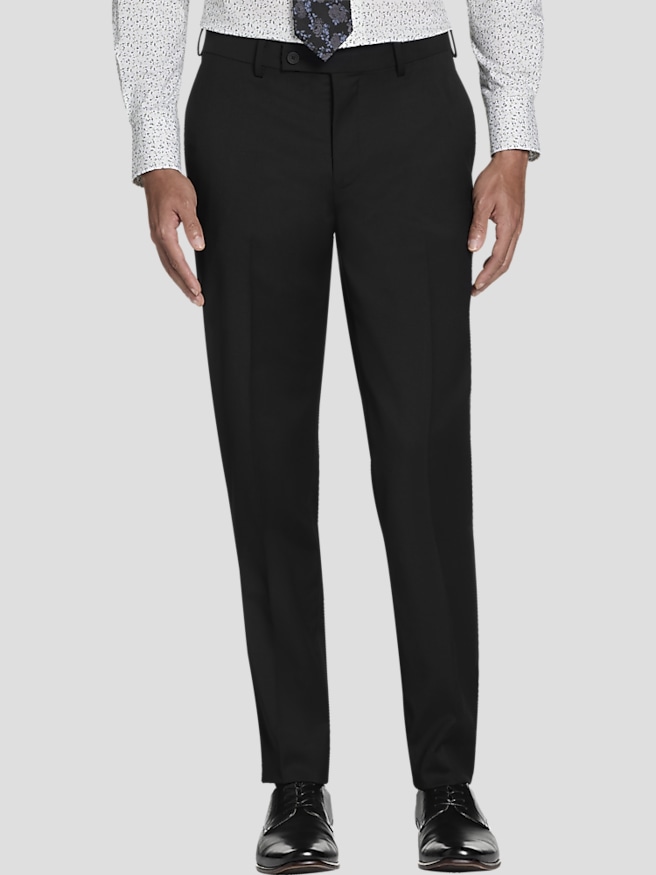
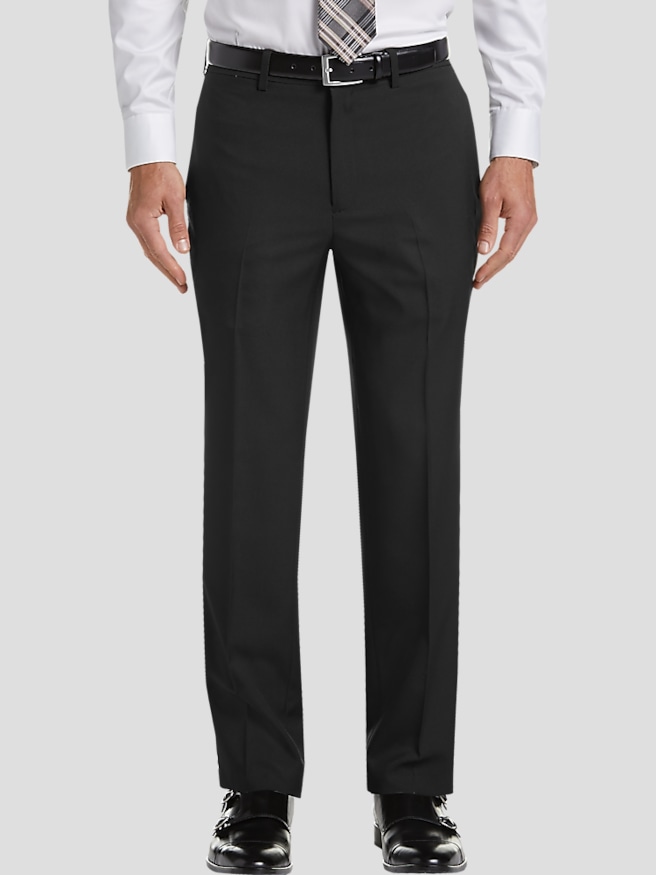
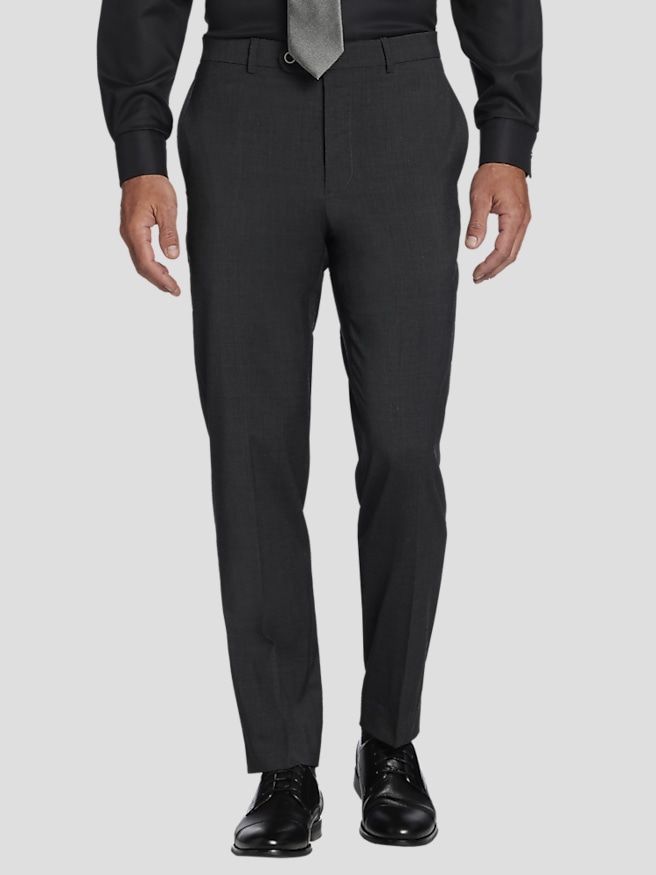
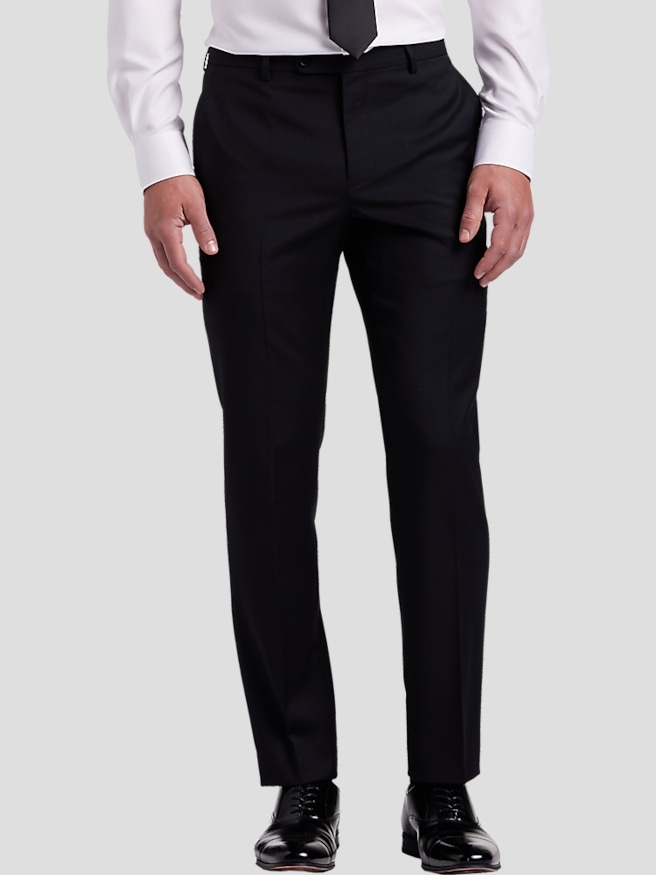
Men’s lightweight wool dress pants combine the clean lines of tailored trousers with fabric that feels less substantial than heavier wool cloth. Their appeal lies in the balance: enough structure to hold a crease and fall neatly over dress shoes, without a bulky feel through the seat and legs. Lightweight wool describes fabric weight rather than a single fiber grade or construction. Tropical wool typically uses a relatively open weave that encourages airflow, while high-twist wool uses tightly twisted yarns that can give the cloth a dry, crisp hand and help it recover from creasing. Merino refers to the source of the wool, not its weight; depending on yarn and weave, it can produce a fine, smooth fabric suited to dress trousers. These distinctions matter during a full day of sitting, walking, and standing, whether that means commuting to an office, presenting to clients, or attending a wedding reception. Wool fibers have natural elasticity that helps fabric recover its shape, though no wool trouser is completely wrinkle-proof. Wool also absorbs moisture vapor, which can contribute to comfort, while the openness of the weave, lining, and overall fit influence how breathable the finished pants feel. Pure wool offers a distinctive drape and texture; wool blends may incorporate fibers chosen for resilience, softness, or stretch. A small amount of elastane can add give, but stretch content alone does not determine whether a pair will be comfortable. Construction and cut remain just as important. Lightweight cloth can still look substantial and polished when the weave and tailoring support it. A smooth finish reads more formal, while a subtle texture lends depth to an outfit without demanding a pattern. For someone who regularly wears dress shirts and sport coats, these trousers can serve as a dependable foundation rather than a piece reserved for special occasions.
Fit gives lightweight wool dress pants their shape, and a clean silhouette depends on more than the size printed inside the waistband. The waist should sit securely without relying on a tightly cinched belt, with enough room to sit comfortably through a meeting or a long dinner. A waistband that folds or pulls, pockets that flare outward, and horizontal tension lines across the front can indicate that the cut is too close. Through the seat and thighs, the cloth should fall smoothly instead of clinging or collecting in loose folds. Slim fits generally follow the leg more closely, while classic fits offer more room; neither should restrict a normal stride. A tapered leg can create a narrow finish at the ankle without requiring an equally narrow thigh. Rise also affects both comfort and proportion. A higher rise can meet a tucked shirt neatly and work well beneath a tailored jacket, while a lower rise sits farther down the torso and changes how the shirt and waistband meet. Flat-front trousers create an uninterrupted line across the front. Pleated styles introduce folds that can provide room through the upper leg, although their effect depends on how the pants are cut and how the pleats lie when standing. The hem deserves equal attention because lightweight fabric can bunch visibly over a shoe when there is too much length. A slight break creates a small fold where the hem meets the shoe, while a no-break finish leaves a cleaner, shorter line. Cuffs add some weight at the hem and can complement pleated trousers, but they are a styling choice rather than a requirement. Thoughtful alterations to the waist or hem can refine an otherwise suitable fit. Trying trousers with the dress shoes and shirt intended for them gives a more useful picture of the finished outfit than judging the pants on their own. Sitting down and taking a few steps also reveals comfort issues that a standing mirror check may miss.
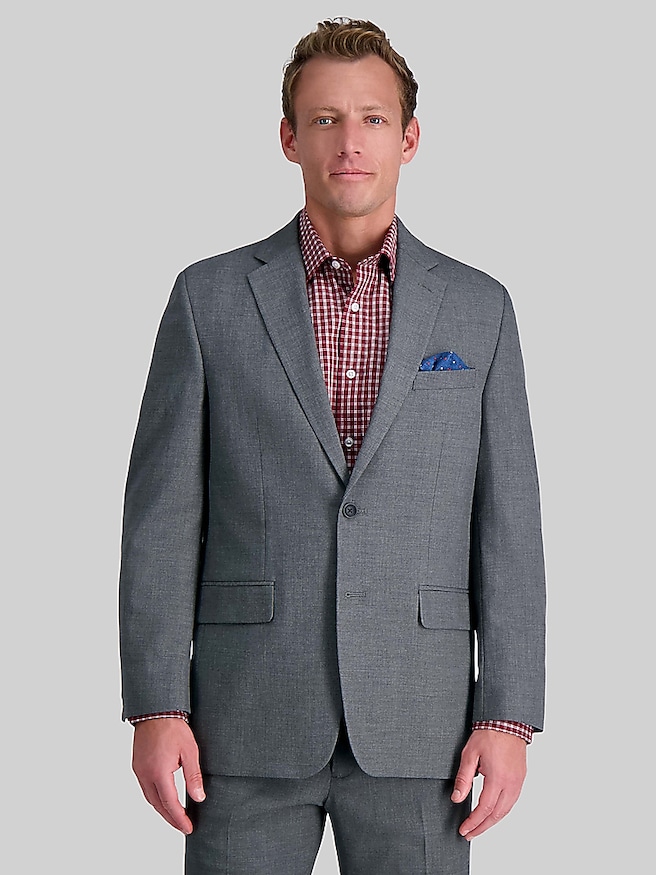
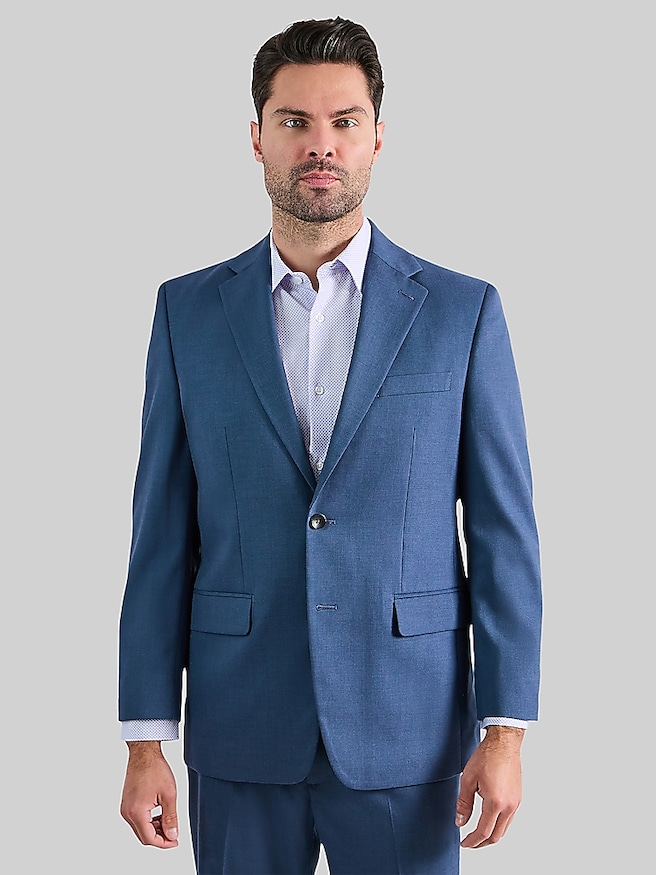
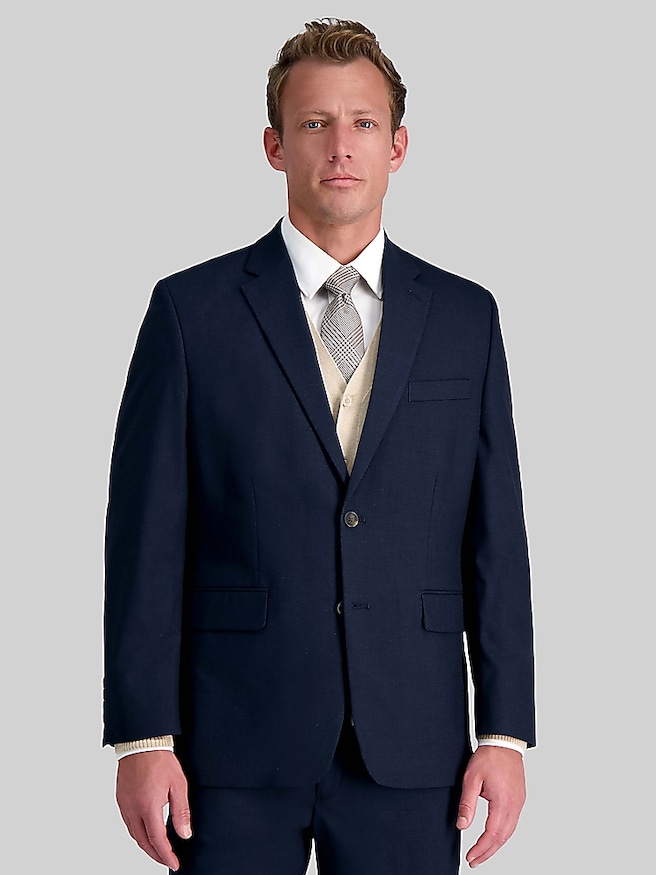
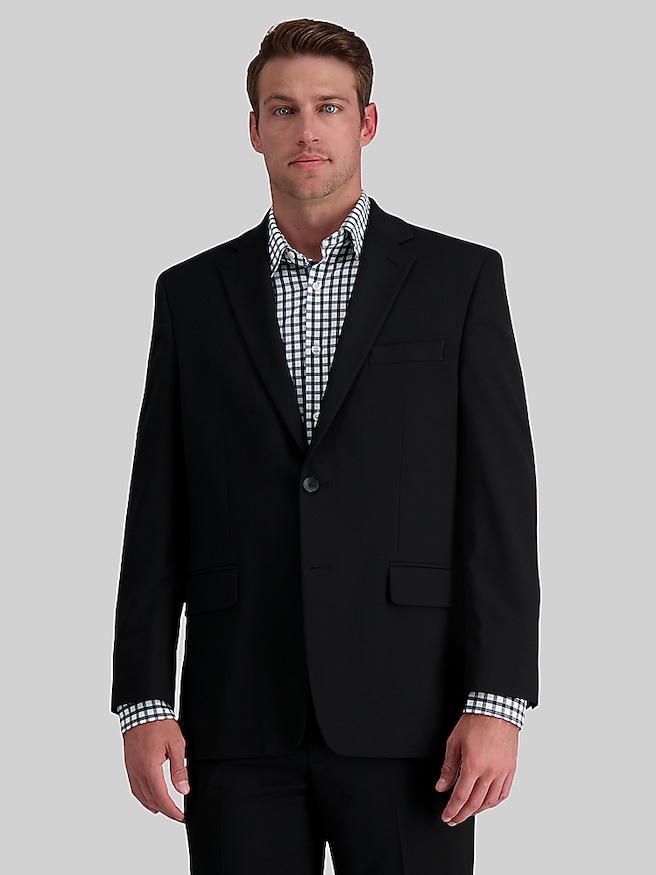
The versatility of lightweight wool trousers comes through in everyday combinations. Charcoal with a pale blue dress shirt creates a restrained office outfit, while navy pairs naturally with a white shirt and brown leather shoes. Mid-gray can provide contrast beneath a navy sport coat, allowing the jacket and pants to look intentionally separate rather than almost matched. For a less formal workplace or dinner, a fine-gauge sweater or knitted polo can soften the effect while preserving the trousers’ tailored shape. A tie, structured jacket, and polished lace-ups move the same general category toward business presentations and dressier celebrations, subject to the occasion’s dress code. Lightweight dress pants are not automatically a substitute for a matching suit when an invitation calls for one. They can, however, be a useful gift for a graduate building a professional wardrobe, a partner who attends frequent work events, or someone whose daily routine calls for polished clothing. Knowing the recipient’s waist size, preferred rise, and usual cut helps make that choice more personal. For a wardrobe that also needs more substantial cloth, Men's Winter Wool Dress Pants offers a related category to consider. Across fabric weights, longevity depends on appropriate care and a fit that does not place constant strain on seams. Lightweight does not necessarily mean fragile, but weave density, yarn quality, and friction at the seat and inner thighs affect how fabric wears. Following the sewn-in care label is essential: some wool blends are designed for machine washing, while many tailored wool trousers require professional cleaning. Airing pants between wears and brushing away surface dust can help keep them fresh without unnecessary cleaning. Hanging them neatly along the crease reduces avoidable folds, and giving them space in the closet helps preserve their drape. For wrinkles, gentle steaming may be suitable when permitted by the care instructions; excessive heat or direct pressing can leave shine on wool. Blotting a spill rather than rubbing it helps avoid working residue deeper into the cloth. With considered care, a comfortable cut, and fabric suited to the wearer’s routine, lightweight wool dress pants offer lasting usefulness across professional and social settings.